
What Happens at a U.S. Consular Visa Interview?

What Happens at a U.S. Consular Visa Interview?
Introduction
A U.S. consular visa interview is an important step in many visa applications. During the interview, a consular officer reviews the applicant’s eligibility, verifies information provided in the application, and determines whether the visa requirements have been met. Knowing what to expect can help applicants feel more prepared and confident on the day of their appointment.
What to Expect During the Interview
Before the interview, applicants are typically required to complete the necessary application forms, pay any applicable fees, and gather supporting documents. Depending on the type of visa, additional requirements such as a medical examination or biometrics appointment may also apply. Arriving on time with organized documents can help the appointment proceed more smoothly.
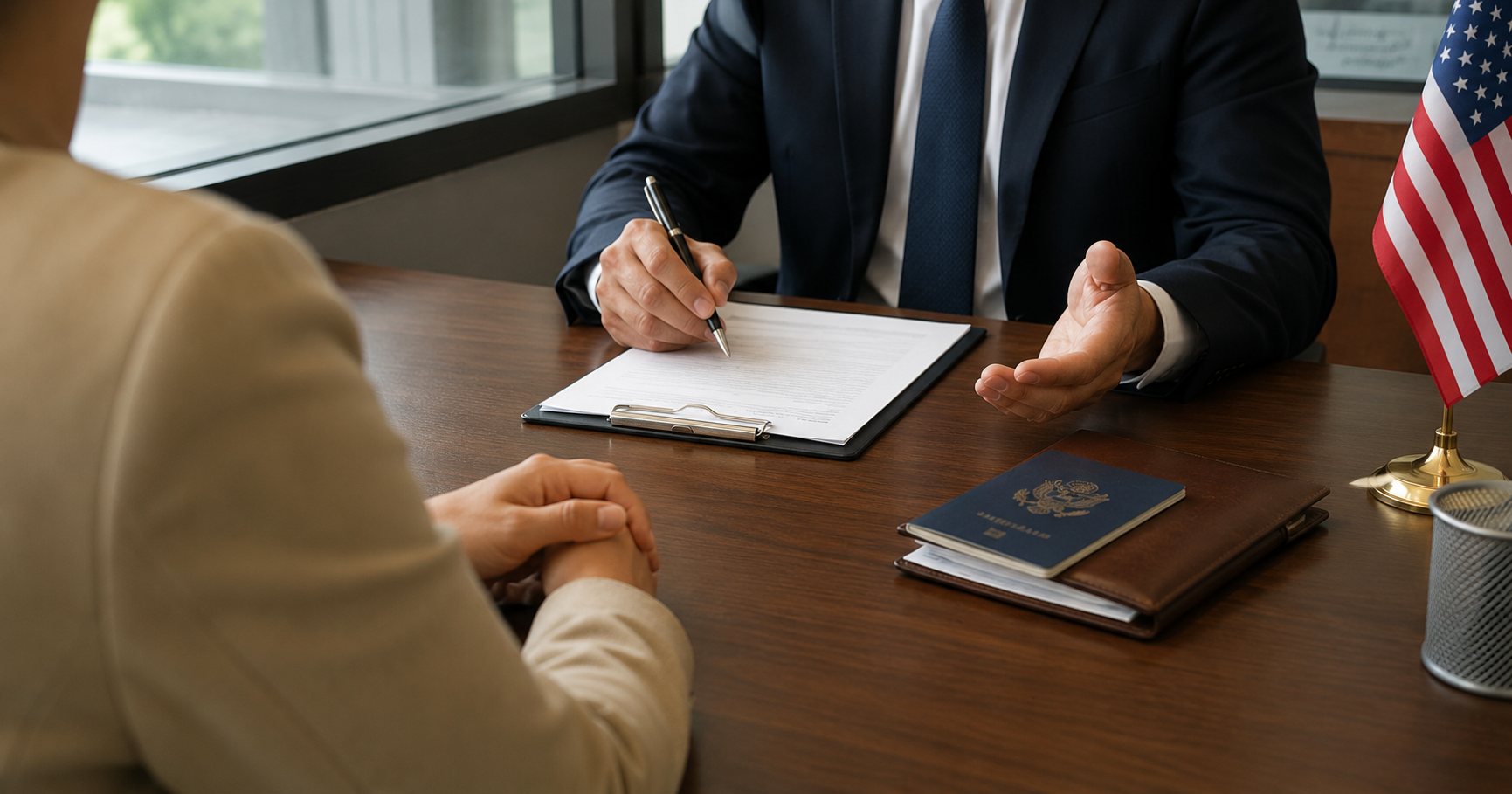
During the interview, the consular officer will ask questions about the applicant’s background, travel plans, employment, education, family relationships, or other information relevant to the visa category. The officer may also review passports, financial records, invitation letters, or other supporting evidence. Questions are generally intended to confirm that the information in the application is accurate and that the applicant qualifies under U.S. immigration law.
Applicants should answer each question honestly and clearly. If additional information is needed, the officer may request further documentation before making a final decision.
Possible Outcomes After the Interview
At the end of the interview, the consular officer may approve the visa, deny the application, or determine that additional processing or documentation is required before a final decision can be made. In some cases, applicants may receive instructions explaining what additional steps are necessary. Processing times can vary depending on the visa category and the specific circumstances of the case.
If a visa is approved, the passport is generally retained temporarily so the visa can be placed inside before it is returned to the applicant. If additional administrative processing is required, applicants may need to wait until the review is completed. A denial does not always mean that a person is permanently ineligible for a visa, as the available options depend on the reason for the decision and the applicable immigration laws.
Carefully reviewing application materials before the interview and ensuring that all information is complete and consistent can help reduce unnecessary delays. If an applicant has a complicated immigration history or unusual circumstances, professional legal guidance may be beneficial before attending the interview.
Conclusion
A U.S. consular visa interview is designed to help immigration officials determine whether an applicant meets the requirements for the requested visa. Understanding the interview process, preparing supporting documents, and providing truthful, accurate information can help applicants approach the appointment with greater confidence. This article is provided for general informational purposes only and is not legal advice. If you have questions about your individual immigration situation, consult a qualified immigration attorney for advice tailored to your specific circumstances.