
How to Avoid Delays With H-1B Visas

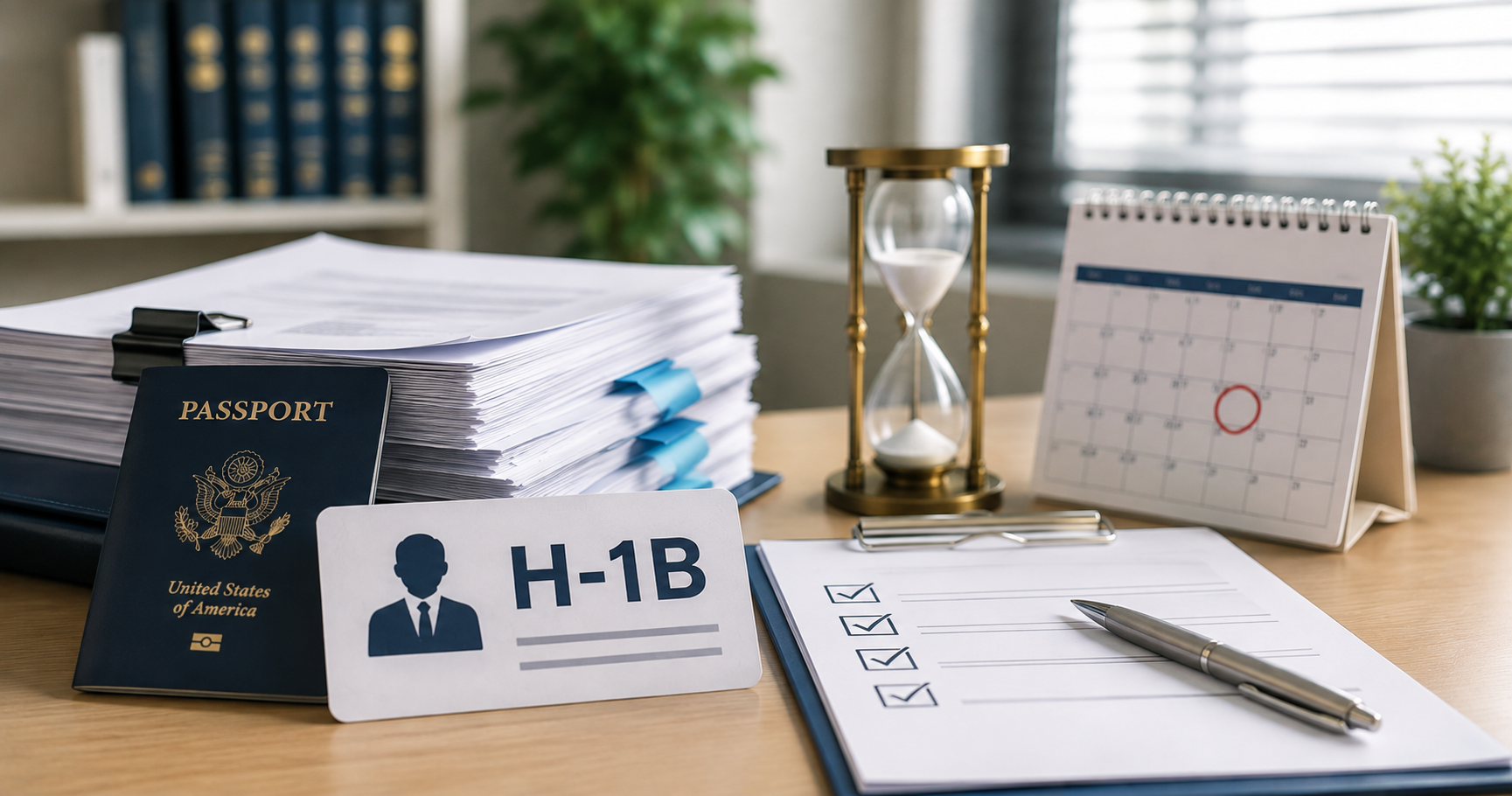
Employment Immigration: How to Avoid Delays With H-1B Visas
The H-1B visa process involves multiple steps, documents, and deadlines. While some delays are outside an applicant’s control, careful preparation can help reduce avoidable problems. Employers and prospective H-1B workers can improve the process by ensuring that the petition is accurate, complete, and supported by appropriate evidence from the beginning.
Prepare Accurate and Complete Documentation
One of the most important ways to avoid unnecessary delays is to review the petition and supporting documents carefully before filing. Information about the employer, position, job duties, salary, work location, and employee’s qualifications should be consistent throughout the filing. Missing documents or conflicting information can lead to additional questions or requests for evidence.
The employee’s educational and professional background should also be documented clearly. Degree records, transcripts, credential evaluations when appropriate, and evidence of relevant experience may help establish that the worker meets the requirements for the proposed position. Employers should also provide a clear explanation of the position and why it qualifies for H-1B classification.
Pay Attention to Deadlines and Changes
Timing is another important consideration. Employers should monitor applicable filing periods, expiration dates, and other deadlines associated with the H-1B process. Waiting until the last moment to gather documents or identify potential issues can make it more difficult to address problems before a filing deadline.
Changes after filing can also affect an H-1B case. A change in employer, work location, job duties, or other significant employment terms may require additional immigration action. Employers and workers should not assume that an existing H-1B approval automatically covers every future change. Addressing potential changes promptly may help prevent employment or status complications.
Conclusion
Avoiding H-1B delays starts with careful preparation, accurate documentation, and attention to deadlines and employment changes. Although applicants cannot control every aspect of USCIS processing, a well-prepared filing can help reduce preventable issues. This article provides general information and is not legal advice. Because H-1B requirements can vary based on individual circumstances, employers and prospective workers should consult a qualified U.S. immigration attorney for guidance specific to their situation.