
What Happens After Filing H-1B Visas?

Employment Immigration: What Happens After Filing H-1B Visas?
Filing an H-1B petition is an important step, but it does not necessarily mean the immigration process is complete. After filing, U.S. Citizenship and Immigration Services (USCIS) reviews the petition and determines whether the employer and prospective employee have established eligibility. Understanding what may happen after filing can help employers and workers prepare for the next stage.
USCIS Review and Possible Requests
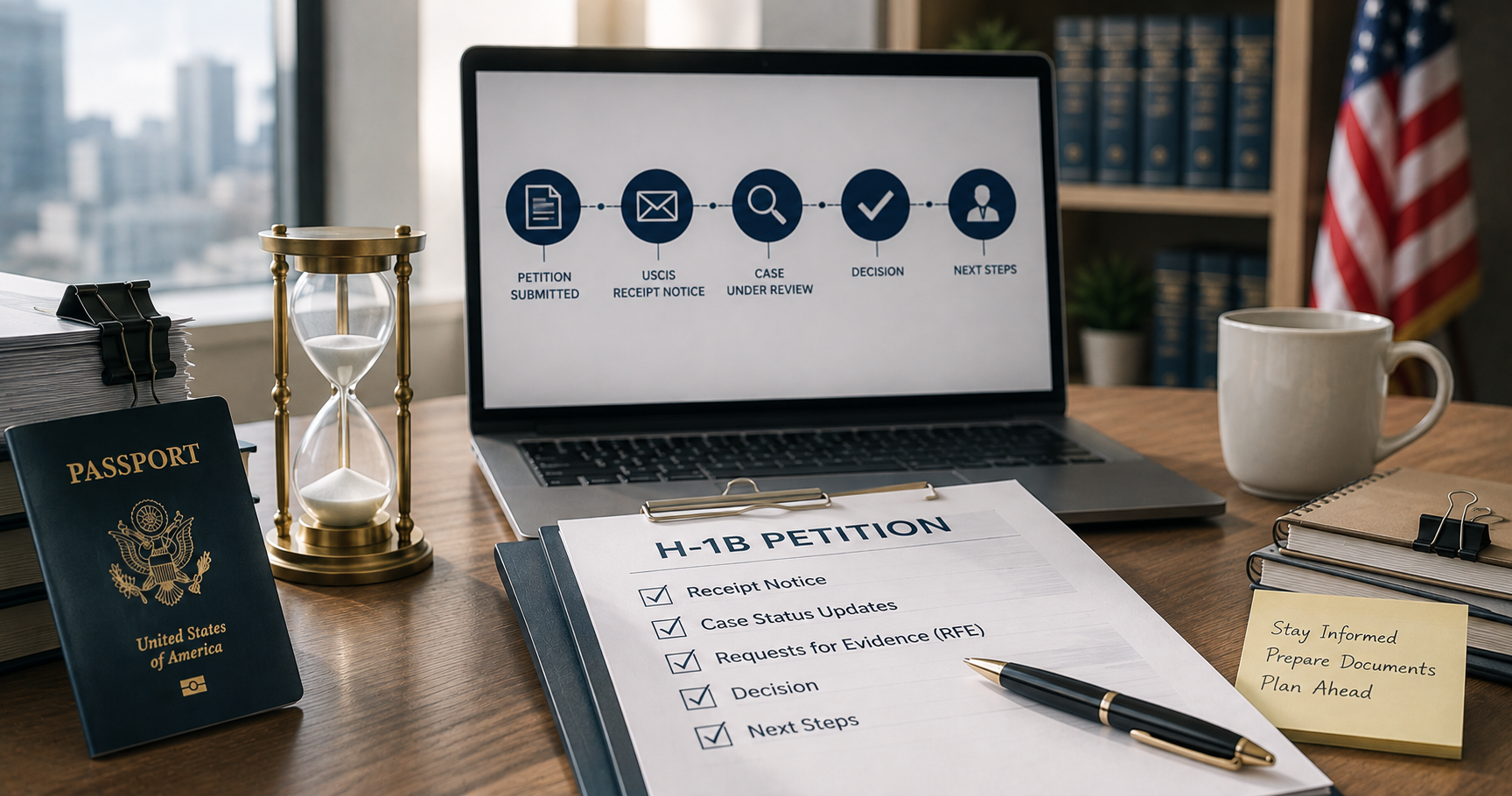
After USCIS receives an H-1B petition, it generally issues a receipt notice confirming that the filing has been received. The case then enters the adjudication process. The timing can vary depending on the type of petition, processing service, and other circumstances.
During review, USCIS may approve the petition, deny it, or issue a Request for Evidence (RFE). An RFE means USCIS is seeking additional information or documentation before making a decision. The employer must respond within the applicable deadline. A carefully prepared response should directly address the issues raised and include relevant supporting evidence.
For eligible cases, premium processing may be available for an additional fee. Premium processing provides an expedited adjudication time frame, but it does not guarantee that USCIS will approve the petition.
What Happens After Approval?
If the petition is approved for an individual outside the United States, additional steps may be necessary before the worker can seek admission in H-1B classification. Depending on the circumstances, this may include applying for an H-1B visa at a U.S. consulate and presenting appropriate documentation when seeking entry.
For an individual already in the United States, the petition may request an extension of H-1B status, a change of status, or another immigration benefit. The consequences of approval depend on what was requested in the petition and the worker’s existing immigration status.
An H-1B approval also does not mean that every future employment change is automatically covered. Changes involving an employer, work location, job duties, or other significant employment terms may require additional immigration action.
Conclusion
The steps following an H-1B filing can vary depending on whether the case is subject to the annual cap, the worker’s location and status, USCIS processing, and the type of petition filed. This article provides general information only and is not legal advice. Employers and prospective H-1B workers should consult a qualified U.S. immigration attorney regarding their individual circumstances and the appropriate next steps after filing.