
Citizenship : Can You Travel During Naturalization?

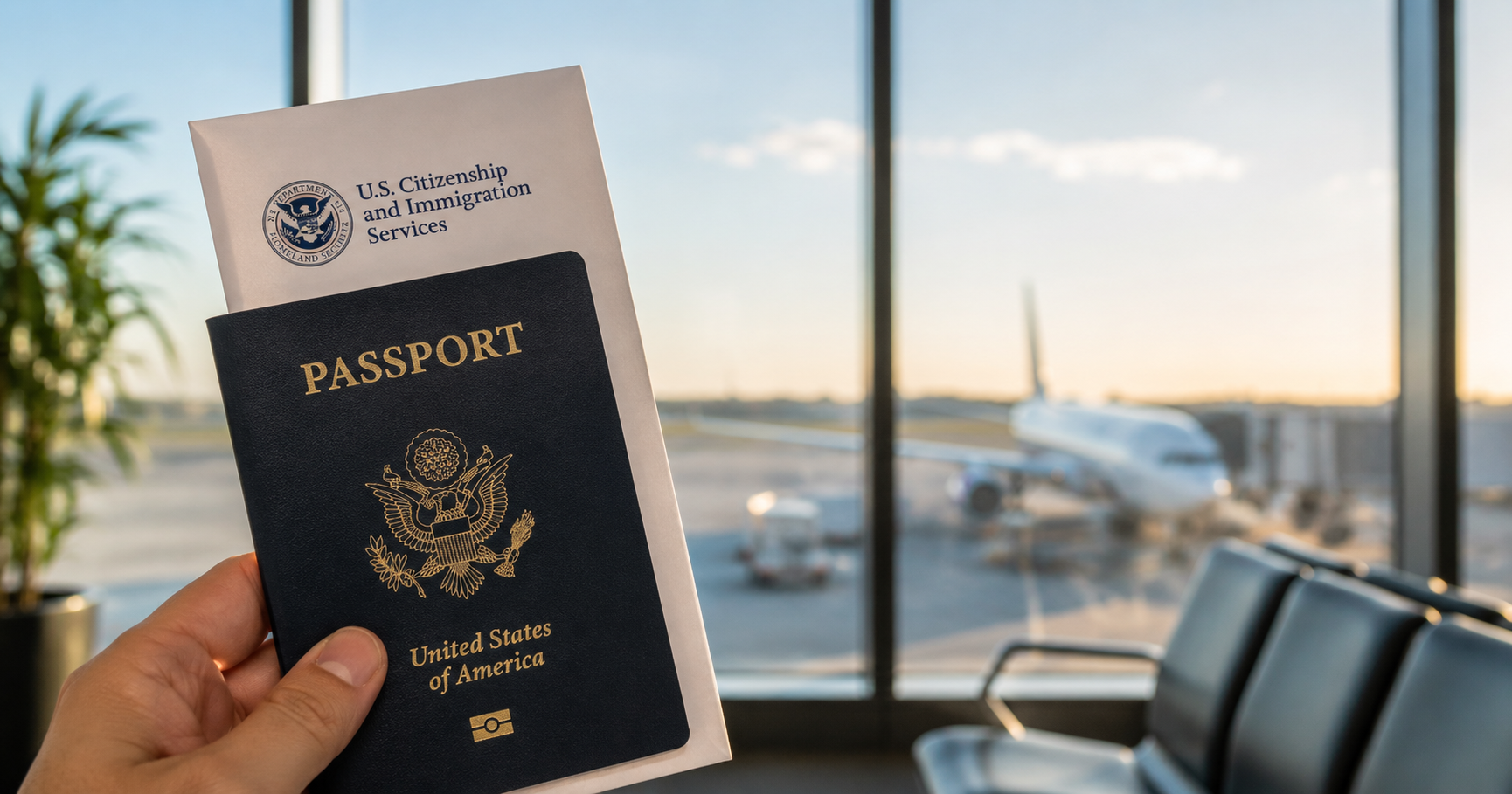
Can You Travel During Naturalization?
Introduction
Applying for U.S. citizenship does not generally mean you must remain in the United States until your naturalization case is complete. Lawful permanent residents may generally travel internationally while a Form N-400 application is pending. However, travel can affect the continuous residence and physical presence requirements for naturalization, particularly when an absence is lengthy or frequent. Applicants should also make sure they can attend required USCIS appointments.
How Travel Can Affect Your Naturalization Application
One of the most important issues is continuous residence. In general, a trip outside the United States lasting less than six months will not automatically break continuous residence, although the overall travel history may still be relevant to the naturalization application. An absence of more than six months but less than one year can create a presumption that continuous residence was interrupted. Applicants may need evidence showing that they continued to maintain their residence in the United States during the absence.
An absence of one year or more can create significantly greater problems for naturalization eligibility because it may interrupt the required period of continuous residence. Travel should therefore be considered not only by the length of each individual trip, but also in the context of the applicant’s entire residence and travel history.
Physical presence is another requirement. Even when a trip does not break continuous residence, time spent outside the United States generally does not count toward the required physical-presence period. Applicants should carefully track their departures and returns and accurately report their travel history on the N-400.
Planning Travel While Your Case Is Pending
Travel can also affect the practical timing of a naturalization case. USCIS may require an applicant to attend a biometrics appointment, naturalization interview, or oath ceremony. USCIS instructs applicants to appear at scheduled appointments and to bring passports and travel documents that document absences from the United States.
Before taking an extended trip, applicants should consider whether the travel could affect their eligibility or interfere with a scheduled appointment. Keeping records of travel dates and maintaining evidence of continued U.S. residence can also be important, particularly after a lengthy absence.
Conclusion
Travel during the naturalization process may be possible, but the length and frequency of international trips can matter. Because the effect of travel depends on an applicant’s individual circumstances and immigration history, prospective applicants should consult a qualified immigration attorney before taking an extended trip or if they have significant international travel during the naturalization process. This article provides general information and is not a substitute for individualized legal advice.