
Citizenship : What Happens After Filing Form N-400?

Citizenship: What Happens After Filing Form N-400?
Introduction
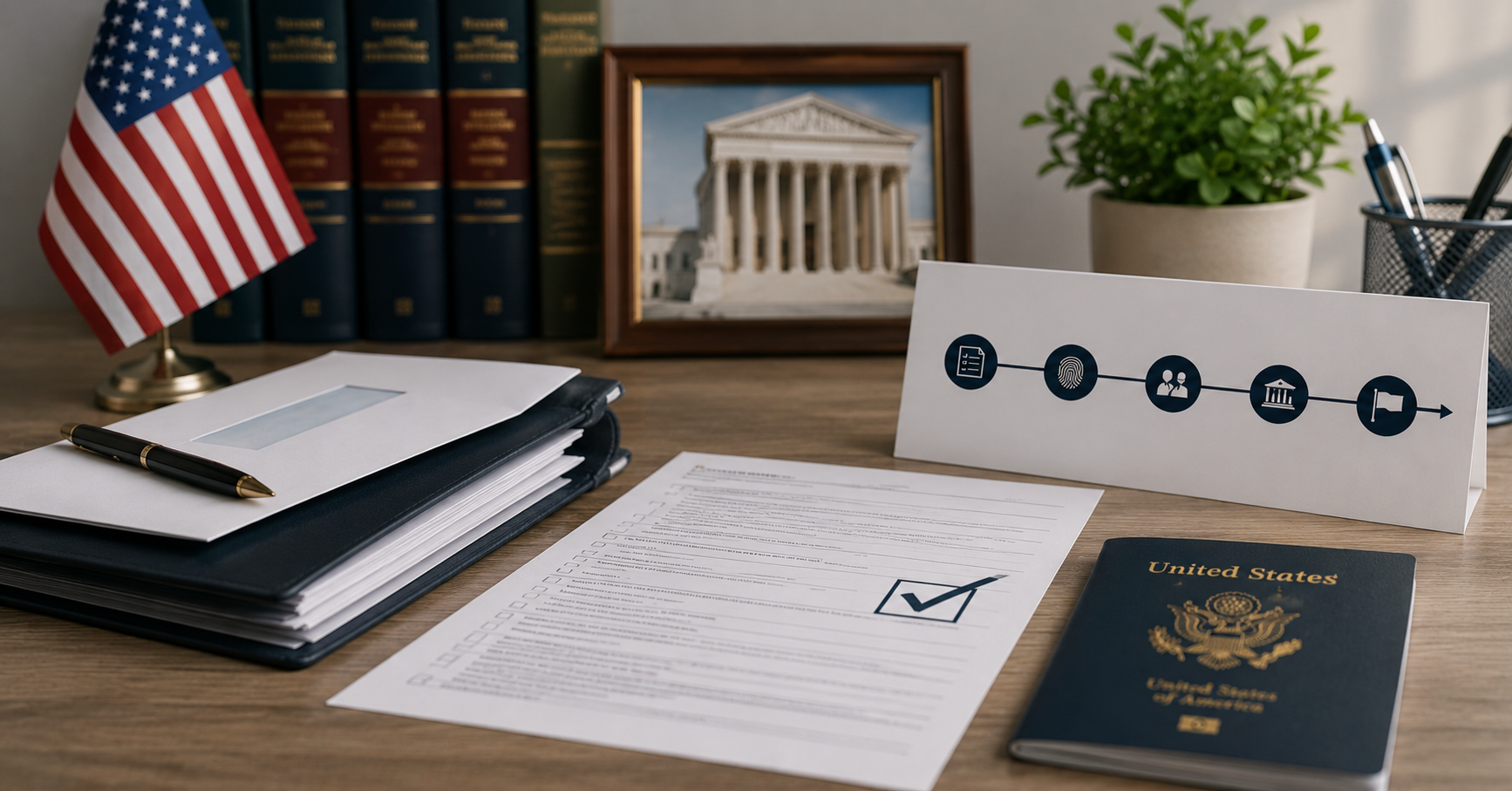
Filing Form N-400, Application for Naturalization, is an important step toward U.S. citizenship, but it is only the beginning of the naturalization process. After USCIS receives the application, applicants may go through several stages, including biometrics, a naturalization interview, testing, and, if approved, the Oath of Allegiance. The exact process and timing can vary from case to case.
What Happens After USCIS Receives the Application?
After filing, USCIS reviews the application and sends a receipt notice confirming that the case has been received. Applicants should keep this notice and use the receipt information to monitor their case. USCIS may require biometrics, such as fingerprints, a photograph, and a signature, to verify identity and conduct required background and security checks.
Applicants should pay close attention to USCIS notices and attend any required appointments. Missing a scheduled appointment can delay a case and, in some circumstances, may affect the application. Applicants should also keep USCIS informed of relevant changes, including a change of address, so important notices are not missed.
Interview, Decision, and Oath Ceremony
The naturalization interview is a key part of the process. During the interview, a USCIS officer reviews the N-400 and asks questions about the applicant’s application and background. Unless an applicable exemption or waiver applies, the applicant also takes the English and civics tests. USCIS may approve the application, deny it, or continue the case if additional action is necessary.
If the application is approved, the applicant must complete the Oath of Allegiance at a naturalization ceremony. USCIS explains that an applicant does not become a U.S. citizen until taking the oath. At the ceremony, the applicant generally surrenders the Permanent Resident Card and receives a Certificate of Naturalization after completing the required steps.
Conclusion
The period after filing Form N-400 requires careful attention to USCIS notices, appointments, and requests for information. Because every naturalization case can involve different circumstances, this article provides general information and is not legal advice. Individuals who have questions about their application, eligibility, travel history, immigration record, or a USCIS request should consult a qualified immigration attorney for advice specific to their situation.