
Citizenship : How to Prepare a Strong Dual Citizenship Case

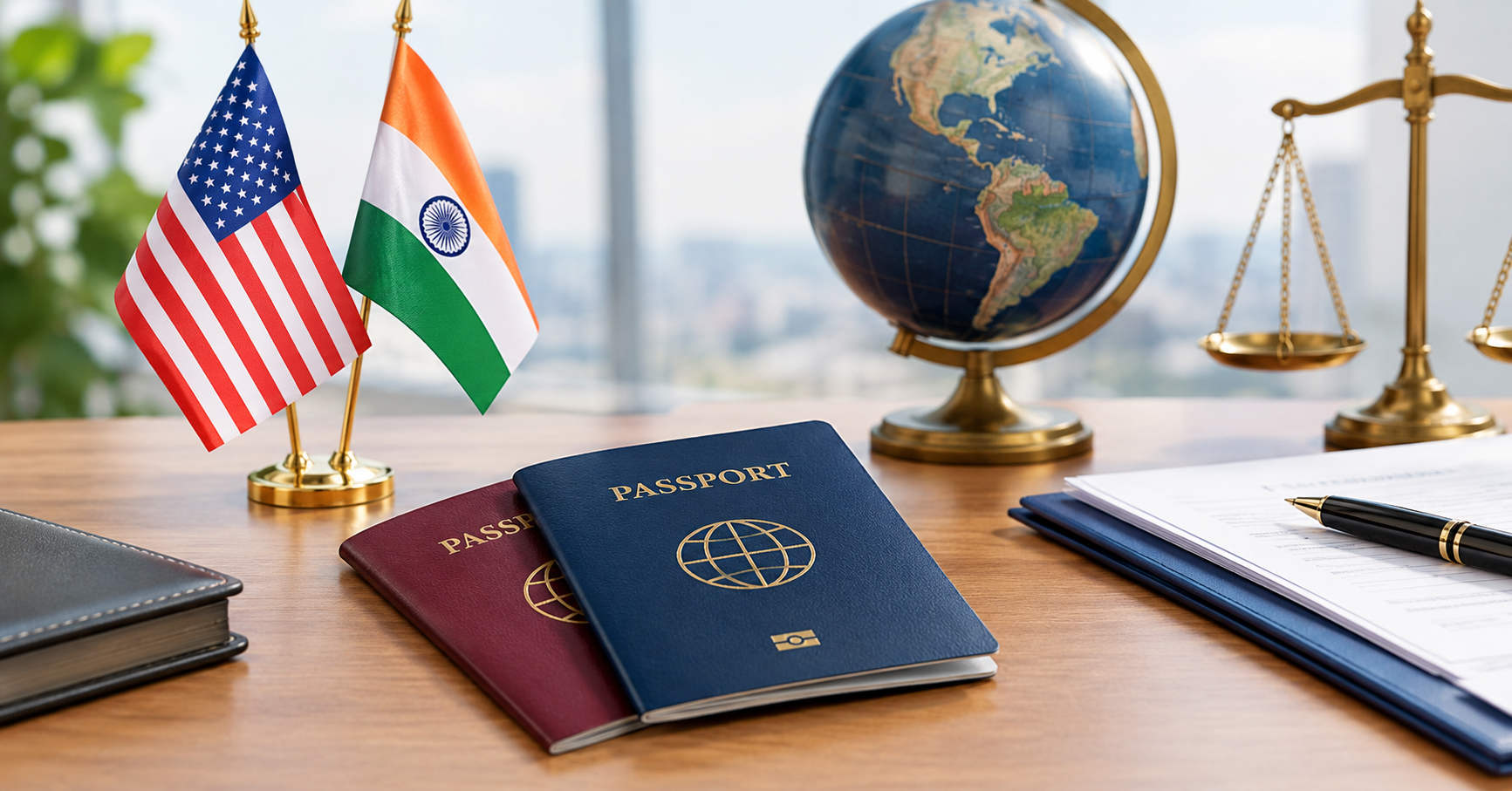
How to Prepare a Strong Dual Citizenship Case
Introduction
Dual citizenship can provide important opportunities, including the ability to maintain connections with more than one country. However, citizenship laws differ from country to country, and obtaining or retaining citizenship in one country may affect citizenship in another. Preparing a strong case therefore requires careful review of the applicable laws, personal history, and supporting documentation.
Understand the Citizenship Requirements
The first step is determining how citizenship was or will be acquired. Depending on the circumstances, citizenship may arise through birth, parents, naturalization, marriage, or another legal basis. Each pathway can have different requirements and documentation.
For U.S. citizenship, applicants should carefully review the applicable eligibility requirements and make sure their information is accurate and consistent throughout the application process. A person who already holds another nationality should also determine whether that country permits dual citizenship and whether acquiring U.S. citizenship could affect their existing status.
It is especially important not to assume that because the United States allows a person to hold another nationality, the other country will automatically recognize the arrangement. Some countries restrict or do not recognize dual citizenship and may impose separate requirements or consequences.
Organize Complete and Consistent Evidence
A well-prepared case should be supported by reliable documents establishing the relevant citizenship history. Depending on the circumstances, this may include birth records, passports, naturalization records, evidence concerning parents or family relationships, and records showing prior immigration or citizenship status.
Consistency is also important. Differences in names, dates of birth, places of birth, or other personal information across documents can create questions that may require clarification. Applicants should review their records carefully and address discrepancies rather than overlooking them.
Because citizenship cases can involve the laws of two countries, the analysis may be more complicated than a standard immigration matter. Changes in citizenship laws can also affect the outcome, making current legal information important when preparing an application or evaluating an existing citizenship status.
Conclusion
Preparing a strong dual citizenship case requires careful attention to eligibility, citizenship history, documentation, and the laws of each country involved. This article provides general information only and is not legal advice. Because the consequences of holding or acquiring multiple citizenships can vary based on individual circumstances, applicants should consult a qualified immigration or citizenship attorney for advice regarding their specific situation.