
USCIS : What Evidence Helps Biometrics Applications?

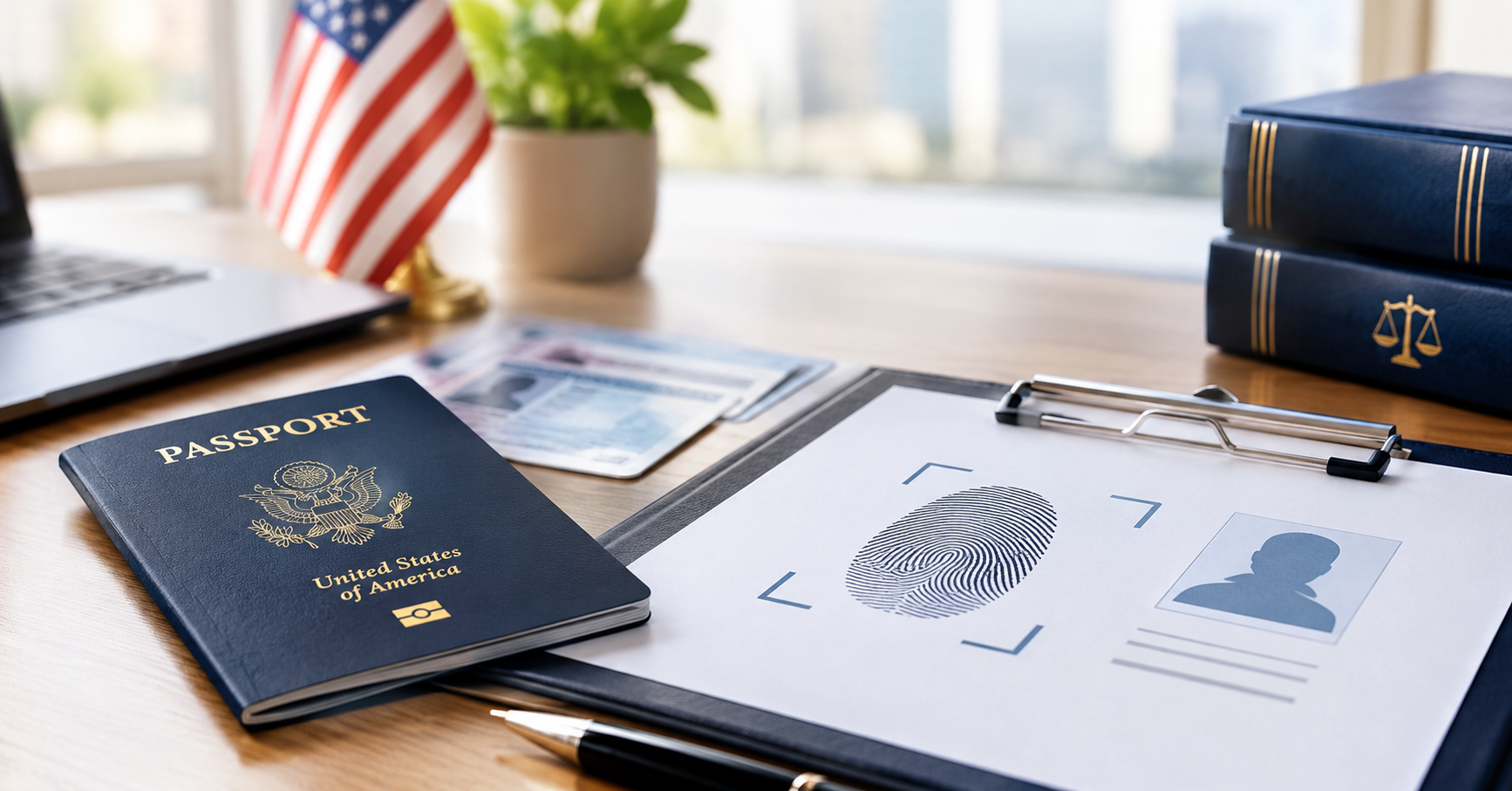
USCIS: What Evidence Helps Biometrics Applications?
Introduction
USCIS may require applicants to provide biometrics, such as fingerprints, photographs, and signatures, as part of the immigration process. Biometrics can help USCIS verify identity and conduct required background and security checks. When attending a biometrics appointment, bringing the correct documentation can help avoid unnecessary problems or delays.
Documents to Bring to a Biometrics Appointment
The most important document is the USCIS biometrics appointment notice. It identifies the date, time, and location of the appointment and provides instructions specific to the applicant. Applicants should review the notice carefully and follow any document requirements listed there.
Applicants should also bring acceptable government-issued identification. For example, USCIS states that naturalization applicants should bring their Permanent Resident Card, appointment notice, and a second photo identification document, such as a driver’s license, passport, or state identification card. Requirements can vary depending on the immigration benefit involved, so applicants should rely on the instructions associated with their particular case.
Additional Evidence and Appointment Issues
In most cases, a biometrics appointment is primarily for collecting biometric information rather than submitting a new package of supporting evidence. Applicants should nevertheless keep copies of important case documents, including the USCIS receipt notice and previously submitted application materials, in case they are relevant to an appointment or later communication with USCIS.
If an applicant cannot attend the scheduled appointment, it is important to address the issue promptly. USCIS provides procedures for requesting a rescheduled appointment, and the agency may consider whether a timely request is supported by good cause. Missing an appointment without taking appropriate action can potentially affect the processing of an immigration benefit.
Conclusion
Preparing the correct identification and appointment documentation can make the biometrics process more straightforward. Because document requirements and the consequences of missed appointments may depend on the specific immigration application, this article provides general information only and is not legal advice. Individuals with questions about their particular circumstances should consider consulting a qualified immigration attorney for guidance.