
USCIS : What Happens After Filing Biometrics?

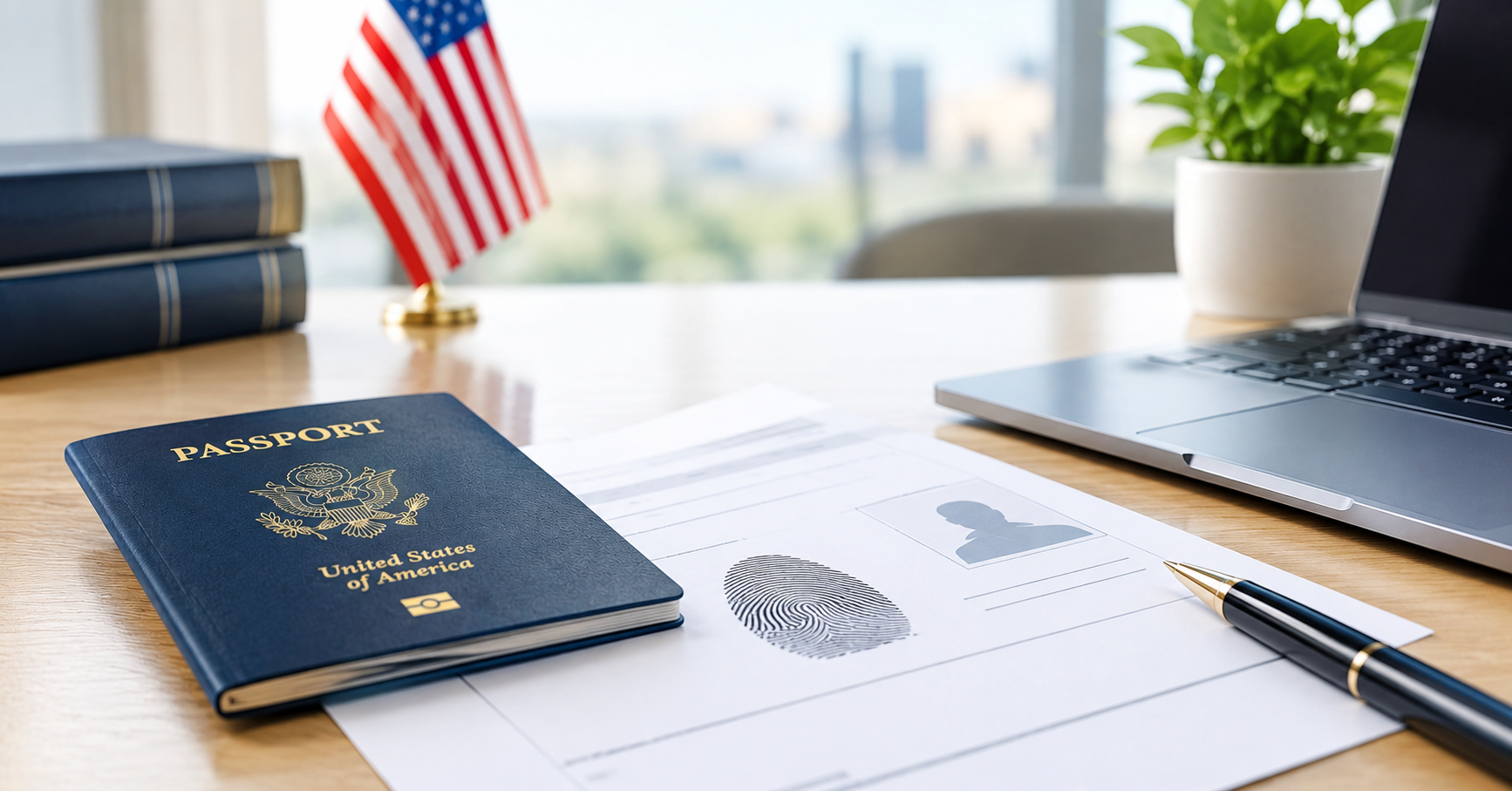
USCIS: What Happens After Filing Biometrics?
Introduction
After submitting an immigration application, many applicants are scheduled for a biometrics appointment with U.S. Citizenship and Immigration Services (USCIS). Biometrics generally include fingerprints, a photograph, and a signature. Completing this step does not mean the application has been approved. Instead, it allows USCIS to continue identity verification and required background and security checks.
Background and Security Checks
After biometrics are collected, USCIS may use the information to conduct background and security checks. For example, fingerprints may be sent to the Federal Bureau of Investigation (FBI) for a criminal history check. USCIS may also compare the information with records available through its systems and other government agencies.
The time required after biometrics can vary considerably. Completing biometrics does not necessarily mean that a decision will follow immediately. USCIS processing times can be affected by workload, staffing, the complexity of the case, requests for additional information, interviews, and other factors. Biometrics processing is included within the overall processing time for the relevant case.
What Happens Next?
Once the required checks and other preliminary processing are completed, USCIS may continue reviewing the application to determine whether the applicant qualifies for the immigration benefit requested. Depending on the type of application, USCIS may request additional evidence or information, schedule an interview, or proceed toward a final decision.
Applicants should continue monitoring their USCIS case status and carefully review mail and online account notifications. A Request for Evidence (RFE), interview notice, or other communication may require action by a specific deadline. Missing a required appointment or failing to respond appropriately can affect the processing of a case.
Conclusion
Filing biometrics is an important step in many USCIS applications, but it is only one part of the overall process. The next stage depends on the type of application and the circumstances of the case. Because immigration procedures can be complex and individual cases may involve different requirements, applicants with questions about what happens after biometrics should consider consulting a qualified immigration attorney for advice regarding their specific situation. This article provides general informational content and is not a substitute for individualized legal advice.