
California Personal Injury : Common Mistakes That Can Hurt Dog Bite Claims

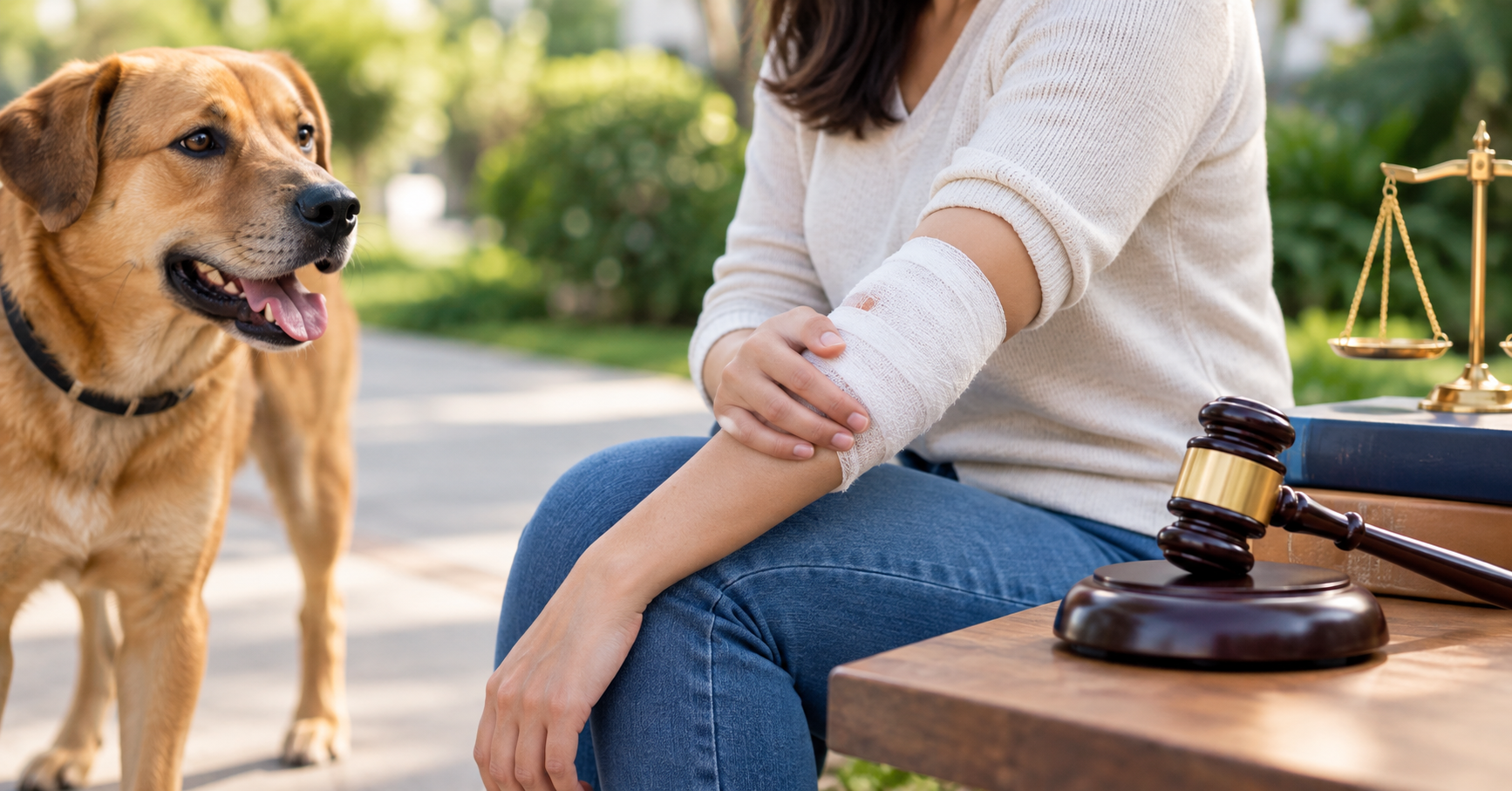
California Personal Injury: Common Mistakes That Can Hurt Dog Bite Claims
Dog bites can cause serious injuries, emotional distress, and unexpected medical expenses. In California, people injured by dogs may have legal options for seeking compensation, but certain mistakes can make a claim more difficult to pursue. Understanding what to do after an incident can help protect your health, preserve important evidence, and avoid unnecessary complications.
Failing to Seek Prompt Medical Attention
One common mistake is delaying medical treatment after a dog bite. Even wounds that appear minor can become infected or cause complications. Prompt medical attention helps protect your health and creates medical records documenting the injury, treatment, and related expenses.
It is also important to follow your healthcare provider’s instructions and attend recommended follow-up appointments. Gaps in treatment may raise questions about the severity of the injury or whether later symptoms are connected to the incident.
Another mistake is failing to report the bite to the appropriate local authorities. Reporting requirements can vary depending on the circumstances, but contacting animal control or the relevant public health agency may help document the incident and address potential rabies concerns.
Losing Evidence or Giving Inaccurate Statements
Evidence can play an important role in a dog bite claim. Failing to photograph the injuries, damaged clothing, or the location where the incident occurred may make it harder to establish what happened. When possible, injured individuals should preserve photographs, witness contact information, medical records, and details about the dog and its owner.
California generally imposes strict liability on a dog’s owner when the dog bites someone who is in a public place or lawfully in a private place, subject to applicable legal requirements and exceptions. However, the circumstances still matter. For example, disputes may arise over whether the injured person was lawfully present, whether the incident involved a bite, or whether an exception applies.
Another potential mistake is providing detailed statements to an insurance company before fully understanding the situation. Inaccurate guesses, incomplete descriptions, or statements made without considering the facts may complicate a claim. Injured individuals should be truthful and avoid speculating about details they do not remember.
Accepting a Settlement Too Quickly or Missing Deadlines
An early settlement offer may not account for all the consequences of a dog bite, including follow-up treatment, scarring, emotional distress, or future medical needs. Accepting a settlement and signing a release may prevent the injured person from seeking additional compensation later, even if the injury proves more serious than initially expected.
Missing legal deadlines can also jeopardize a claim. California generally provides a two-year deadline for filing a personal injury lawsuit, although exceptions may apply. Claims involving government entities or injured minors can involve different rules and shorter deadlines in certain circumstances. Waiting too long to explore legal options may limit the ability to pursue compensation.
Conclusion
Avoiding common mistakes after a dog bite can help preserve evidence and protect potential legal rights. Every incident is different, and the available options depend on the specific facts and applicable law. This article provides general information, not legal advice. Individuals who have suffered a dog bite should consider consulting a qualified California personal injury attorney to discuss their circumstances, applicable deadlines, and potential legal options.