
California Personal Injury : Common Mistakes That Can Hurt Pedestrian Accidents

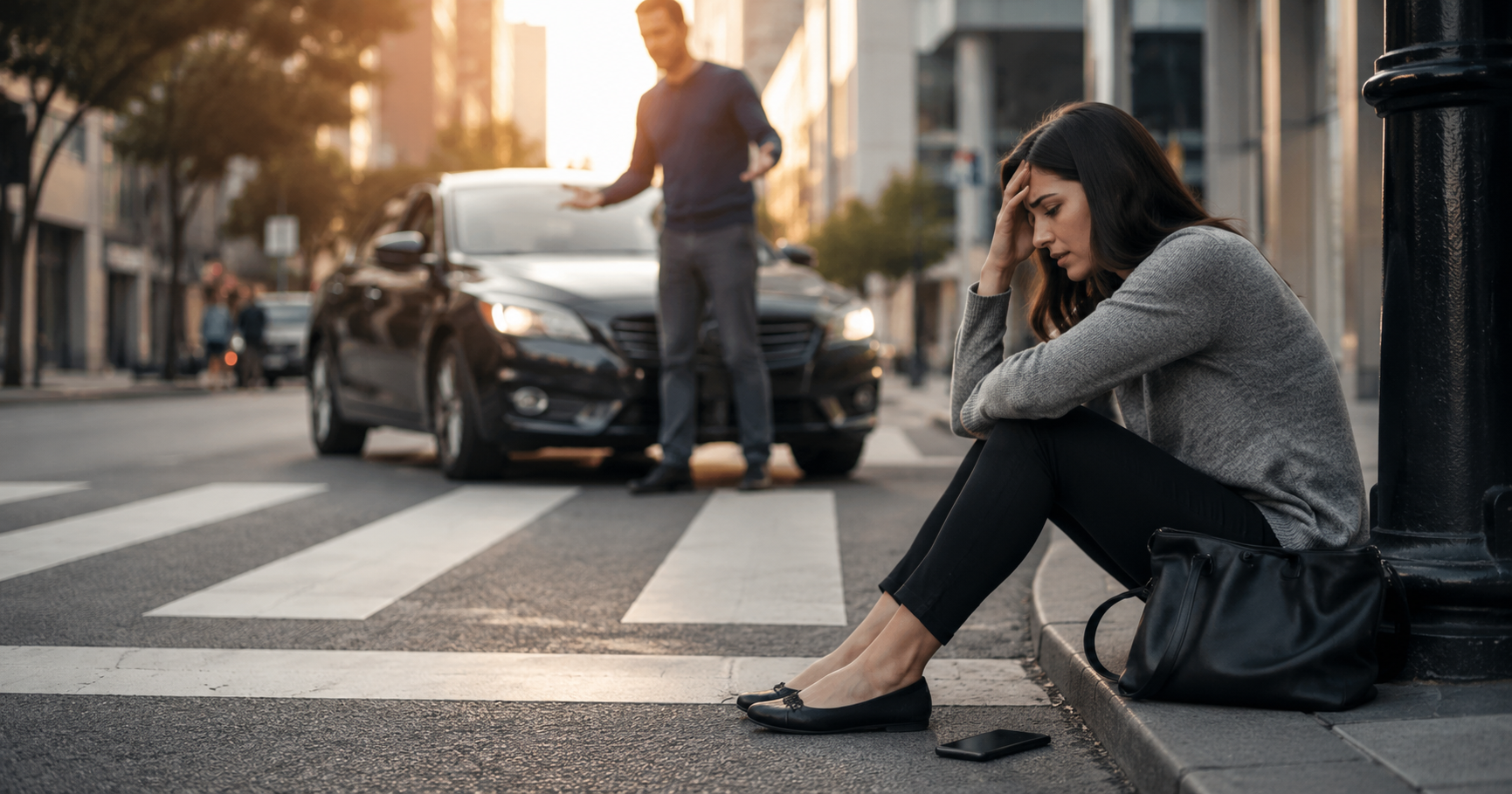
California Personal Injury: Common Mistakes That Can Hurt Pedestrian Accident Claims
Pedestrian accidents can cause serious injuries, unexpected medical expenses, and significant disruption to daily life. After an accident, the steps an injured pedestrian takes may affect their recovery and potential personal injury claim. Understanding common mistakes can help pedestrians protect their health, preserve important evidence, and make informed decisions about their legal options.
Failing to Seek Medical Attention and Preserve Evidence
One common mistake is delaying medical attention after an accident. Some injuries, including head, neck, and internal injuries, may not produce obvious symptoms immediately. Prompt medical evaluation can help identify injuries, establish a treatment plan, and create medical records documenting the harm suffered.
Another mistake is failing to preserve evidence. Photographs of the accident scene, vehicle damage, road conditions, traffic signals, and visible injuries may help explain how the collision occurred. Contact information for witnesses and copies of relevant medical records can also be valuable. If surveillance cameras may have captured the incident, the footage could be overwritten or deleted if it is not requested promptly.
Pedestrians should also avoid assuming that an accident report contains every important detail. Keeping personal records of symptoms, medical appointments, expenses, and missed work can help document the accident’s impact.
Making Statements or Accepting a Settlement Too Quickly
After an accident, injured pedestrians may speak with insurance adjusters representing the driver or another potentially responsible party. Providing inaccurate information, speculating about what happened, or making assumptions about fault can complicate a claim. It is generally better to stick to known facts and avoid guessing when answering questions.
Another potential mistake is accepting an insurance settlement before understanding the full extent of the injuries. An early offer may not account for ongoing treatment, rehabilitation, lost income, or other future expenses. Depending on the settlement terms, accepting payment may require the injured person to give up the right to pursue additional compensation for the same accident.
Pedestrians should also be cautious about posting accident details, photographs, or comments on social media. Statements shared publicly may be taken out of context and used to challenge aspects of a claim. Additionally, California follows a comparative fault system, meaning an injured pedestrian’s compensation may be reduced if the pedestrian is found partly responsible for the accident. Being partly at fault does not automatically eliminate the right to seek compensation.
Conclusion
Avoiding common mistakes after a pedestrian accident can help protect an injured person’s health and preserve important information for a potential claim. Each situation is different, and the appropriate steps depend on the circumstances of the collision and the injuries involved.
This article provides general information about California personal injury law and is not legal advice. Pedestrians injured in an accident should consider consulting a qualified California personal injury attorney to understand their rights, applicable deadlines, and legal options based on their individual circumstances.