
California Personal Injury : What Evidence Is Important in Pedestrian Accidents

California Personal Injury: What Evidence Is Important in Pedestrian Accidents?
Pedestrian accidents can lead to serious injuries, costly medical treatment, and long-term changes to daily life. When an injured pedestrian seeks compensation, evidence can help explain how the accident occurred, who may be responsible, and the extent of the resulting losses. Understanding what evidence matters can help injured individuals preserve important information and make informed decisions about their legal options.
Evidence That Helps Establish How the Accident Happened
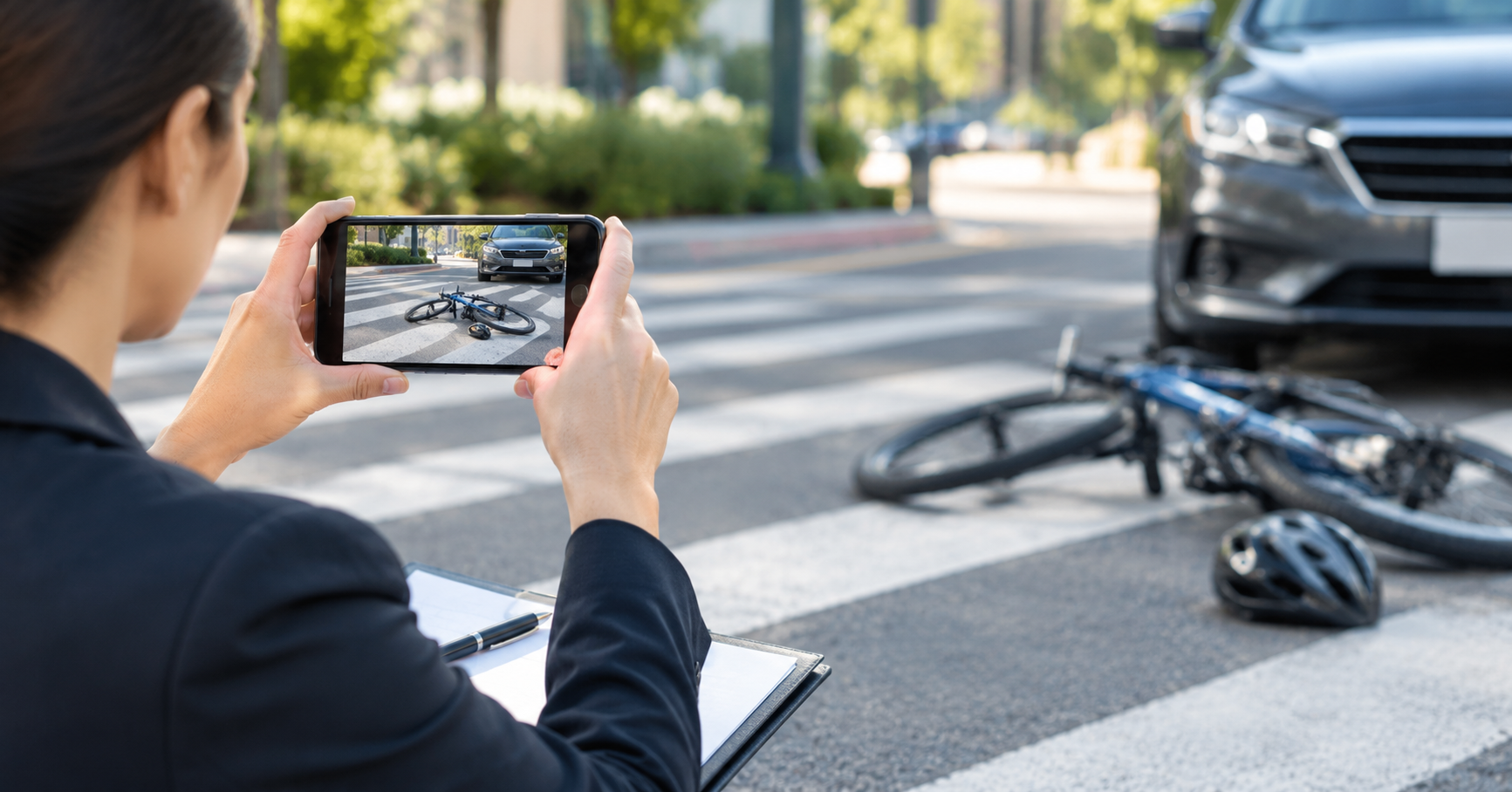
Photographs and videos can provide valuable details about a pedestrian accident. Images of the accident scene, vehicle damage, traffic signals, crosswalks, road conditions, and visible injuries may help show what happened. Dashcam recordings and nearby surveillance footage may also capture the collision or the events immediately before it. Because some recordings are routinely deleted or overwritten, identifying and preserving potentially relevant footage promptly can be important.
Witness statements can also help establish the circumstances of a collision. People who saw the accident may be able to describe the driver’s actions, the pedestrian’s movements, traffic conditions, or other relevant details. Collecting their names and contact information, when possible, may help investigators or attorneys follow up later.
Police reports may contain information about the parties involved, observations made at the scene, and statements gathered after the collision. However, a report may not include every relevant fact and does not necessarily determine legal responsibility. Additional evidence may be needed to understand the full circumstances.
Medical Records and Evidence of Financial Losses
Medical records are important because they document the injuries, treatment received, and progress toward recovery. Emergency room records, physician evaluations, diagnostic tests, prescriptions, and rehabilitation notes may help connect the injuries to the accident and explain their severity. Following medical recommendations and keeping records of appointments can help create a clearer account of the recovery process.
Evidence of financial losses may also support a pedestrian accident claim. Medical bills, pharmacy receipts, rehabilitation expenses, and documentation of travel costs related to treatment may help establish accident-related expenses. Pay statements, employer records, or other income documentation may help show wages lost because of the injuries. If the injuries affect a person’s ability to work in the future, additional evidence may be needed to support that loss.
A personal record describing pain, physical limitations, missed activities, and changes in daily routines may help document the accident’s broader effects. Any claim for compensation will depend on the available evidence and the specific circumstances.
Conclusion
Preserving relevant evidence can help clarify how a pedestrian accident occurred and demonstrate the injuries and losses involved. Injured pedestrians should consider consulting a qualified California personal injury attorney about gathering evidence, protecting important records, and understanding their legal options.
This article provides general information about California personal injury law and is not legal advice. Every accident is different, and individuals should seek advice from an attorney regarding their specific circumstances and applicable legal deadlines.