
California Personal Injury : What You Should Know About Motorcycle Accidents in California

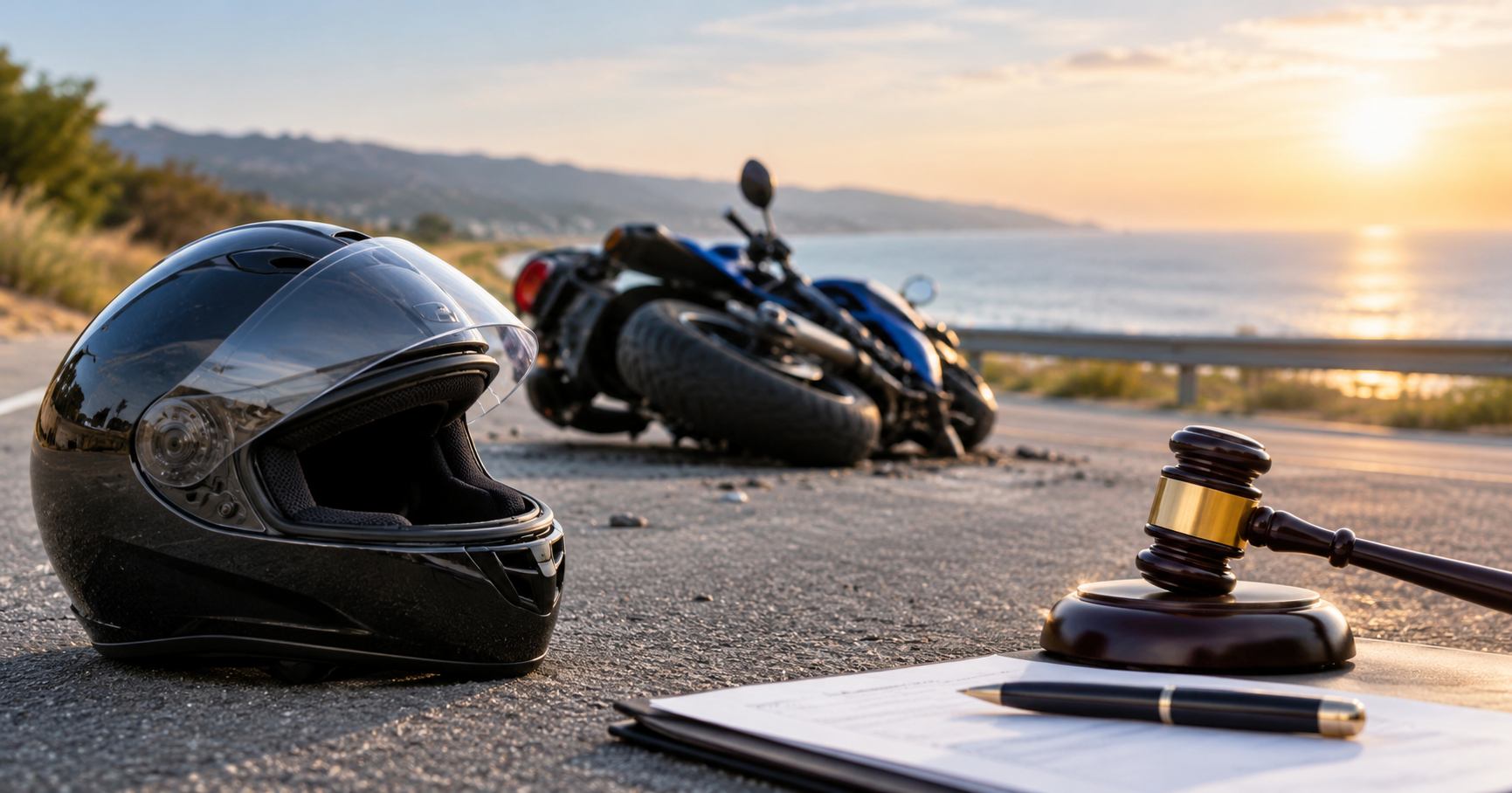
California Personal Injury: What You Should Know About Motorcycle Accidents in California
Introduction
Motorcycle accidents can cause serious injuries, significant medical expenses, and lasting changes to a person’s daily life. Because motorcyclists have less physical protection than occupants of passenger vehicles, even a collision at a relatively low speed can result in substantial harm. Understanding California’s traffic laws, insurance requirements, and personal injury claims process can help injured riders make informed decisions after an accident.
Common Causes and Legal Considerations
Motorcycle accidents may occur when drivers fail to check their blind spots, make unsafe turns, follow too closely, or fail to yield the right of way. Road hazards, poor visibility, unsafe lane changes, and hazardous road conditions can also contribute to collisions. Determining what caused an accident is an important step in understanding who may be legally responsible.
California law generally requires motorists to exercise reasonable care when sharing the road. Motorcyclists must also follow applicable traffic laws and operate their motorcycles safely. California permits lane splitting under certain conditions, but the circumstances surrounding a collision may still be relevant when determining fault.
California follows a comparative negligence system. An injured motorcyclist may be able to recover compensation even if they share some responsibility for an accident, although the amount may be reduced based on their share of fault. Insurance companies and courts may examine witness accounts, police reports, photographs, video footage, and other evidence to assess responsibility.
Injuries, Insurance, and Compensation
Motorcycle accidents can result in fractures, head injuries, spinal cord injuries, road rash, and other serious physical harm. Prompt medical evaluation is important, even when injuries initially appear minor. Medical records can also help document the nature of the injuries and their connection to the collision.
Depending on the circumstances, an injured motorcyclist may seek compensation for medical expenses, lost wages, reduced future earning capacity, pain, emotional distress, and other legally recognized losses. The available compensation depends on the evidence, the severity of the injuries, the parties’ responsibility, and applicable insurance coverage.
California’s insurance rules and policy terms can affect how a claim proceeds. Insurance adjusters may investigate the accident, review medical records, question liability, and evaluate the losses claimed. Keeping copies of medical bills, repair estimates, photographs, and communications with insurers can help maintain an organized record. Injured riders should also be cautious about accepting a settlement before understanding the potential long-term effects of their injuries.
Conclusion
Motorcycle accidents can raise complicated questions about fault, insurance coverage, and compensation. Understanding the claims process and preserving relevant evidence may help injured riders protect their interests.
This article provides general information about California law and is not a substitute for legal advice. If you or a loved one has been injured in a motorcycle accident, consider consulting a qualified California personal injury attorney to discuss your individual circumstances, potential claims, and available legal options.