
California Personal Injury : How California Law Applies to Bicycle Accidents

California Personal Injury: How California Law Applies to Bicycle Accidents
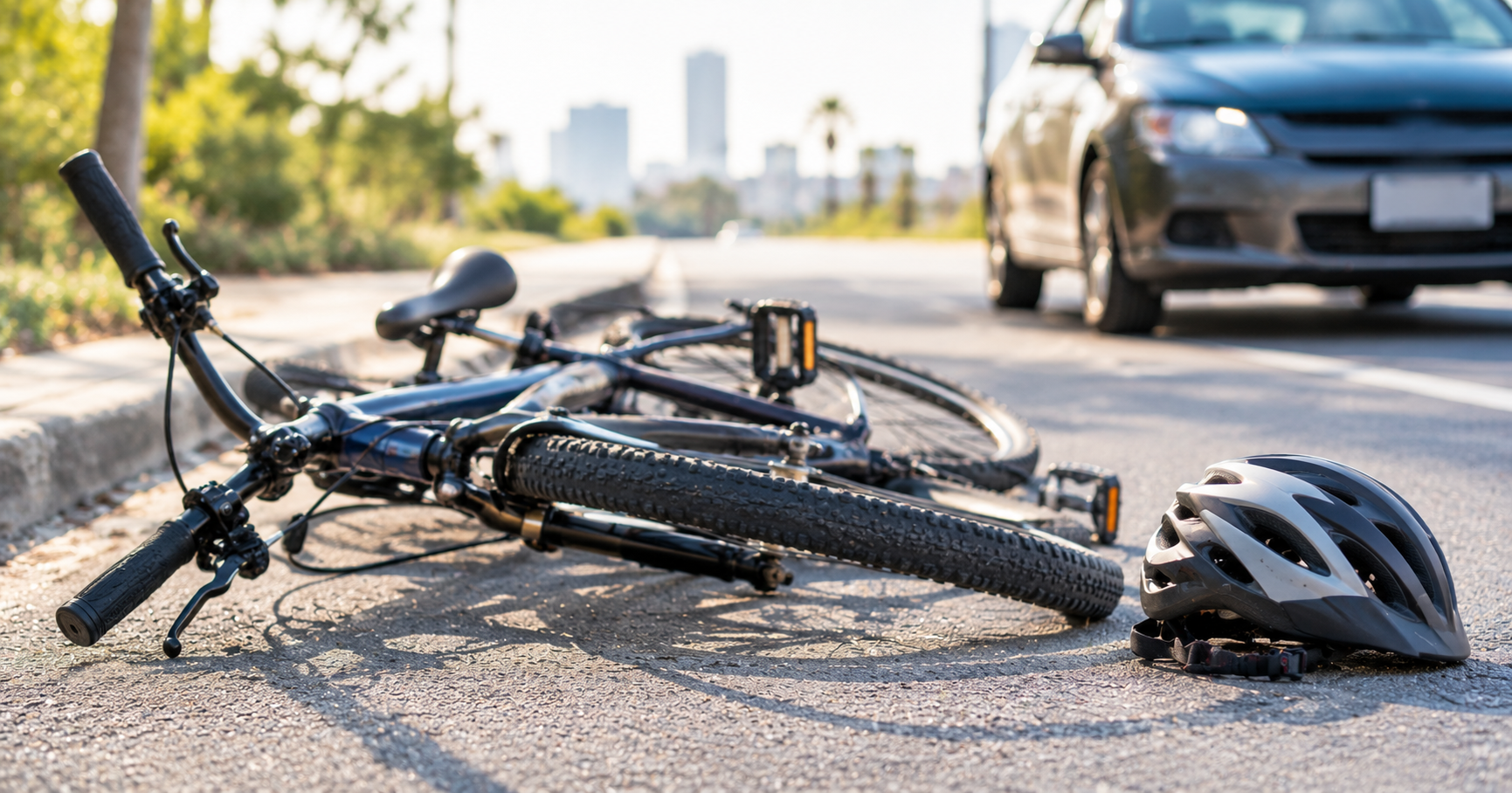
Bicycle accidents can cause serious injuries, property damage, and financial hardship for cyclists and their families. California law provides rules governing how cyclists and motorists share the road and explains when an injured person may seek compensation. Understanding these rules can help cyclists recognize their legal rights and the responsibilities of others after a collision.
What Responsibilities Do Cyclists and Motorists Have Under California Law?
California law generally requires cyclists and motorists to follow applicable traffic rules and exercise reasonable care to avoid collisions. Cyclists may have to follow traffic signals, stop signs, and other rules that apply to roadway users. Motorists must also drive carefully, remain alert, and take appropriate precautions when sharing the road with cyclists.
California law generally permits bicycles on public roads, subject to applicable restrictions. Cyclists are typically required to ride in the same direction as traffic and follow rules governing their position on the roadway, with certain exceptions. Drivers must respect cyclists’ lawful use of the road and comply with applicable passing and turning requirements.
When a collision occurs, investigators may examine whether a driver, cyclist, or another party failed to meet their legal responsibilities. The circumstances of the accident, witness accounts, photographs, and available records can help establish what happened.
How Does Negligence Affect a Bicycle Accident Claim?
Negligence generally means failing to exercise reasonable care under the circumstances. For example, a motorist who carelessly turns across a cyclist’s path or a cyclist who ignores a traffic signal may contribute to an accident. A person seeking compensation generally must establish the required legal elements, including that another party’s negligence caused the injury.
California follows a comparative fault system. This means an injured cyclist may still be eligible for compensation even if their own actions contributed to the collision. However, any compensation awarded may be reduced according to the cyclist’s share of responsibility.
Depending on the circumstances, an injured cyclist may seek compensation for medical expenses, lost income, property damage, pain, and other legally recognized losses. The amount recoverable depends on the evidence, the extent of the injuries, the parties’ respective responsibility, and available insurance coverage.
Are There Deadlines for Filing a Bicycle Accident Lawsuit?
California generally allows two years from the date of injury to file a personal injury lawsuit. Different deadlines may apply in certain situations. For example, claims against public entities can involve much shorter deadlines and specific claim procedures. Identifying the correct deadline is important because missing it may prevent an injured person from pursuing compensation.
Conclusion
California law addresses road safety, negligence, comparative fault, and the right to seek compensation after a bicycle accident. This article provides general information, not legal advice, and the law may apply differently depending on the facts of a particular case. Anyone injured in a bicycle accident should consider consulting a qualified California personal injury attorney to understand their rights, applicable deadlines, and available legal options.