
California Personal Injury : What You Should Know About Bicycle Accidents in California

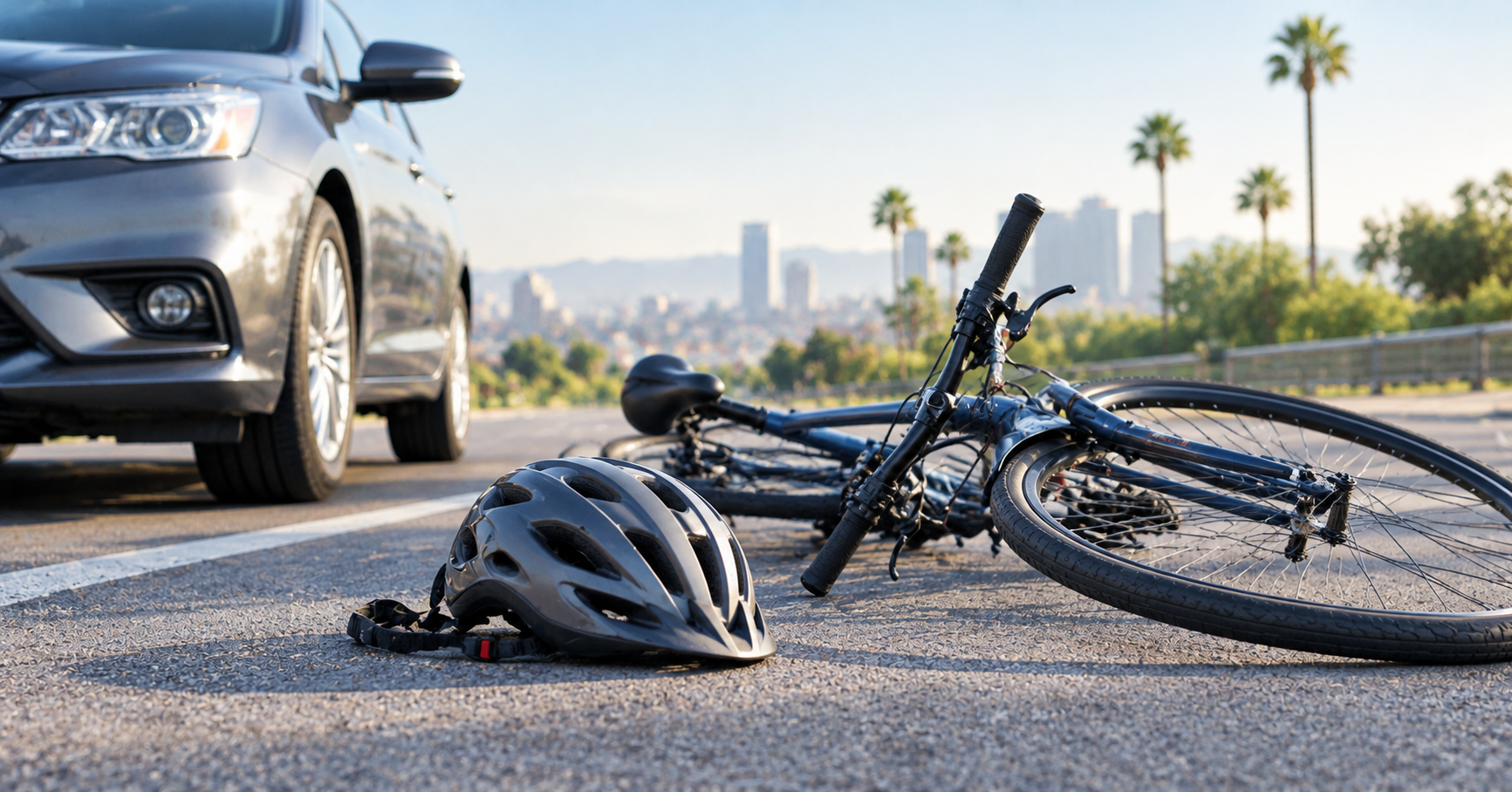
California Personal Injury: What You Should Know About Bicycle Accidents in California
Introduction
Bicycle accidents can cause serious injuries, damage to personal property, and unexpected financial stress. Whether a collision involves a motor vehicle, another cyclist, or a hazardous road condition, understanding California’s personal injury laws can help injured cyclists learn about their rights and possible options for seeking compensation. Knowing what to do after an accident may also help preserve important evidence.
Common Causes and Legal Responsibility for Bicycle Accidents
Bicycle accidents often occur when motorists fail to notice cyclists, turn across bicycle paths, change lanes unsafely, or fail to yield at intersections. Other contributing factors may include distracted driving, speeding, unsafe passing, and poorly maintained roads. The circumstances of each collision matter when determining whether someone acted negligently and caused another person’s injuries.
California generally gives bicyclists many of the same rights and responsibilities as drivers when using public roads. Cyclists must follow applicable traffic laws, while motorists must exercise reasonable care to avoid endangering people riding bicycles. Depending on the circumstances, a driver, cyclist, property owner, or government entity responsible for road maintenance may potentially bear legal responsibility for an accident.
California also follows a comparative negligence system. This means that more than one party may share responsibility for a collision. An injured cyclist may still be able to recover compensation if they were partly at fault, but the amount may be reduced according to their share of responsibility. Evidence such as photographs, witness accounts, police reports, and video footage may help establish how the accident occurred.
Injuries, Compensation, and Steps After an Accident
Bicycle accidents can result in broken bones, head injuries, cuts, and other physical harm. Some injuries may require extended treatment or affect a person’s ability to work and perform everyday activities. Seeking prompt medical attention is important, even when symptoms initially appear minor.
When another party’s negligence causes an accident, an injured cyclist may be able to seek compensation for medical expenses, lost wages, reduced future earning capacity, pain and suffering, and bicycle repair or replacement costs. The types and amounts of recoverable damages depend on the circumstances and supporting evidence.
After an accident, cyclists should preserve relevant information whenever possible. Photographs of the scene, vehicle damage, road hazards, and injuries may be useful. Keeping medical records, treatment bills, receipts, and employment documentation can also help establish the impact of the collision. Insurance companies may review this evidence when evaluating a claim, and any settlement offer should be considered carefully before acceptance.
California generally imposes a two-year deadline for filing many personal injury lawsuits, although exceptions and different deadlines may apply, including in certain claims involving government entities. Understanding the applicable deadline is important because missing it may affect the ability to pursue compensation.
Conclusion
Bicycle accident claims can involve questions about negligence, shared responsibility, injuries, and financial losses. Understanding the relevant laws and preserving evidence may help injured cyclists evaluate their options. This article provides general information only and is not legal advice. Anyone injured in a bicycle accident should consult a qualified California personal injury attorney to discuss their individual circumstances, applicable deadlines, and potential legal remedies.