
California Personal Injury : Frequently Asked Questions About Premises Liability

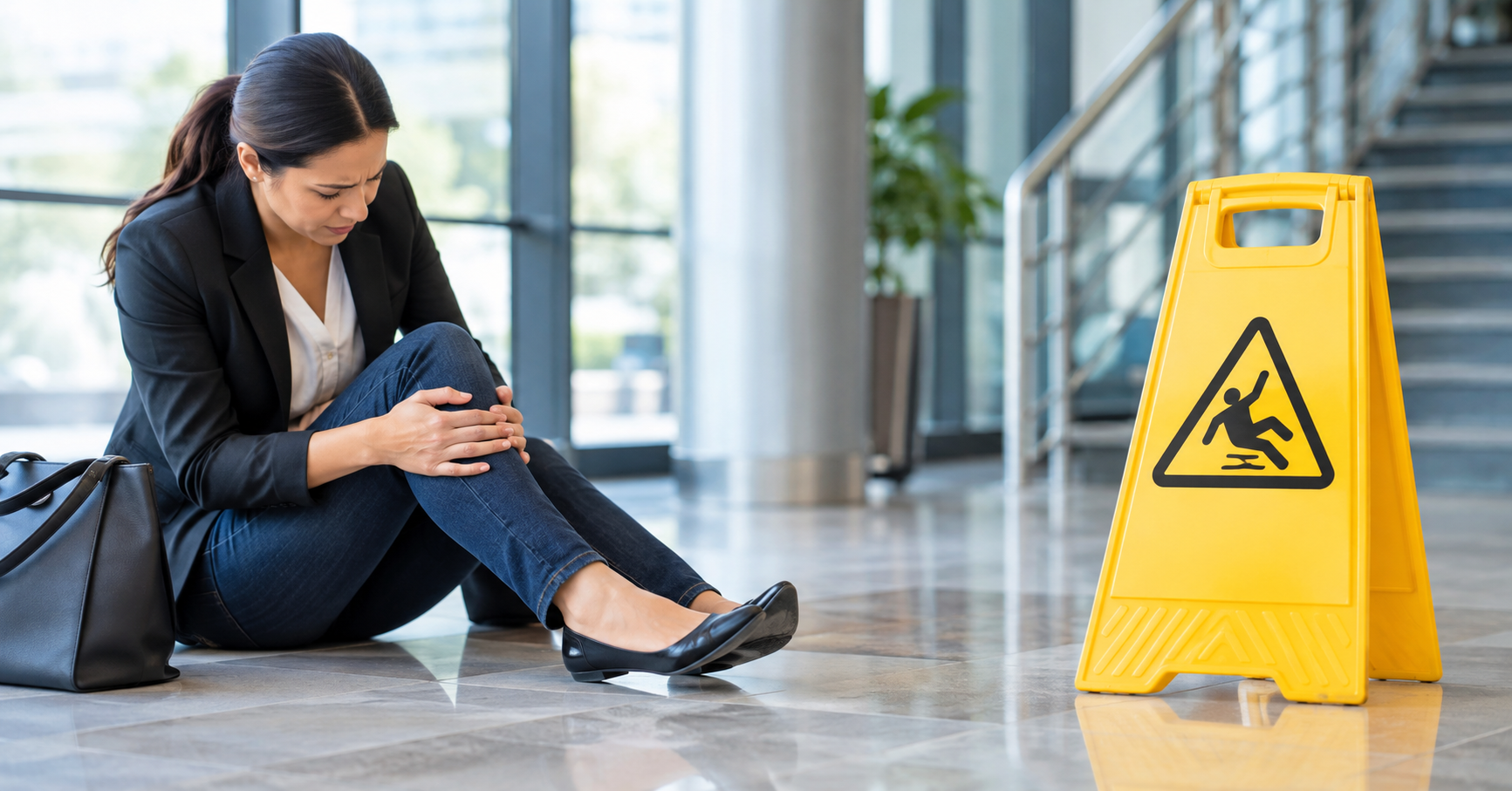
California Personal Injury: Frequently Asked Questions About Premises Liability
Introduction
Premises liability concerns injuries caused by dangerous conditions on someone else’s property. In California, these claims may involve slip-and-fall accidents, broken stairs, inadequate lighting, unsafe walkways, or other property hazards. Understanding the basic legal principles can help injured individuals determine what factors may affect a potential claim and when professional legal guidance may be appropriate.
Common Questions About Premises Liability
What is premises liability under California law?
Premises liability is a type of personal injury claim that may arise when an unsafe property condition causes an injury. Property owners and others responsible for controlling premises generally must use reasonable care to maintain reasonably safe conditions. Whether someone is legally responsible depends on the circumstances, including the hazard, the person’s relationship to the property, and the steps taken to address the danger.
Can I file a claim if I slipped and fell on someone else’s property?
Possibly. A fall alone does not automatically establish liability. The injured person generally needs to show that a dangerous condition existed, the responsible party failed to use reasonable care, and that failure contributed to the injury. Evidence about the condition, how long it existed, and whether reasonable inspections or warnings were provided may be relevant.
What if I was partly responsible for the accident?
California follows a comparative negligence approach. An injured person may still recover compensation even if they share some responsibility, but their recovery may be reduced according to their assigned share of fault. The outcome depends on the available evidence and the circumstances of the incident.
Evidence, Compensation, and Legal Deadlines
What evidence can support a premises liability claim?
Photographs of the hazard, witness statements, incident reports, surveillance footage, maintenance records, and inspection logs may help explain how the accident happened. Medical records and bills can document injuries and treatment, while employment records may help establish lost income. Preserving relevant evidence promptly can be important because property conditions and video recordings may not remain available.
What compensation might be available?
Depending on the facts, a successful claim may include compensation for medical expenses, lost earnings, reduced future earning ability, physical pain, and other legally recognized losses. The amount depends on factors such as injury severity, financial impact, available evidence, and any applicable reduction for shared fault. Compensation is not guaranteed simply because an accident occurred.
How long do I have to file a claim in California?
California generally provides a limited period to file a personal injury lawsuit, but exceptions and different deadlines may apply. Claims involving government entities can have separate claim-presentation requirements that arise much sooner. Seeking legal guidance promptly can help avoid missing an important deadline.
Conclusion
Premises liability claims depend on the specific property condition, the conduct of the responsible parties, and the evidence connecting the hazard to the injury. Understanding these factors can help injured individuals make informed decisions about their next steps.
This article provides general information about California premises liability law and is not legal advice. Because deadlines and legal requirements vary by situation, consider consulting a qualified California personal injury attorney to discuss your circumstances and understand your available options.