
California Personal Injury : How California Law Applies to Premises Liability

California Personal Injury: How California Law Applies to Premises Liability
Introduction
Property owners and occupiers have responsibilities to help keep their premises reasonably safe for visitors. When someone is injured because of a dangerous condition on a property, California premises liability law may allow the injured person to seek compensation. Understanding how these rules apply can help individuals recognize their rights and the factors that may affect a potential claim.
Understanding Premises Liability Under California Law
Premises liability is a type of personal injury claim involving injuries caused by unsafe conditions on real property. These incidents can occur in apartment buildings, shopping centers, restaurants, hotels, offices, parking lots, and private residences.
Under California law, property owners generally must use reasonable care to maintain their property in a reasonably safe condition. Depending on the circumstances, this responsibility may also apply to tenants, property managers, businesses, or other parties who control the premises.
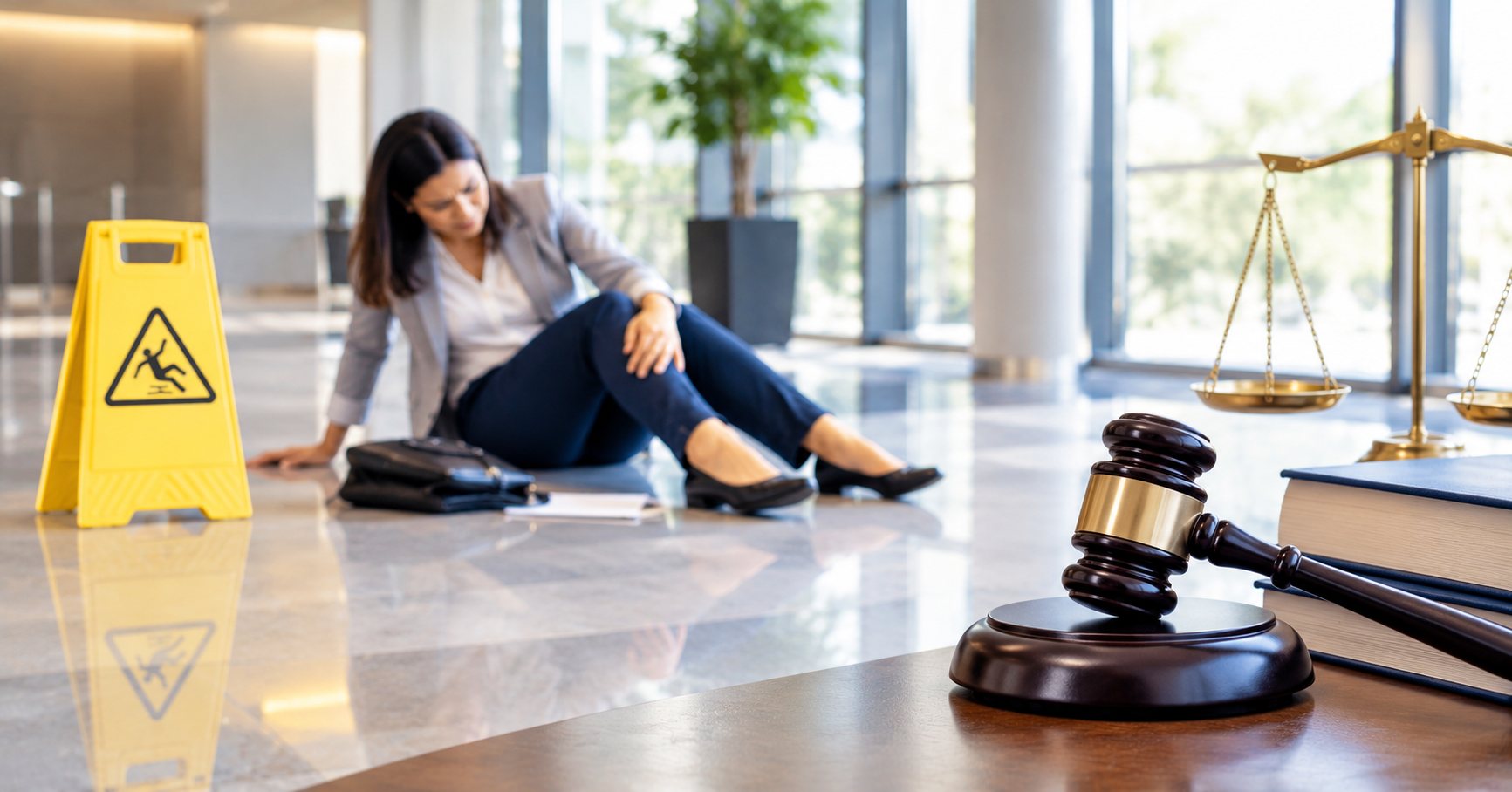
Common hazards include wet floors, broken stairways, damaged walkways, inadequate lighting, loose handrails, and unsafe building conditions. However, an accident alone does not automatically establish legal responsibility. The circumstances surrounding the incident and the actions taken to address the hazard are important when evaluating a claim.
Proving Responsibility for a Premises Liability Injury
To establish a premises liability claim, an injured person generally must show that a dangerous condition existed, that the responsible party failed to use reasonable care, and that this failure contributed to the injury. The injured person must also establish the connection between the incident and the losses being claimed.
An important consideration is whether the property owner or responsible party knew about the hazard or reasonably should have discovered it. For example, evidence that a spill remained on a store floor for an extended period may be relevant when determining whether the business should have identified and addressed the danger. The specific facts, including inspection practices, warning signs, and maintenance procedures, can influence the outcome.
Evidence may include photographs of the hazard, incident reports, witness statements, surveillance footage, and medical records. California also follows a comparative negligence approach, meaning an injured person’s own share of responsibility may reduce the compensation available rather than automatically preventing recovery. The effect depends on the circumstances and applicable law.
Conclusion
California premises liability claims depend on the condition of the property, the responsible party’s conduct, and the evidence connecting the hazard to the injury. Property owners and occupiers may have defenses, and the amount of any potential recovery can depend on several factors.
This article provides general information about California law and is not legal advice. Every situation is different, so individuals who have been injured on someone else’s property should consider consulting a qualified California personal injury attorney to discuss their specific circumstances and available legal options.