
California Personal Injury : What You Should Know About Premises Liability in California

California Personal Injury: What You Should Know About Premises Liability in California
Introduction
Accidents can happen in stores, apartment buildings, restaurants, parking lots, and other properties. When someone suffers an injury because of an unsafe property condition, premises liability may become relevant. In California, property owners and others responsible for maintaining a property may have a legal duty to take reasonable steps to protect visitors from foreseeable harm. Understanding how these claims work can help injured individuals recognize their options.
Understanding Premises Liability and Property Owner Responsibilities
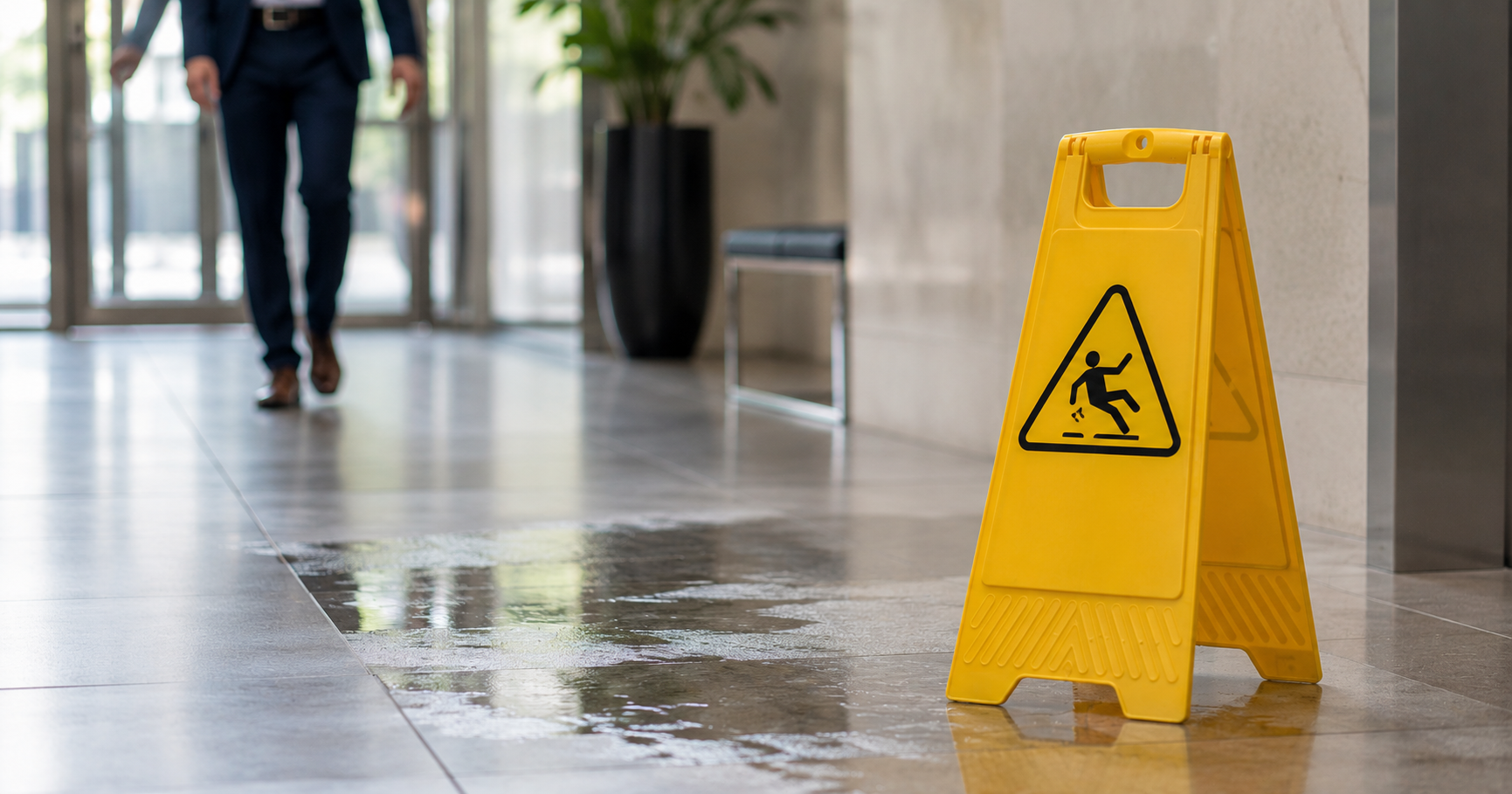
Premises liability refers to legal responsibility for injuries caused by dangerous conditions on a property. Common examples include wet floors without adequate warnings, broken stairs, damaged walkways, poor lighting, and unsafe railings. Depending on the circumstances, injuries caused by falling objects or inadequate security may also raise premises liability concerns.
California law generally requires property owners to use reasonable care in managing and maintaining their property. Responsibility may also extend to tenants, businesses, property managers, or other parties who control the area where an accident occurs. The specific responsibilities depend on the relationship between the parties, the condition of the property, and who had the ability to address the hazard.
However, an accident on someone else’s property does not automatically establish liability. The circumstances matter, including whether a dangerous condition existed, whether the responsible party knew or reasonably should have known about it, and whether reasonable steps were taken to correct the problem or warn visitors. The injured person’s own actions may also be considered when determining responsibility.
Evidence, Compensation, and Filing a Claim
Evidence can play an important role in a premises liability claim. Photographs of the hazard, incident reports, witness contact information, medical records, and records of communication with the property owner or business may help explain how the accident occurred. In some situations, maintenance logs, inspection records, or surveillance footage may also be relevant. Because conditions can change quickly, documenting the scene promptly when it is safe to do so may be helpful.
Depending on the circumstances, an injured person may seek compensation for medical expenses, lost income, pain, and other losses related to the injury. The amount and availability of compensation depend on the evidence, the extent of the injuries, the parties’ respective responsibilities, and any applicable insurance coverage.
California imposes deadlines for filing personal injury lawsuits, and the time limit may vary depending on the circumstances and the party involved. Claims involving government-owned property can have different and potentially shorter requirements. Waiting too long may affect the ability to pursue compensation, so it is important to understand the deadlines that apply.
Conclusion
Premises liability claims can involve complex questions about property maintenance, notice of hazards, and responsibility for injuries. Understanding the relevant facts and preserving available evidence can help clarify whether a claim may exist.
This article provides general information about premises liability in California and is not legal advice. Every situation is different, and the applicable rules and deadlines depend on the specific circumstances. Consider consulting a qualified California personal injury attorney to discuss your situation and understand your legal options.