
California Personal Injury : What You Should Know About Uber and Lyft Accidents in California

California Personal Injury: What You Should Know About Uber and Lyft Accidents in California
Introduction
Rideshare services such as Uber and Lyft make getting around California convenient, but accidents involving these vehicles can raise complicated questions about insurance and liability. Whether you are a passenger, another driver, a cyclist, or a pedestrian, understanding how rideshare accident claims work can help you make informed decisions after a collision.
Who May Be Responsible for a Rideshare Accident?
Responsibility for an Uber or Lyft accident depends on how the collision occurred. A rideshare driver may be responsible if careless driving, speeding, distracted driving, or another unsafe action contributed to the crash. In other situations, another motorist, a vehicle manufacturer, or another party may share responsibility.
The driver’s status at the time of the accident can also affect which insurance coverage applies. Rideshare drivers may be waiting for a ride request, traveling to pick up a passenger, or transporting a passenger to a destination. These different stages can trigger different insurance arrangements under California law and the rideshare company’s policies.
Uber and Lyft generally provide insurance coverage for certain accidents involving drivers using their platforms, but coverage depends on the driver’s status, the circumstances of the crash, and the applicable policy terms. The availability of company coverage does not automatically establish that the company or driver is legally responsible for an injury.
Insurance Coverage and Steps After an Accident
California requires drivers to maintain applicable automobile liability insurance, and rideshare companies must meet additional insurance requirements for covered periods of activity. Depending on the driver’s status, coverage may include liability protection for injuries caused to others. Additional coverage may be available during a trip or while a driver is traveling to pick up a passenger.
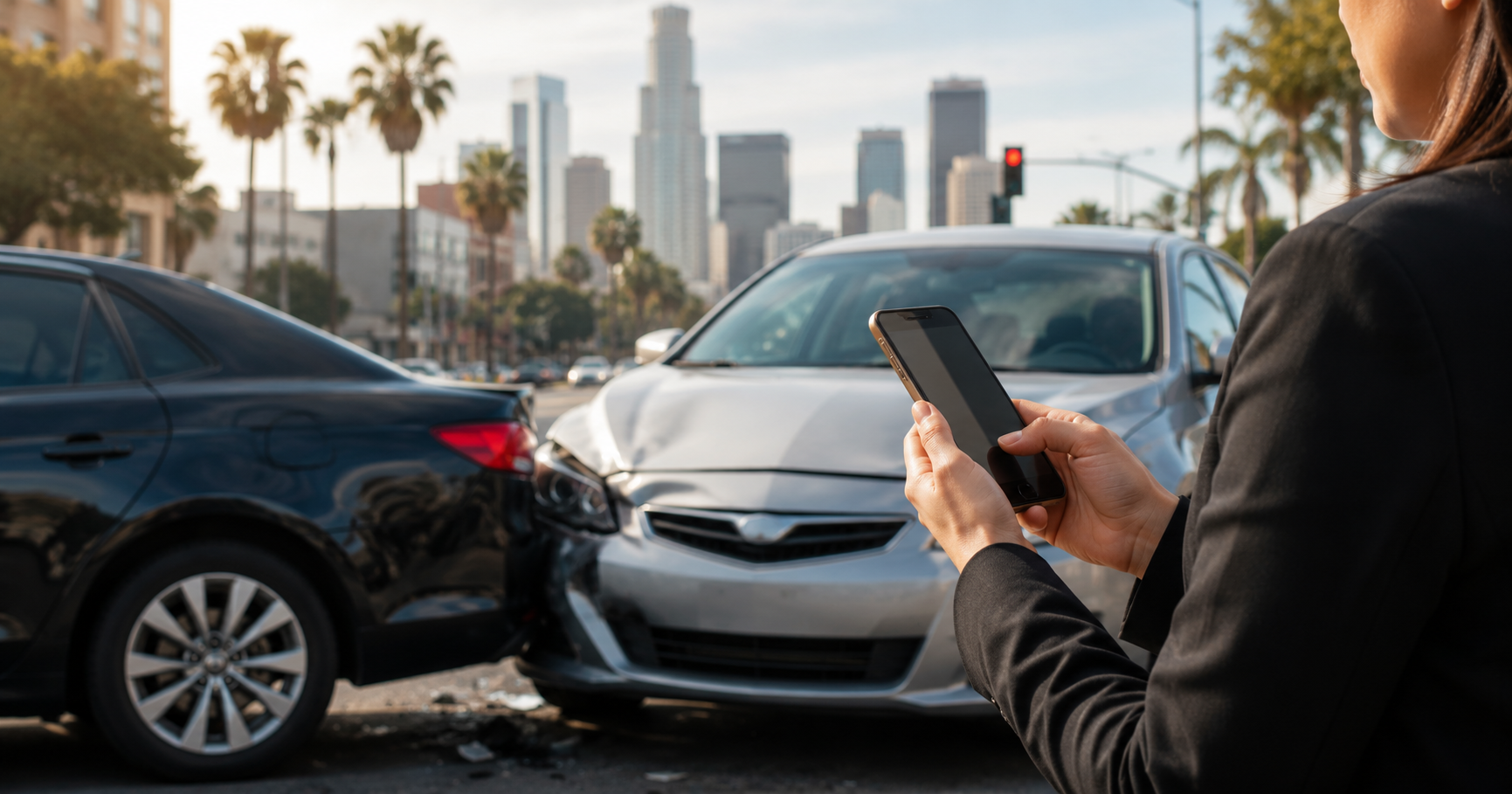
After an accident, seek medical attention when needed and contact law enforcement if appropriate. Collect the names and contact information of the drivers and witnesses, photograph the vehicles and accident scene when safe, and keep copies of medical records and expenses. If you were using Uber or Lyft, preserve trip details and report the incident through the relevant platform.
Be careful when discussing fault with insurers before you understand the circumstances. Insurance representatives may request statements, records, or other information while investigating the claim. Keep copies of communications and avoid assuming that an initial insurance decision is final. Serious injuries, disputed liability, or uncertainty about coverage may warrant legal guidance.
Conclusion
Uber and Lyft accidents can involve multiple parties, different insurance policies, and questions about the driver’s status at the time of the collision. Understanding these issues early can help injured individuals evaluate their options and protect relevant evidence.
This article is for general informational purposes only and is not legal advice. The rules and insurance coverage that apply depend on the facts of each accident. If you have been injured in a rideshare collision in California, consider consulting a qualified California personal injury attorney to discuss your individual circumstances, potential claims, and applicable deadlines.