
Can a K-1 Visa Holder Travel Outside the United States After Marriage? — Fiancé Visas, Consular Processing and Family Petitions

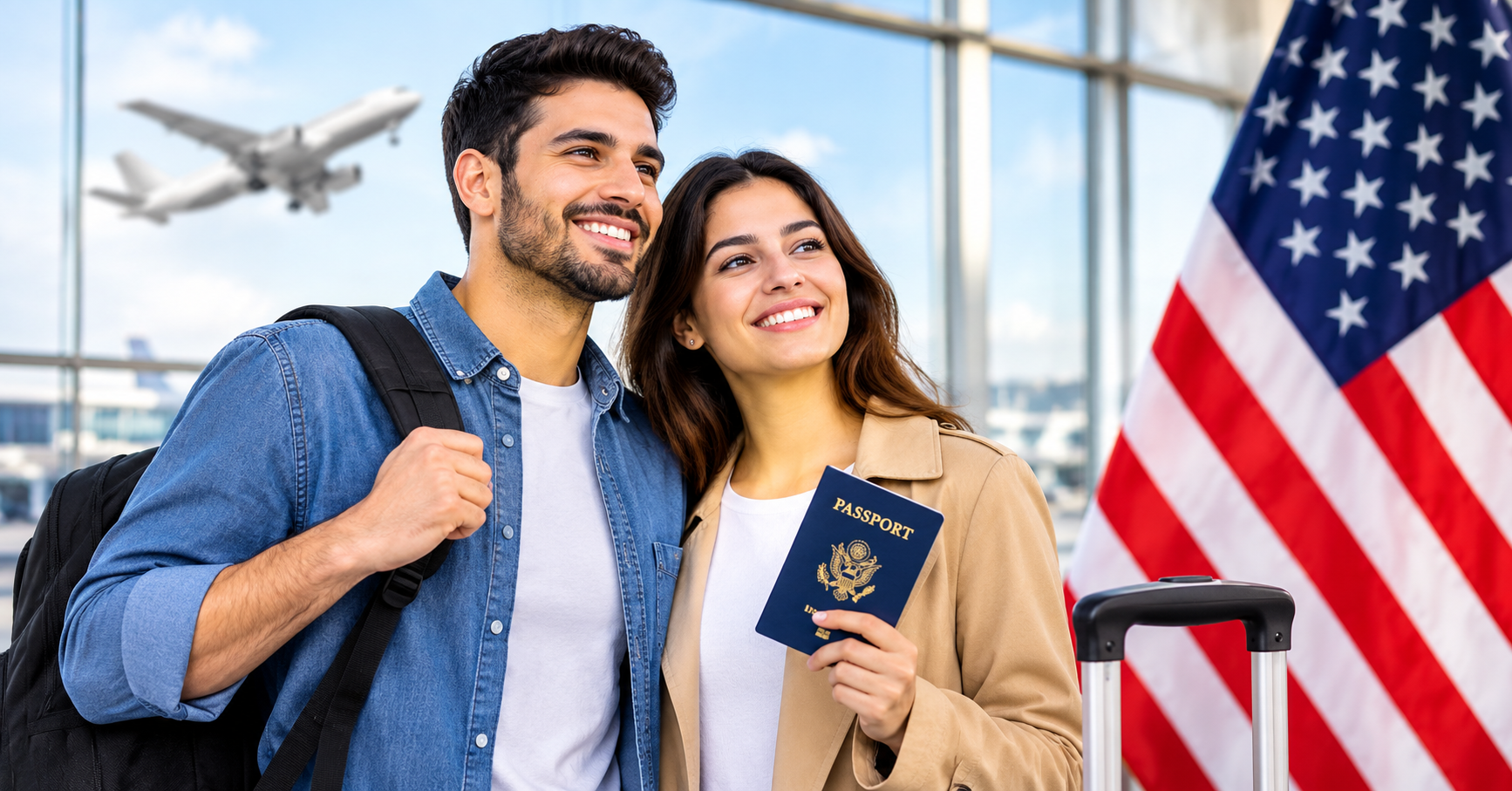
Can a K-1 Visa Holder Travel Outside the United States After Marriage?
Introduction
A K-1 fiancé(e) visa allows a foreign national to enter the United States to marry their U.S. citizen petitioner within 90 days. After the marriage, many couples begin the process of applying for a green card through adjustment of status. During this period, an important question arises: Can the foreign spouse travel outside the United States and return while the green card application is pending? The answer depends largely on their immigration status and whether they have received the required travel authorization.
Can You Travel After Marriage While Your Green Card Application Is Pending?
Getting married within the 90-day period does not automatically give a K-1 visa holder permission to travel internationally and return to the United States. After marriage, the foreign spouse generally files Form I-485, Application to Register Permanent Residence or Adjust Status, to apply for a green card.
While this application is pending, leaving the United States without obtaining the appropriate travel authorization can have serious consequences. In many cases, departing the country before receiving Advance Parole may result in USCIS treating the adjustment of status application as abandoned.
Advance Parole is generally requested through Form I-131, Application for Travel Documents. It allows an eligible applicant to seek permission to return to the United States after temporary international travel while the green card application remains pending. However, having Advance Parole does not guarantee admission. U.S. Customs and Border Protection officers make the final decision at the port of entry.
What Should You Know Before Traveling Internationally?
K-1 visa holders should carefully plan international travel after marriage. Ideally, they should wait until USCIS approves their Advance Parole application before leaving the country, unless an applicable exception allows travel without abandoning the adjustment application.
Travel plans should also account for processing times, possible delays, and individual immigration circumstances. Advance Parole is not the same as a green card or a visa, and it does not eliminate every potential immigration issue. Certain immigration violations or other grounds of inadmissibility may affect whether someone can return.
If the green card application has already been approved, the individual generally travels using their permanent resident status and appropriate travel documents rather than relying on Advance Parole.
Conclusion
A K-1 visa holder who marries their U.S. citizen petitioner should understand the travel restrictions that apply while pursuing a green card. Although international travel may be possible, leaving without proper authorization can jeopardize the pending adjustment of status application.
This article provides general information and does not constitute legal advice. Immigration rules and individual circumstances can differ. Before making international travel plans, K-1 visa holders should consult a qualified U.S. immigration attorney to understand their eligibility, obtain the necessary authorization, and avoid complications with their immigration status.