
How Does Divorce Affect Eligibility for Citizenship Under the Three-Year Rule? — Naturalization and U.S. Citizenship

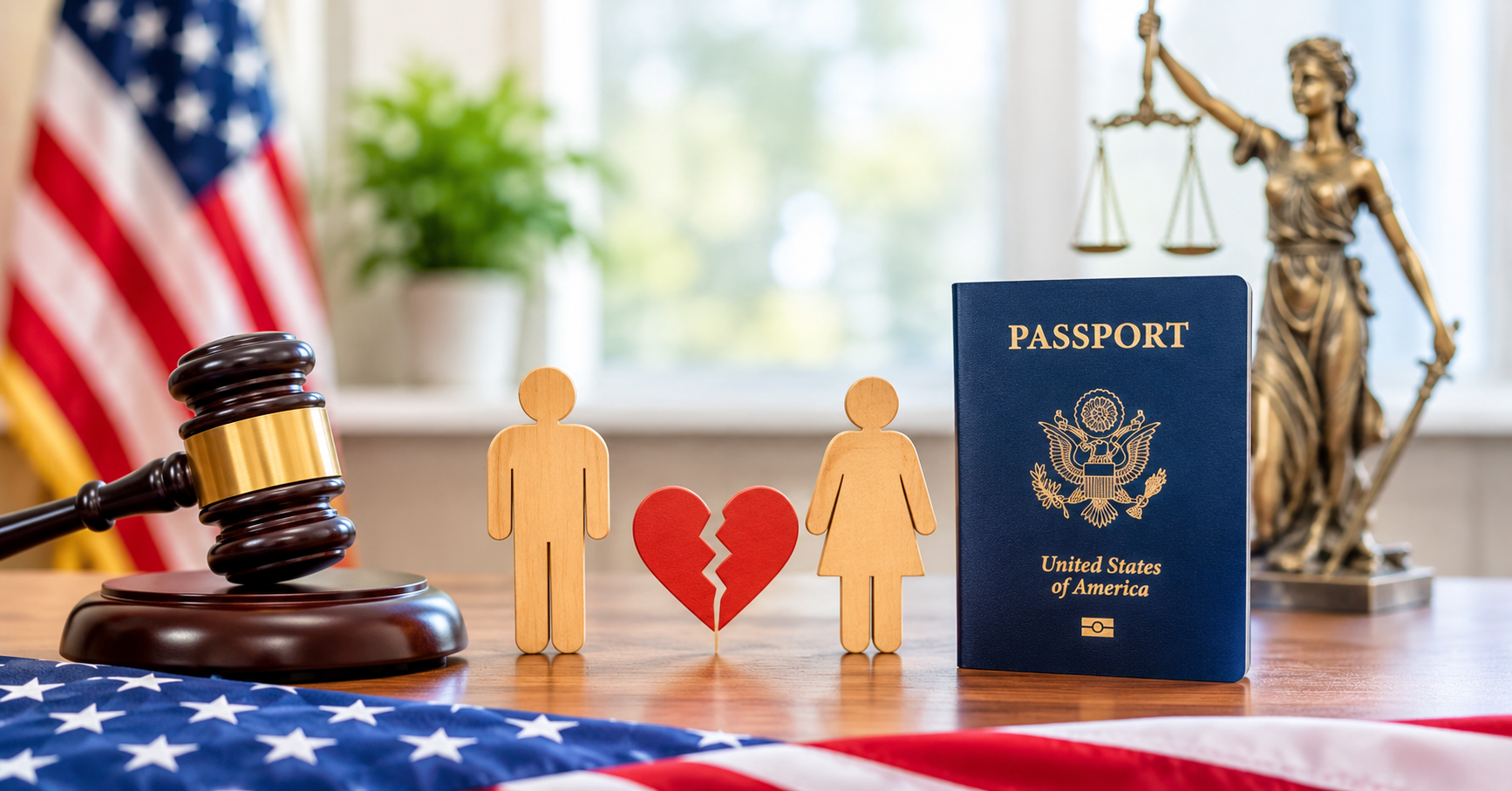
How Does Divorce Affect Eligibility for Citizenship Under the Three-Year Rule?
Introduction
Divorce can significantly affect a green card holder’s eligibility to apply for U.S. citizenship under the three-year naturalization rule. This rule allows certain permanent residents married to U.S. citizens to apply for naturalization earlier than the standard five-year waiting period. However, if the marriage ends in divorce before naturalization, the applicant may lose eligibility under the three-year rule and need to qualify under the general five-year requirement instead.
How Divorce Affects the Three-Year Naturalization Rule
Under the three-year naturalization rule, a lawful permanent resident must generally have been married to and living in a marital union with the same U.S. citizen spouse for at least three years immediately before applying for citizenship. The U.S. citizen spouse must also have maintained U.S. citizenship throughout the required period.
If the couple divorces before the applicant files Form N-400, Application for Naturalization, the applicant generally cannot use the three-year rule. Even if the applicant previously met the marriage and residency requirements, the termination of the marriage can affect eligibility.
Similarly, applicants who are legally separated may face difficulties demonstrating that they are living in a marital union with their U.S. citizen spouse. The specific circumstances and legal status of the relationship may matter when USCIS reviews the application.
Can You Still Apply for Citizenship After Divorce?
Losing eligibility under the three-year rule does not necessarily mean that someone can no longer become a U.S. citizen. A divorced green card holder may still qualify through the general five-year naturalization rule.
Under this pathway, applicants generally must have maintained lawful permanent resident status for at least five years, satisfied the continuous residence and physical presence requirements, and met the applicable good moral character, English language, and civics requirements.
For example, someone who obtained a green card through marriage but divorced after two years may still be eligible to apply for citizenship after completing five years as a lawful permanent resident, provided all other requirements are satisfied.
It is also important to understand that divorce after filing Form N-400 but before taking the Oath of Allegiance may affect eligibility under the three-year rule. Applicants should not assume that meeting the requirements on the filing date guarantees approval. They should disclose significant changes in their marital circumstances to USCIS.
Conclusion
Divorce does not automatically prevent a green card holder from becoming a U.S. citizen, but it can eliminate the opportunity to use the three-year naturalization rule. In many cases, the five-year pathway may remain available.
Immigration rules can be complex, particularly when divorce occurs before or during the naturalization process. This article provides general information and is not legal advice. Individuals concerned about how divorce may affect their citizenship eligibility should consult an experienced immigration attorney to review their circumstances and determine the appropriate path to naturalization.