
What Happens if Your H-1B Extension Is Denied? — H-1B, H-4 and Employment-Based Status

What Happens if Your H-1B Extension Is Denied?
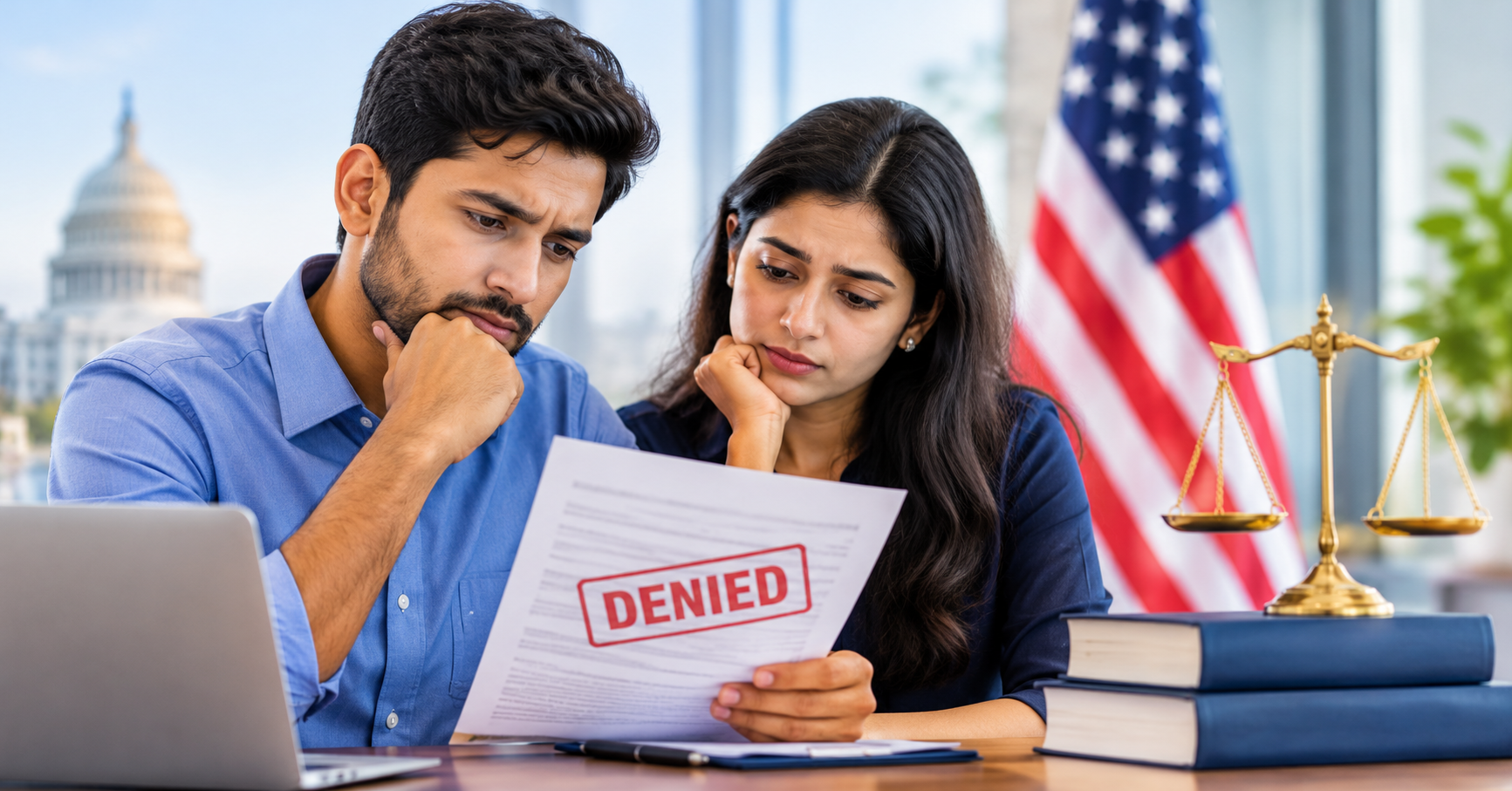
An H-1B extension allows a foreign worker to continue working in the United States beyond the expiration of their current authorized stay. However, an extension request is not automatically approved. If U.S. Citizenship and Immigration Services (USCIS) denies an H-1B extension, the consequences may affect the employee’s ability to work, remain in the country, and maintain lawful immigration status. Understanding the available options is important for both employees and employers.
What Happens to Your Employment and Immigration Status?
If USCIS denies an H-1B extension before the employee’s existing authorized stay expires, the employee’s ability to remain and work generally depends on the validity of the current H-1B approval and I-94 record. A denial does not automatically cancel an otherwise valid existing H-1B approval.
However, if the previous H-1B status has already expired, the situation can become more complicated. Employees who continued working under the applicable 240-day automatic extension rule while a timely filed extension was pending must generally stop working when USCIS issues a denial.
The employee may also need to leave the United States if no other lawful immigration status or authorized period of stay applies. Remaining in the country without appropriate authorization can create immigration complications and affect future visa applications.
What Options Are Available After an H-1B Extension Denial?
The appropriate next step depends on the reason for the denial. USCIS may reject an extension because of insufficient supporting documents, questions about the employer-employee relationship, concerns about the offered position, or failure to establish eligibility under H-1B requirements.
In certain circumstances, the employer may consider filing a motion to reopen or reconsider, or pursuing another available legal option. A motion generally asks USCIS to review its decision based on additional evidence or an alleged legal or factual error. However, filing a motion does not automatically restore employment authorization or extend the employee’s lawful stay.
Another possibility may involve a new H-1B petition or a change to another eligible immigration status, such as F-1 or H-4, if the individual qualifies. Family members holding H-4 status should also review how the principal H-1B worker’s circumstances affect their own immigration status and, where applicable, employment authorization.
Conclusion
An H-1B extension denial can have significant consequences for employment and immigration status, but the available options depend on the timing of the denial, the existing I-94 expiration date, and the reasons USCIS provided. Employees and employers should consult an experienced U.S. immigration attorney to understand their options and determine the appropriate next steps. This article provides general information only and is not legal advice. Individual circumstances should be reviewed with a qualified immigration attorney.