
Can Patents Help Establish Eligibility for an EB-1A Green Card? — Employment-Based Green Cards and Extraordinary Ability

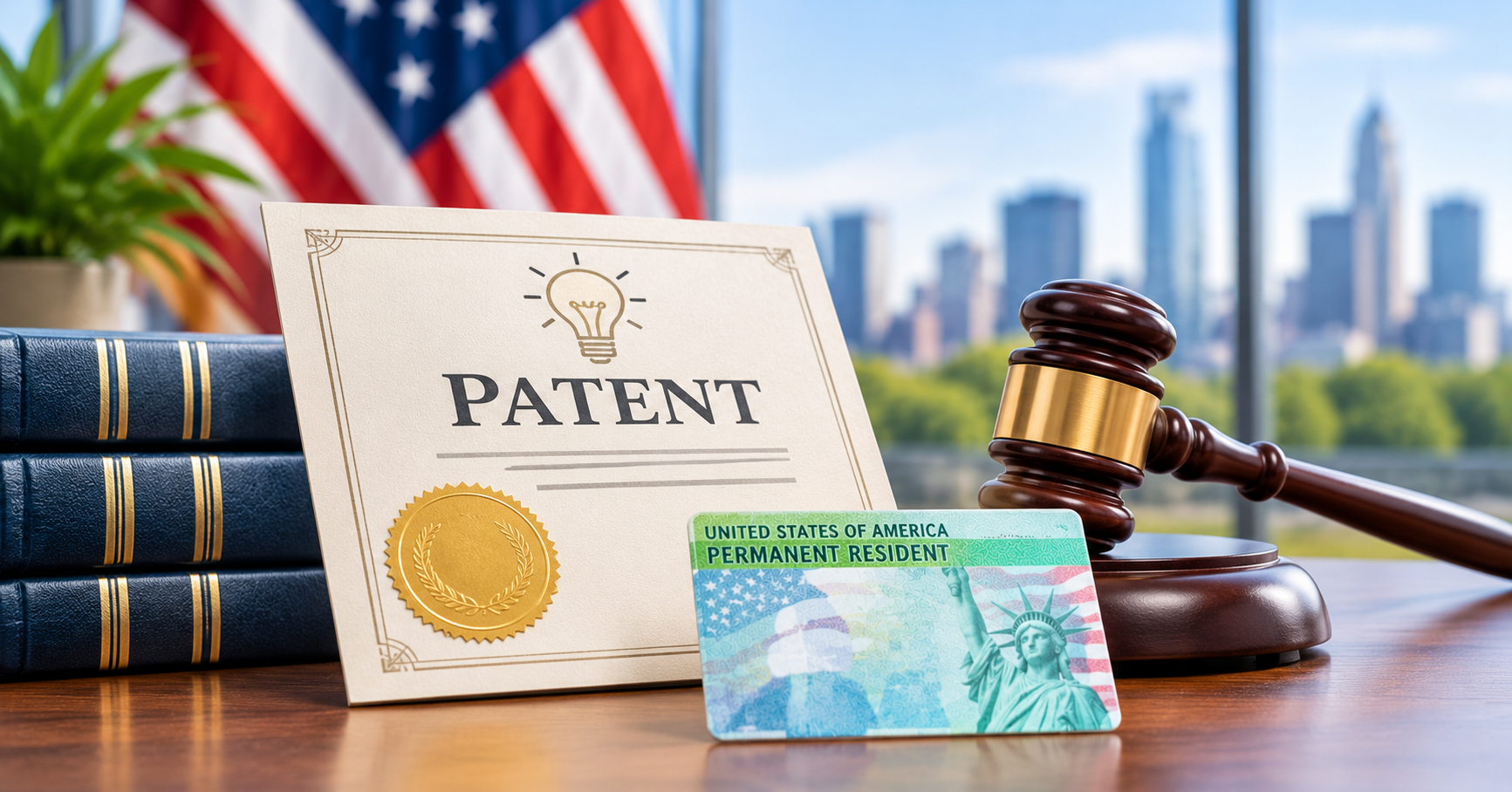
Can Patents Help Establish Eligibility for an EB-1A Green Card?
Introduction
Yes, patents can help establish eligibility for an EB-1A green card, particularly for inventors, researchers, engineers, entrepreneurs, and technology professionals. A patent may demonstrate originality, technical innovation, and professional contributions. However, simply holding a patent does not automatically qualify someone for an EB-1A visa. U.S. Citizenship and Immigration Services (USCIS) considers the significance of the invention and the applicant’s overall record of achievement.
How Can Patents Support an EB-1A Petition?
The EB-1A category is intended for individuals who have demonstrated extraordinary ability in sciences, arts, education, business, or athletics. Applicants must establish sustained national or international recognition and provide evidence of achievements in their field.
Patents may support an EB-1A petition under the criterion relating to original scientific, scholarly, artistic, athletic, or business-related contributions of major significance. For example, an inventor who develops a technology that substantially improves an industry’s operations may use the patent as evidence of an original contribution. Supporting documents can include evidence of commercial use, industry adoption, licensing agreements, citations by other inventors, or recognition from independent experts.
A patent may also strengthen other parts of an application. For instance, evidence that an invention received industry awards, attracted significant media attention, or influenced professional practices may help demonstrate broader recognition of the applicant’s work.
Does Having a Patent Guarantee EB-1A Approval?
No. USCIS does not treat every patent as proof of extraordinary ability. A granted patent establishes that an invention met applicable patentability requirements, but it does not necessarily establish that the invention has had a major impact on the applicant’s field.
The quality and influence of the invention are often more important than the number of patents an applicant holds. A portfolio of patents with little evidence of practical influence may be less persuasive than one important patent that has transformed an industry or received significant professional recognition.
Applicants should therefore provide evidence explaining why their patented work matters. Independent expert testimonials, licensing records, commercial success, documented industry adoption, and evidence of influence on subsequent innovations may help establish the importance of the contribution.
USCIS also evaluates the petition as a whole. Applicants generally must meet at least three of the ten EB-1A evidentiary criteria, unless they have received a qualifying one-time major internationally recognized award, and must satisfy the overall extraordinary ability standard.
Conclusion
Patents can be valuable evidence in an EB-1A green card application, especially when they demonstrate original contributions with significant influence in a professional field. However, patent ownership alone is not enough; applicants must establish the importance and recognition of their work through credible supporting documentation.
This article provides general information and does not constitute legal advice. EB-1A eligibility depends on individual qualifications and supporting evidence. Consulting an experienced U.S. immigration attorney can help determine how patents and other professional achievements may support your particular immigration petition.