
Employment Immigration : What You Should Know About Visa Stamping

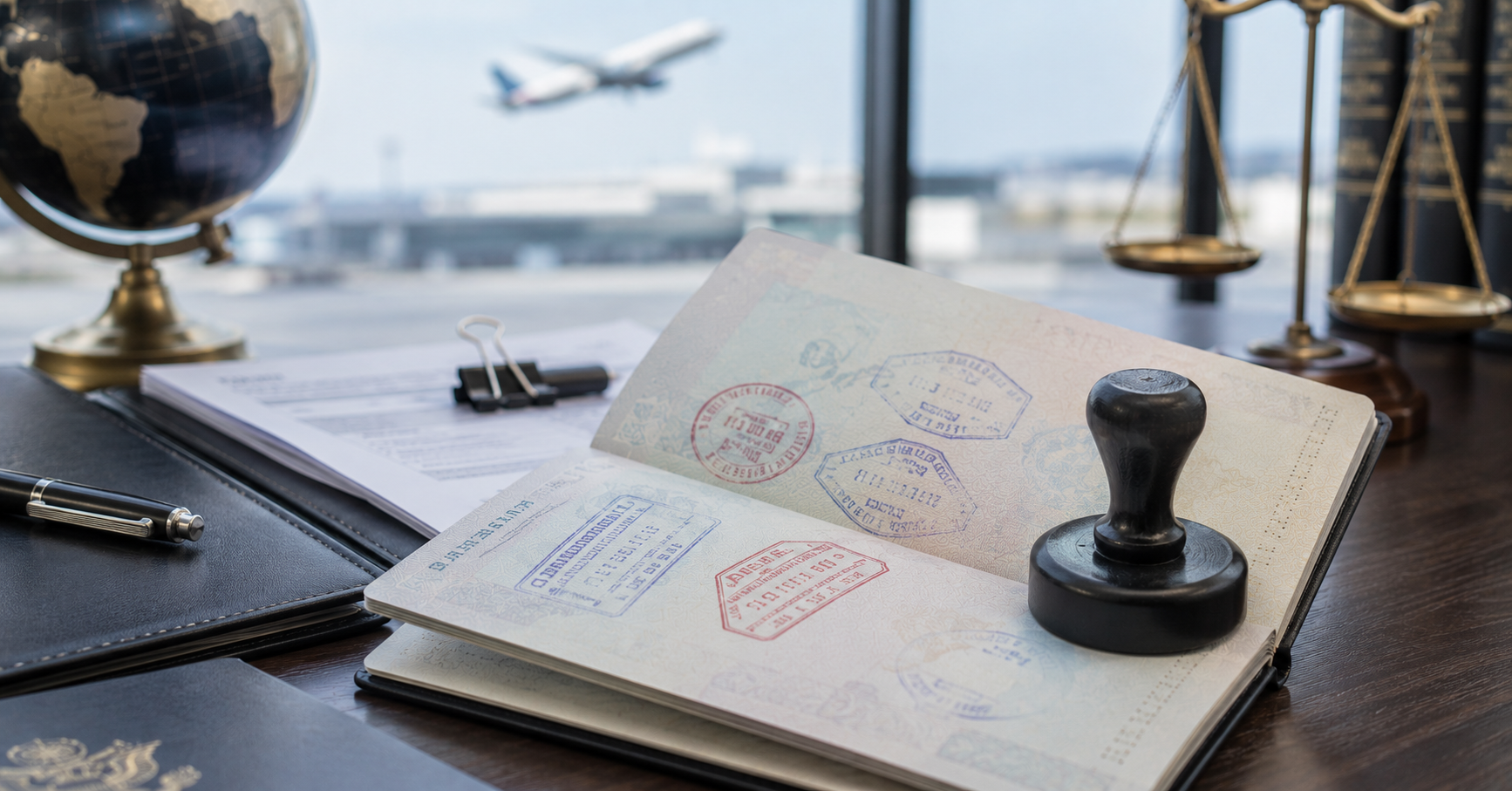
Employment Immigration: What You Should Know About Visa Stamping
Introduction
For many employment-based immigrants and temporary workers, obtaining a U.S. visa stamp is an important step when traveling internationally and seeking admission to the United States. A visa stamp is placed in a passport by a U.S. Embassy or Consulate outside the United States. It is important to understand that visa issuance is separate from the underlying immigration petition approved by U.S. Citizenship and Immigration Services (USCIS).
What Is Visa Stamping?
Visa stamping generally refers to the process of applying for a U.S. visa at a U.S. Embassy or Consulate abroad. For temporary employment categories, such as H-1B or L-1, an applicant generally completes the appropriate online visa application, schedules an interview when required, and provides supporting documentation. The Department of State explains that the exact application process can vary by embassy or consulate. (Travel.state.gov)
An approved USCIS petition does not automatically guarantee that a visa will be issued. A consular officer independently determines whether the applicant qualifies for the requested visa under applicable U.S. immigration law. Additional documentation or administrative processing may sometimes be required. (Travel.state.gov)
Applicants should generally be prepared to provide a valid passport, the applicable visa application confirmation, evidence relating to the approved petition, and any other documents required by the particular consular post. Applicants should carefully review the instructions of the embassy or consulate where they intend to apply because procedures and document requirements can vary.
What Happens After the Visa Is Issued?
A visa allows a traveler to seek admission to the United States at a port of entry; it does not itself guarantee admission. When the traveler arrives, U.S. Customs and Border Protection determines whether the person may enter and the period of authorized stay. The admission record, including the Form I-94 where applicable, is important evidence of the authorized period of stay. (Travel.state.gov)
Visa validity and authorized stay are also different concepts. A person may sometimes remain in the United States during an authorized period even if the visa in the passport expires while the person is inside the country. (Travel.state.gov)
Visa applicants should also consider timing carefully. The Department of State notes that some applications require additional administrative processing after the interview. For employment-based immigrant visas, visa availability and priority dates can also affect when an immigrant visa may be issued. (Travel.state.gov)
Conclusion
Visa stamping can be an important part of the employment immigration process, but the requirements and potential issues vary depending on the visa category and individual circumstances. This article provides general information only and does not constitute legal advice. Because visa applications, travel, and admission to the United States can involve significant legal considerations, prospective applicants should consult a qualified immigration attorney regarding their specific situation.