
Citizenship : Common Mistakes When Applying for Naturalization

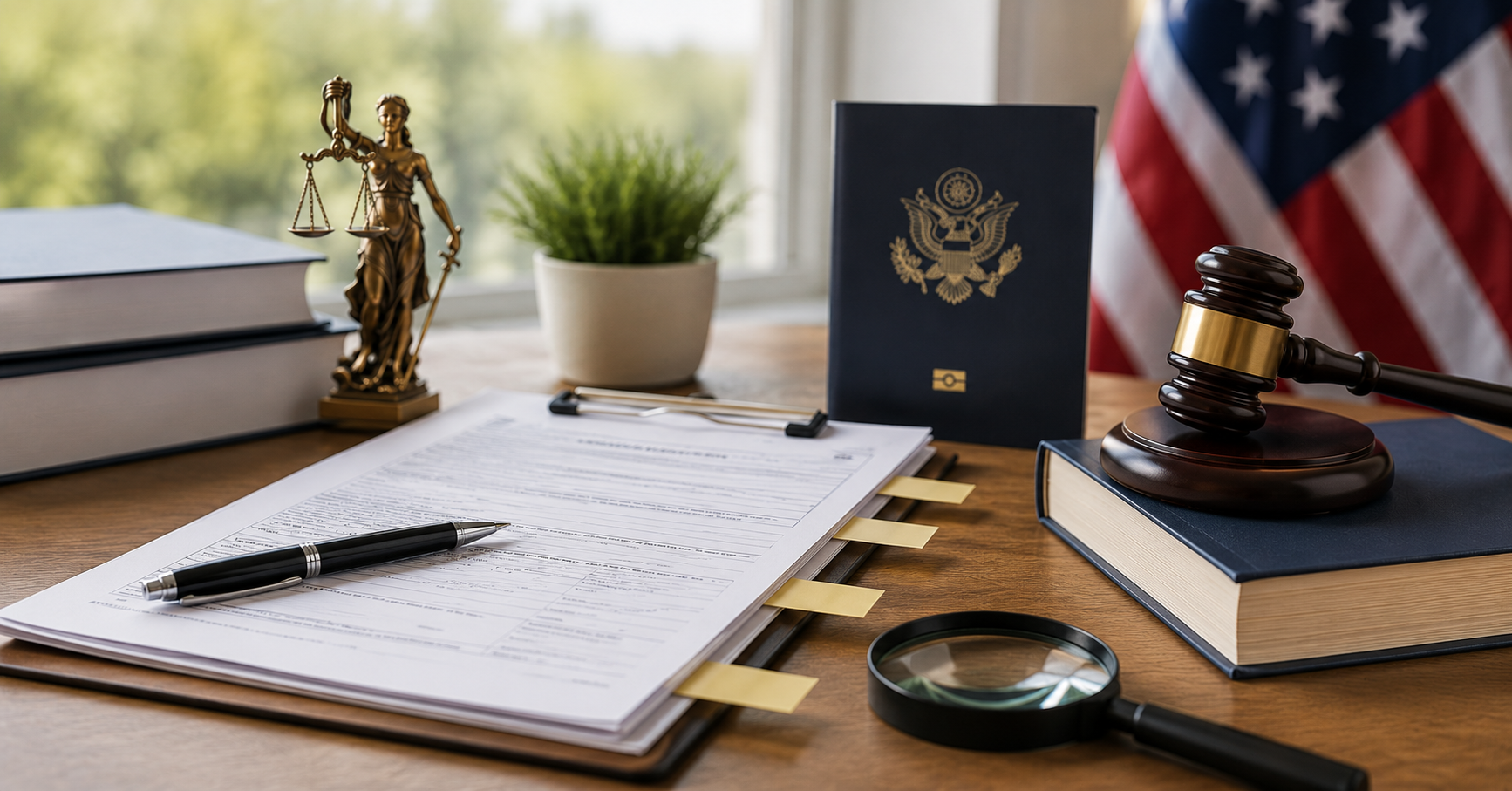
Citizenship: Common Mistakes When Applying for Naturalization
Introduction
Applying for U.S. citizenship through naturalization is an important step, but mistakes in the application can create delays, requests for additional information, or other complications. Some errors are simple, such as providing incomplete information, while others may involve an applicant’s immigration history or eligibility. Understanding common issues can help applicants approach the process more carefully.
Mistakes in the Naturalization Application
One common problem is failing to provide complete and accurate information on Form N-400. Applicants must answer questions about their residence, employment, travel, family, and other aspects of their background. Leaving out information or providing answers that do not match previous immigration filings can raise questions during the review process.
Travel history is another area that deserves careful attention. Applicants should accurately report trips outside the United States and consider whether extended absences could affect the continuous residence or physical presence requirements. Simply counting the number of days spent abroad may not address every issue that could arise from an applicant’s travel history.
Applicants should also review their eligibility before filing. Meeting the required period as a lawful permanent resident does not automatically mean every naturalization requirement has been satisfied. Issues involving residence, physical presence, good moral character, or other eligibility requirements may need to be considered based on the applicant’s circumstances.
Problems During the Interview and Application Process
Another potential mistake is being unprepared for the naturalization interview. Applicants generally need to understand the information contained in their application and be prepared to answer questions truthfully. Depending on the circumstances, they may also need to complete the required English and civics testing. Certain applicants may qualify for an exception, exemption, or accommodation.
Applicants should also promptly review communications from U.S. Citizenship and Immigration Services (USCIS). Missing an appointment or failing to respond appropriately to a request can affect the progress of an application. Keeping copies of submitted forms and supporting documents can also make it easier to identify and address inconsistencies if questions arise.
Conclusion
Naturalization applications require careful attention to eligibility, accuracy, and an applicant’s complete immigration history. Avoiding common mistakes can help reduce preventable complications, but every case is different. This article is provided for general informational purposes only and does not constitute legal advice. Individuals considering naturalization should consult a qualified immigration attorney regarding their specific circumstances before filing or responding to questions from USCIS.