
Citizenship : What Evidence Helps Civics Test Applications?

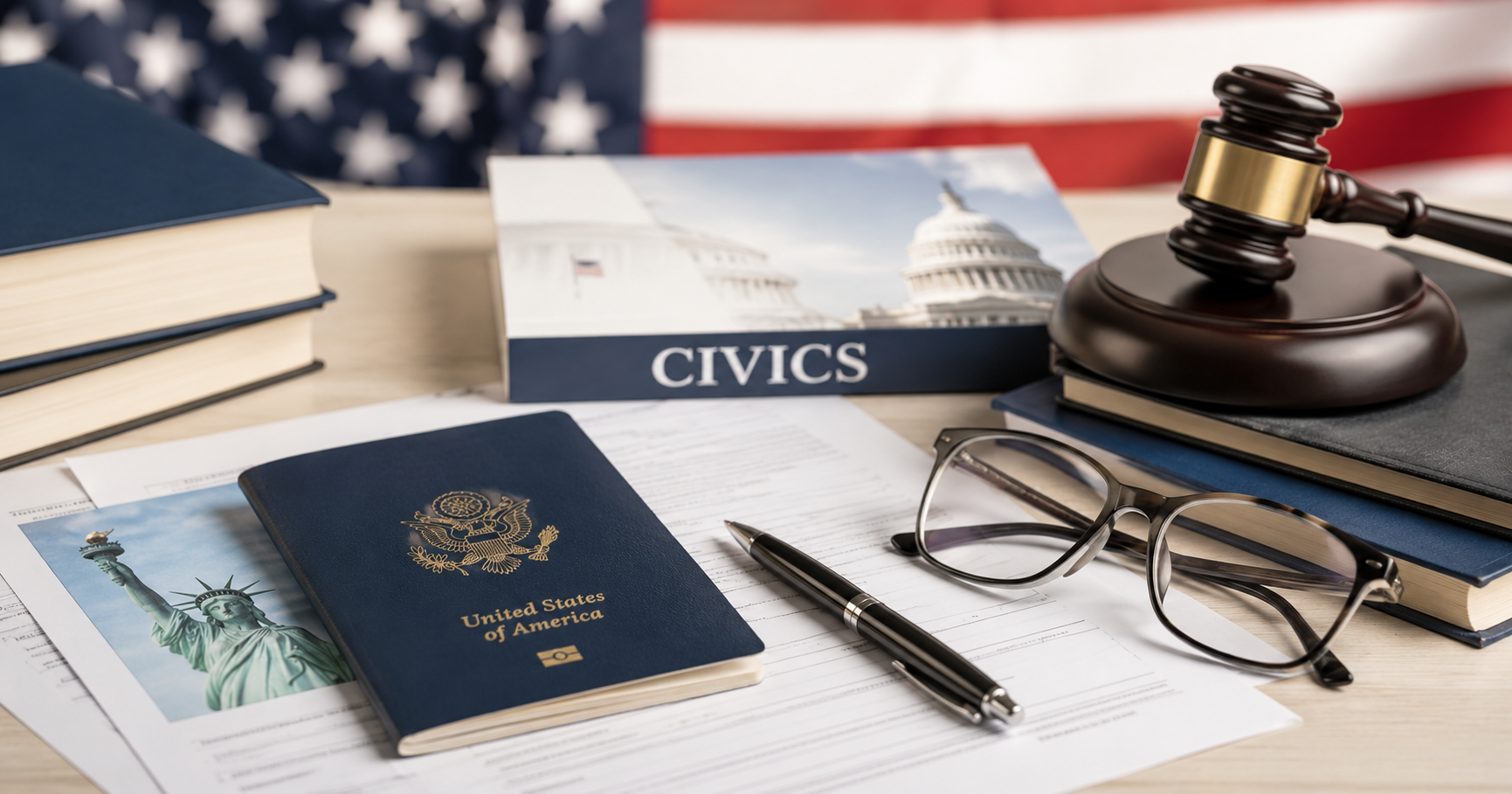
Citizenship: What Evidence Helps Civics Test Applications?
Introduction
The civics test is an important part of the U.S. naturalization process. Applicants are generally expected to demonstrate an understanding of basic U.S. history and government during their naturalization interview. Although the civics test itself is based on questions and answers, applicants should also bring documents that support the information provided in their naturalization application and help establish eligibility.
Documents to Bring to the Naturalization Interview
The evidence an applicant needs can vary depending on their individual circumstances. Generally, applicants should bring their naturalization interview notice and the original documents requested by U.S. Citizenship and Immigration Services (USCIS). A valid or expired green card may also be relevant, along with identification documents and other immigration records.
Applicants should review their Form N-400 before the interview and consider whether any information has changed since filing. Changes involving an address, employment, marital status, travel, or other significant circumstances may need to be addressed during the interview.
Additional documents may be important when an applicant’s eligibility depends on particular circumstances. For example, applicants may need evidence relating to a marriage, prior immigration history, military service, or extended travel outside the United States. Certified translations may also be necessary for documents that are not in English.
Preparing for the Civics Test and Interview
Evidence does not replace preparation for the civics test. Applicants should study the applicable USCIS civics questions and understand that the questions and testing procedures can depend on when the naturalization application was filed and the applicant’s eligibility for an exception or accommodation.
It is also important to answer questions truthfully and consistently. USCIS may review the information provided on the N-400 and ask follow-up questions during the interview. Applicants should therefore be familiar with the information in their application and be prepared to explain relevant changes or circumstances.
Conclusion
Strong preparation for a naturalization interview involves more than studying for the civics test. Having appropriate supporting documents and ensuring that the information in the application remains accurate can help an applicant be prepared for the interview. This article provides general information and is not legal advice. Because documentation requirements can vary based on individual circumstances, applicants with questions about what evidence they should provide should consider consulting a qualified immigration attorney for advice regarding their specific situation.