
Citizenship : Common Mistakes When Applying for Form N-600

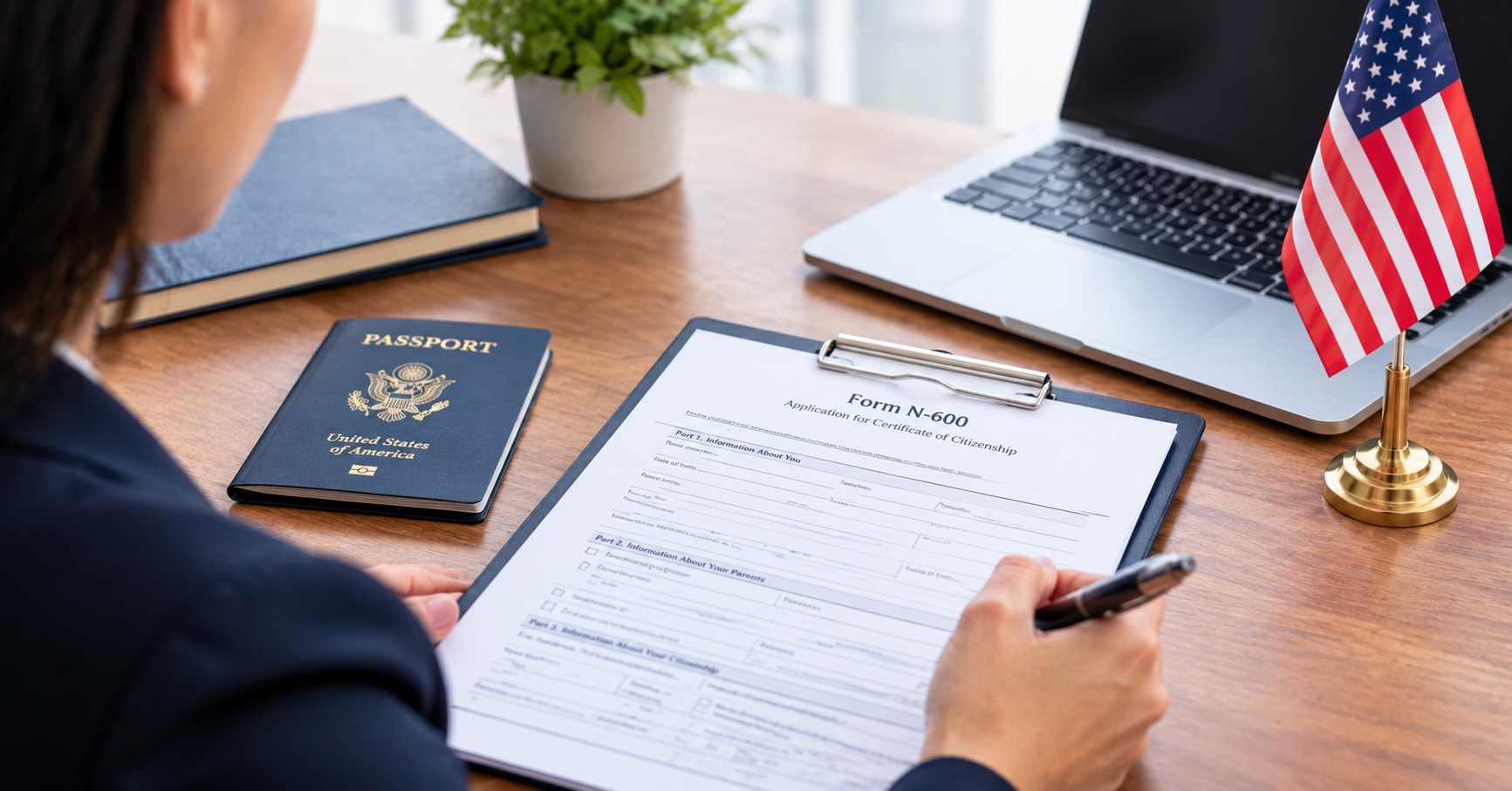
Citizenship: Common Mistakes When Applying for Form N-600
Introduction
Form N-600, Application for Certificate of Citizenship, can help eligible individuals obtain official documentation of U.S. citizenship acquired or derived through a parent. Because eligibility depends on the specific facts and applicable law, mistakes in the application or supporting evidence can create unnecessary delays or complications.
Mistakes With Eligibility and Supporting Documents
One common mistake is assuming that every person with a U.S.-citizen parent automatically qualifies for a Certificate of Citizenship under the same rules. Citizenship claims can depend on factors such as the applicant’s date of birth, the parent’s citizenship status, and, in some circumstances, residence, physical presence, custody, or other requirements. Understanding the basis of the citizenship claim before filing is important.
Another problem is submitting incomplete or inconsistent documentation. Depending on the circumstances, an applicant may need evidence such as a birth certificate, proof of a parent’s U.S. citizenship, marriage or divorce records, adoption documents, or evidence relating to residence or physical presence. Documents should support the specific citizenship claim and be consistent with the information provided on Form N-600.
Applicants should also avoid overlooking changes or discrepancies in names, dates, places of birth, or family information. Differences between records do not necessarily prevent an application from succeeding, but they may require an explanation or additional evidence.
Filing Errors and Responding to USCIS
Carefully completing Form N-600 is another important part of the process. Leaving required information incomplete, providing inaccurate answers, or submitting evidence that does not address the applicable citizenship requirements can make the case more difficult to evaluate. Applicants should review the completed application and supporting documents before submission.
After filing, USCIS may review the evidence and may request additional information or documentation. A request from USCIS should be read carefully and answered within the applicable timeframe. Applicants should keep copies of the submitted application and supporting materials for their records.
It is also important to understand that Form N-600 is generally used to document citizenship that has already been acquired or derived; it is not the same as applying for citizenship through naturalization with Form N-400.
Conclusion
Avoiding common mistakes can help an applicant present a clearer and more complete Form N-600 application. However, the correct evidence and eligibility requirements depend on the circumstances of each citizenship claim. This article provides general informational guidance and is not legal advice. Individuals with questions about Form N-600 or their eligibility should consider consulting a qualified immigration attorney about their specific situation.