
Citizenship : What You Should Know About Dual Citizenship

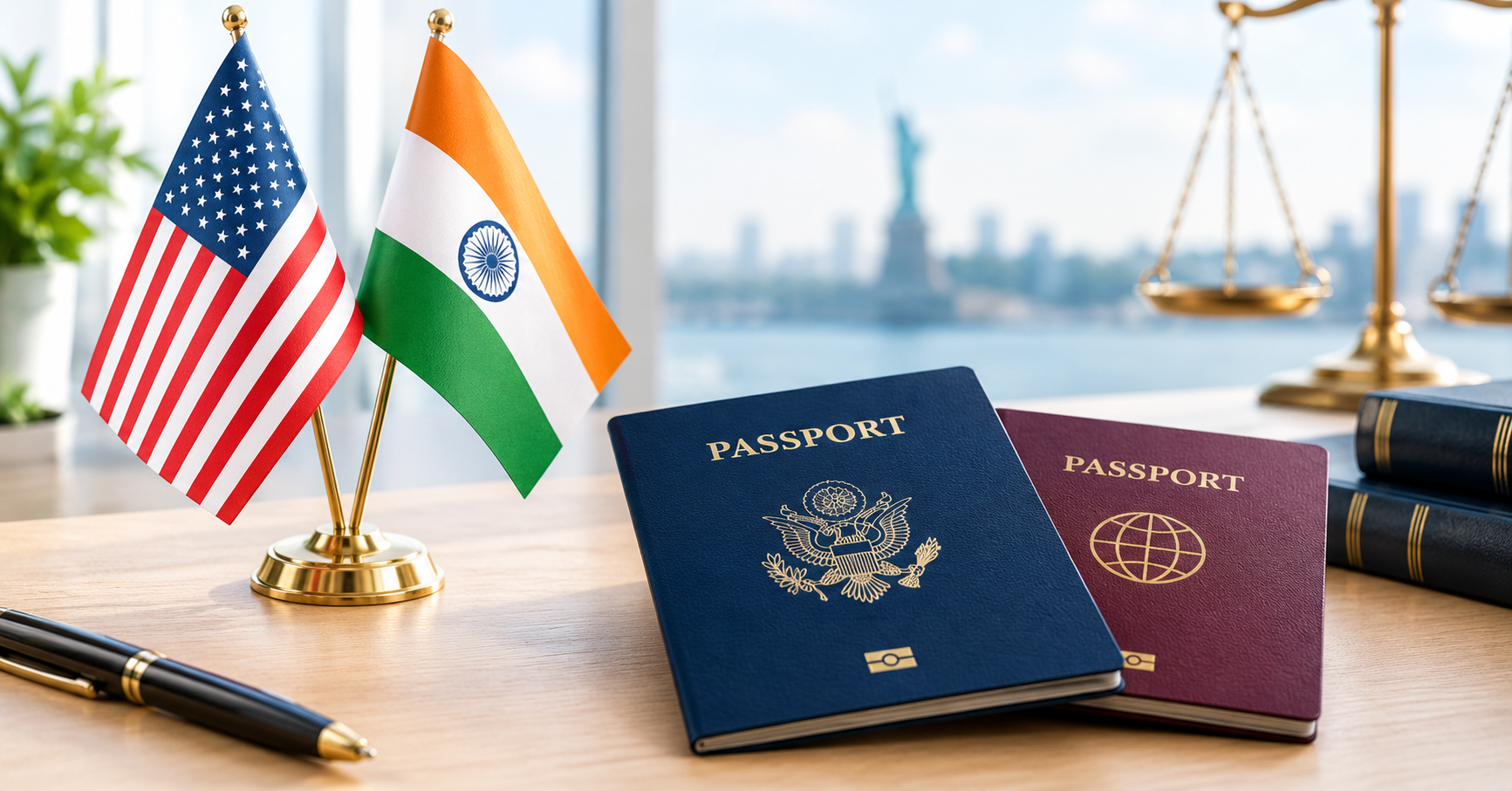
Citizenship: What You Should Know About Dual Citizenship
Introduction
Dual citizenship generally means that a person is legally recognized as a citizen of two countries at the same time. For people who become U.S. citizens while maintaining citizenship in another country, understanding how both countries treat dual nationality can help avoid unexpected legal or travel issues.
How Dual Citizenship Works in the United States
U.S. law generally does not require a person to automatically give up another citizenship when becoming a U.S. citizen. Likewise, a person who already holds another nationality may become a U.S. citizen through naturalization without necessarily losing their original citizenship under U.S. law.
However, the other country may have its own rules. Some countries recognize dual citizenship, while others may restrict it or provide that citizenship is lost when a person voluntarily acquires another nationality. Before applying for U.S. citizenship, applicants should understand how naturalization could affect their status under the laws of their other country.
Dual citizens also have responsibilities associated with each nationality. For example, U.S. citizens generally remain subject to U.S. laws and tax rules even when they live outside the United States. A second country may impose its own obligations as well.
Travel and Other Considerations for Dual Citizens
Travel can require particular attention. The U.S. Department of State generally advises U.S. citizens, including dual nationals, to use a valid U.S. passport when entering or leaving the United States. The other country may have separate passport or entry requirements for its citizens.
Dual citizenship can also affect interactions with foreign governments. A country may treat a dual national solely as its citizen while that person is within its territory. In some circumstances, this may limit the ability of U.S. authorities to provide consular assistance.
Becoming a dual citizen can provide important benefits, but it can also create responsibilities. The rules may depend on how citizenship was acquired, the laws of the other country, travel circumstances, and the individual’s personal situation.
Conclusion
Dual citizenship can offer valuable opportunities while creating legal responsibilities in more than one country. Because citizenship and nationality laws can be complex and vary between countries, individuals considering naturalization or concerned about maintaining another citizenship should consult a qualified immigration attorney about their specific circumstances. This article provides general informational guidance and is not a substitute for individualized legal advice.