
Citizenship : Common Mistakes When Applying for Dual Citizenship

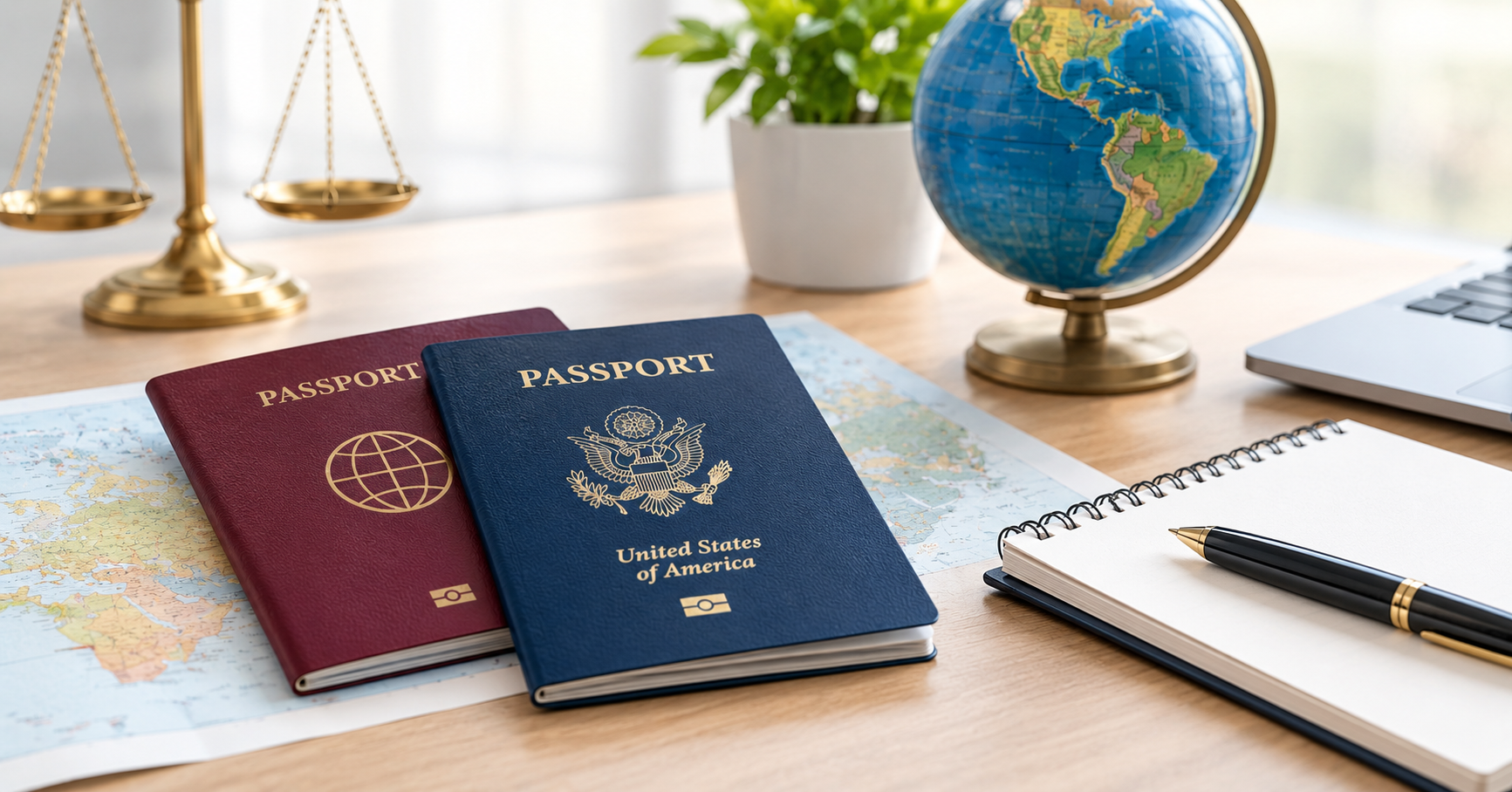
Citizenship: Common Mistakes When Applying for Dual Citizenship
Introduction
Dual citizenship can provide important benefits, but the process of becoming a citizen of two countries can involve complicated requirements. People considering U.S. citizenship while maintaining another nationality should understand the rules that apply to both countries and avoid common mistakes that could create unnecessary problems.
Failing to Understand Both Countries’ Citizenship Rules
One common mistake is assuming that every country permits dual citizenship in the same way. U.S. law generally does not require a person to automatically surrender another nationality when becoming a U.S. citizen. However, the person’s other country of citizenship may have different rules concerning the acquisition of a second nationality.
Before applying for U.S. naturalization, applicants should learn whether their current country recognizes dual citizenship and whether obtaining U.S. citizenship could affect their existing nationality. Relying only on U.S. immigration rules may leave important questions unanswered.
Another mistake is assuming that holding two citizenships means having identical rights and responsibilities in both countries. Each country may impose its own requirements involving passports, taxes, military service, registration, or other obligations. These rules can vary significantly depending on the country.
Providing Incomplete or Inaccurate Information
Applications involving citizenship require accurate and complete information. Errors involving previous names, addresses, travel history, immigration history, or other personal information can create delays or raise questions about an application.
Applicants should also be careful when answering questions about their nationality and citizenship history. A person may have acquired citizenship through birth, a parent, marriage, naturalization, or another legal process without fully understanding the consequences. Reviewing citizenship documents and records before submitting an application can help identify inconsistencies.
Travel is another area where dual citizens sometimes encounter confusion. A dual citizen may have obligations concerning which passport to use when entering or leaving a particular country. Requirements can differ by country, so travelers should verify the applicable rules before making international travel plans.
Conclusion
Dual citizenship can offer valuable opportunities, but it also comes with responsibilities that may differ between countries. Understanding the applicable citizenship rules and providing accurate information are important steps in avoiding unnecessary complications. This article provides general information and is not legal advice. Individuals considering dual citizenship should consult a qualified immigration attorney about their specific circumstances.