
Citizenship : What Evidence Helps Dual Citizenship Applications?

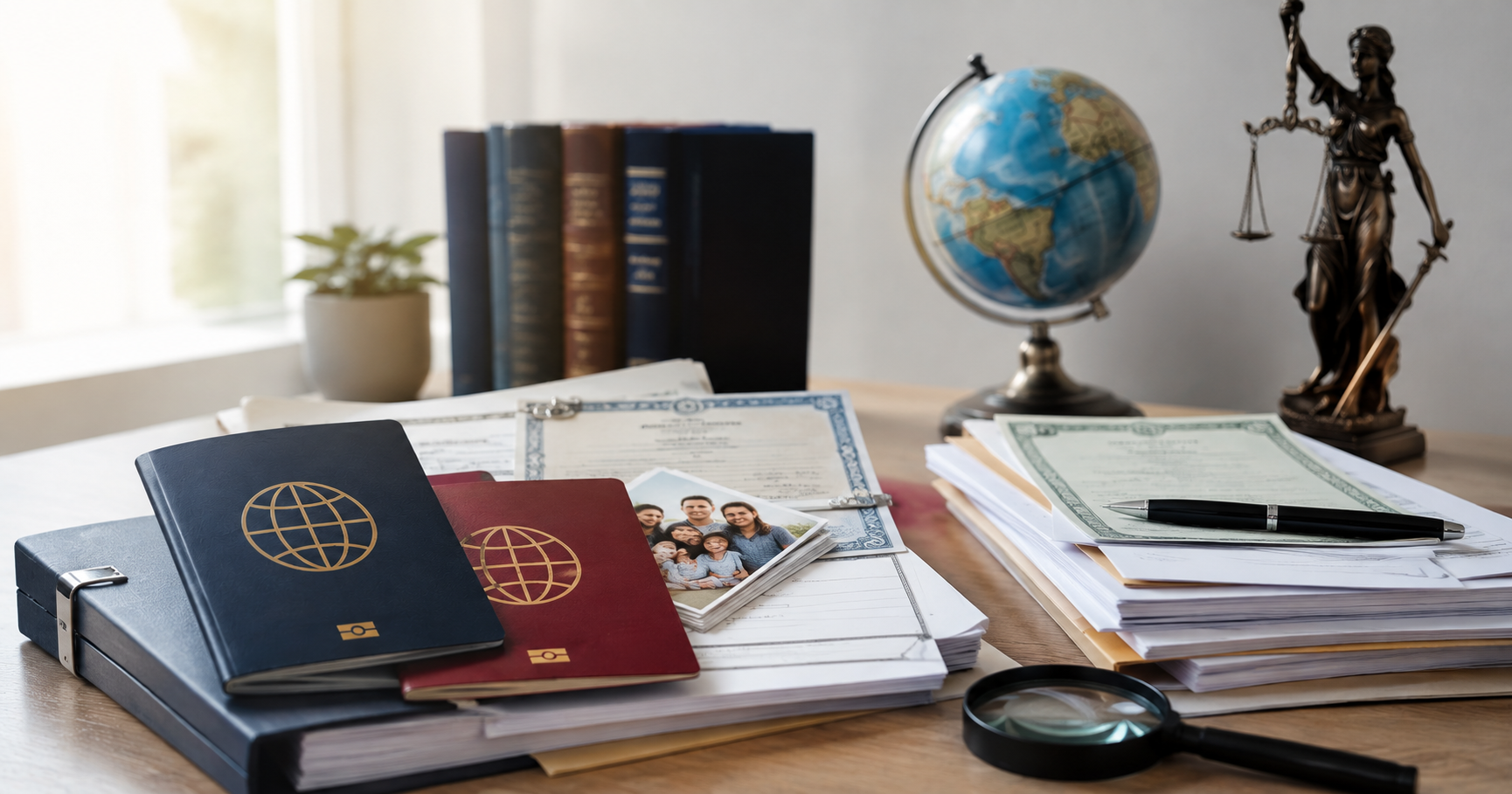
What Evidence Helps Dual Citizenship Applications?
Introduction
Dual citizenship can provide important benefits, but establishing citizenship in two countries may require careful documentation. The evidence needed depends on the countries involved and the basis for claiming citizenship. Applicants may need to demonstrate their identity, family relationships, place of birth, or other facts that establish a legal connection to a country.
Documents That May Support a Citizenship Claim
Birth certificates are often important evidence when citizenship is based on a person’s place of birth or parentage. Depending on the circumstances, applicants may also need their parents’ birth certificates, marriage certificates, or proof of their parents’ citizenship.
Passports, naturalization certificates, citizenship certificates, and other government-issued records can help establish a person’s citizenship history. Documents showing changes in names, such as marriage certificates or court orders, may also be relevant when the names appearing on different records do not match.
For citizenship claims based on a parent or other family connection, authorities may require documents that establish the relationship between the applicant and the person through whom citizenship is claimed. This may involve records for several generations.
Organizing and Verifying Your Evidence
Evidence should generally be consistent across the application. Differences in names, dates of birth, places of birth, or family information can create questions and may require additional documentation or an explanation.
Some foreign documents may also need to be translated or authenticated according to the requirements of the country processing the citizenship application. Requirements can vary significantly, so applicants should review the applicable government’s instructions before submitting documents.
It is also important to distinguish between proving citizenship and simply showing eligibility to apply. A person may have a potential claim to citizenship but still need specific documentation to establish that claim. In some cases, records may be unavailable, incomplete, or difficult to obtain, which can make the process more complicated.
Conclusion
Strong supporting evidence can make a dual citizenship application clearer and help establish the facts on which the claim is based. Because citizenship laws and documentation requirements vary between countries, applicants should carefully determine which records are relevant to their particular claim.
This article provides general informational guidance and is not legal advice. Individuals considering a dual citizenship application should consult a qualified immigration or nationality attorney regarding the evidence required for their specific circumstances.