
Student : What Evidence Helps J-1 Status Applications?

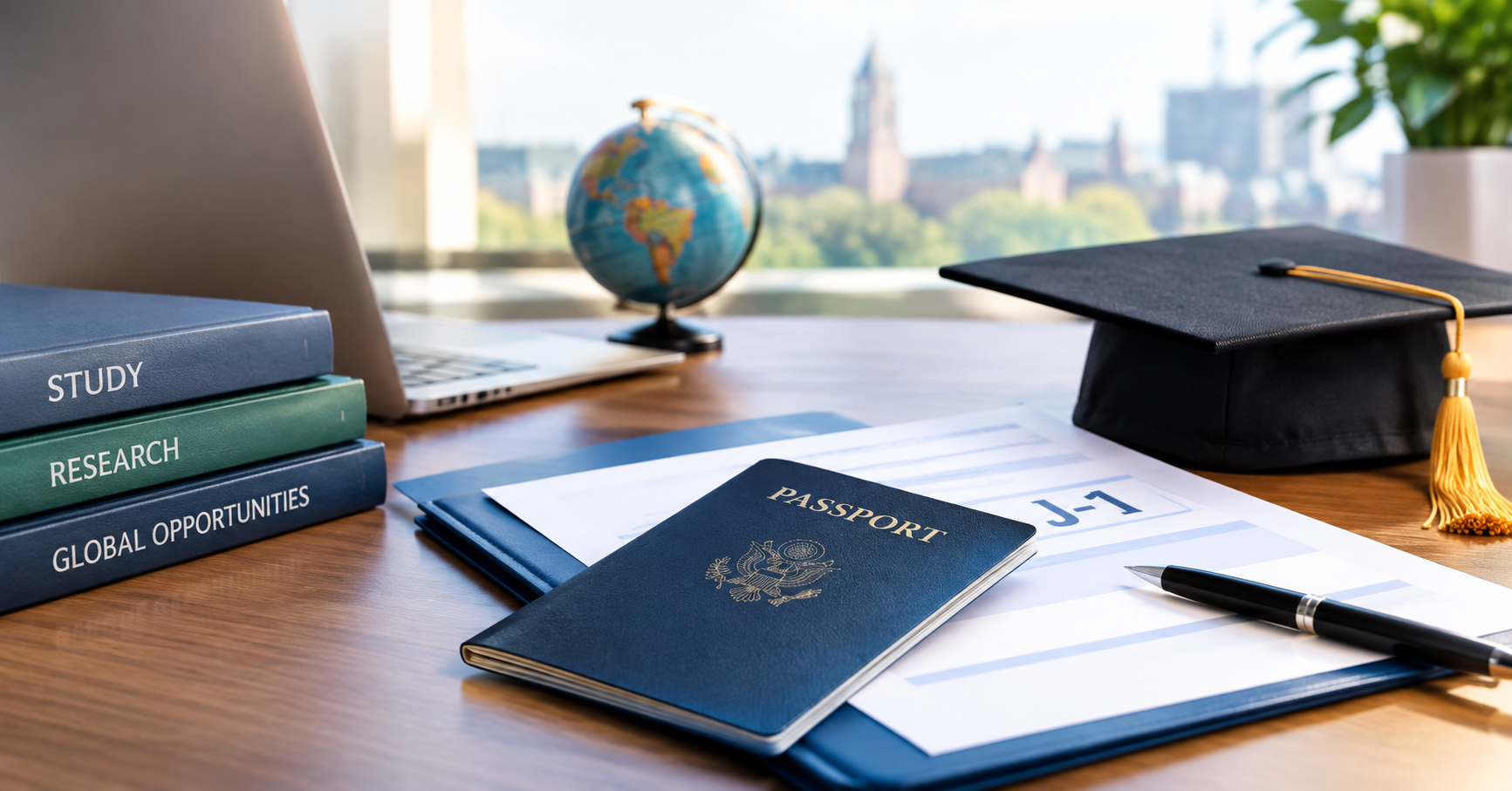
What Evidence Helps J-1 Status Applications?
Introduction
J-1 exchange visitor applications generally require documents that show the applicant’s identity, exchange program, qualifications, financial support, and purpose for coming to the United States. The specific evidence depends on the type of J-1 program and the applicant’s individual circumstances.
Documents Showing Your J-1 Program
One of the most important documents for a J-1 visa application is Form DS-2019, which is issued by the applicant’s designated program sponsor. It identifies the exchange visitor category, program dates, and other important program information.
Applicants may also provide documents from their sponsor or host organization confirming their participation in the exchange program. Depending on the program, this could include an invitation letter, training or internship information, university admission or appointment documentation, or other records explaining the applicant’s role.
The evidence should generally be consistent with the information on the DS-2019 and demonstrate that the applicant is pursuing the specific exchange activity for which the J-1 classification is intended.
Evidence of Qualifications and Financial Support
Applicants may need evidence showing that they meet the requirements of their particular exchange program. Depending on the category, relevant documents may include academic transcripts, diplomas, professional credentials, employment records, or evidence of relevant experience.
Financial documentation can also be important. Applicants should be prepared to demonstrate how their program expenses and living costs will be covered. Depending on the circumstances, this may include scholarship documentation, sponsorship letters, employer funding, program funding, or personal financial records.
Applicants should also carefully review whether their particular J-1 category has additional documentation requirements. For example, requirements can differ between students, interns, trainees, teachers, researchers, and other exchange visitors.
Keeping the Evidence Consistent and Complete
Strong documentation should present a clear and consistent picture of the applicant’s proposed exchange activity. Differences between the DS-2019, application forms, financial documents, academic records, or statements about the program may lead to questions or requests for clarification.
It is also important to follow the instructions provided by the U.S. embassy or consulate handling the visa application. Additional documents may be requested depending on the applicant’s circumstances.
Conclusion
The evidence needed for a J-1 status or visa application depends on the exchange visitor category, program sponsor, and individual circumstances. Applicants should carefully review their program documentation and ensure that their supporting evidence accurately reflects their proposed exchange activity. This article provides general information only and is not legal advice. Because immigration requirements can vary by situation, prospective J-1 applicants should consult a qualified immigration attorney regarding their specific circumstances.