
Student : Common Mistakes When Applying for Travel on F-1

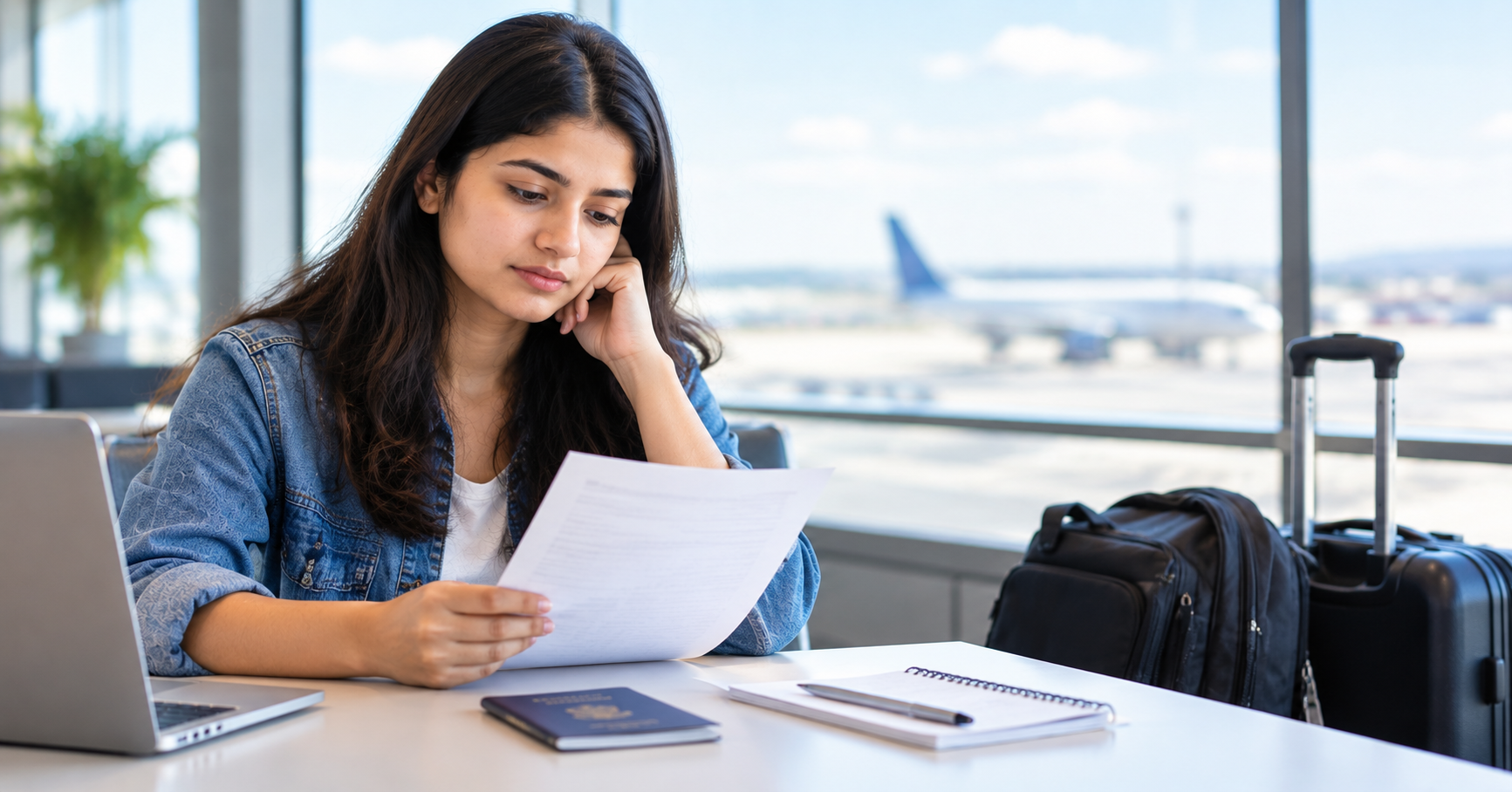
Common Mistakes When Applying for Travel on F-1 Status
Introduction
International travel can be an important part of an F-1 student’s experience, but leaving the United States requires careful preparation. Students who do not properly review their immigration documents or student records may encounter difficulties when attempting to return to the United States.
Failing to Check Travel Documents
One common mistake is traveling without confirming that the necessary documents are valid and up to date. F-1 students should generally review their passport, F-1 visa, and Form I-20 before making international travel plans. The Form I-20 should generally contain an appropriate travel endorsement from the student’s designated school official (DSO).
Students sometimes assume that having an unexpired passport is enough for international travel. However, the validity of the F-1 visa and the student’s immigration documents can also be important when seeking reentry. A visa permits a traveler to seek admission to the United States; it does not guarantee admission. The final decision is made by U.S. Customs and Border Protection at the port of entry.
Another mistake is waiting until the last minute to request a travel signature or address an issue with the student’s SEVIS record. Students should communicate with their DSO well before their planned departure so that potential documentation problems can be identified.
Overlooking Changes in F-1 Circumstances
Travel can become more complicated when a student’s circumstances have recently changed. For example, students who have changed schools, completed their academic program, begun Optional Practical Training (OPT), or are dealing with another immigration matter may need to consider additional factors before traveling.
Students should also avoid assuming that previous successful international travel guarantees that a future trip will proceed the same way. Immigration documents can expire, student records can change, and individual circumstances may be different at the time of reentry.
Another potential mistake is relying on general information about visa revalidation or other travel exceptions without confirming that the specific requirements apply. Special travel provisions may have eligibility requirements and exceptions that should be reviewed carefully.
Conclusion
F-1 students can reduce potential travel complications by reviewing their documents, communicating with their DSO, and considering how their current immigration circumstances may affect reentry. Because the consequences of international travel can vary based on an individual student’s situation, this article provides general information only and is not legal advice. Students with specific concerns should consult their DSO and, when appropriate, an experienced immigration attorney before traveling.