
Student : How to Prepare a Strong Travel on F-1 Case

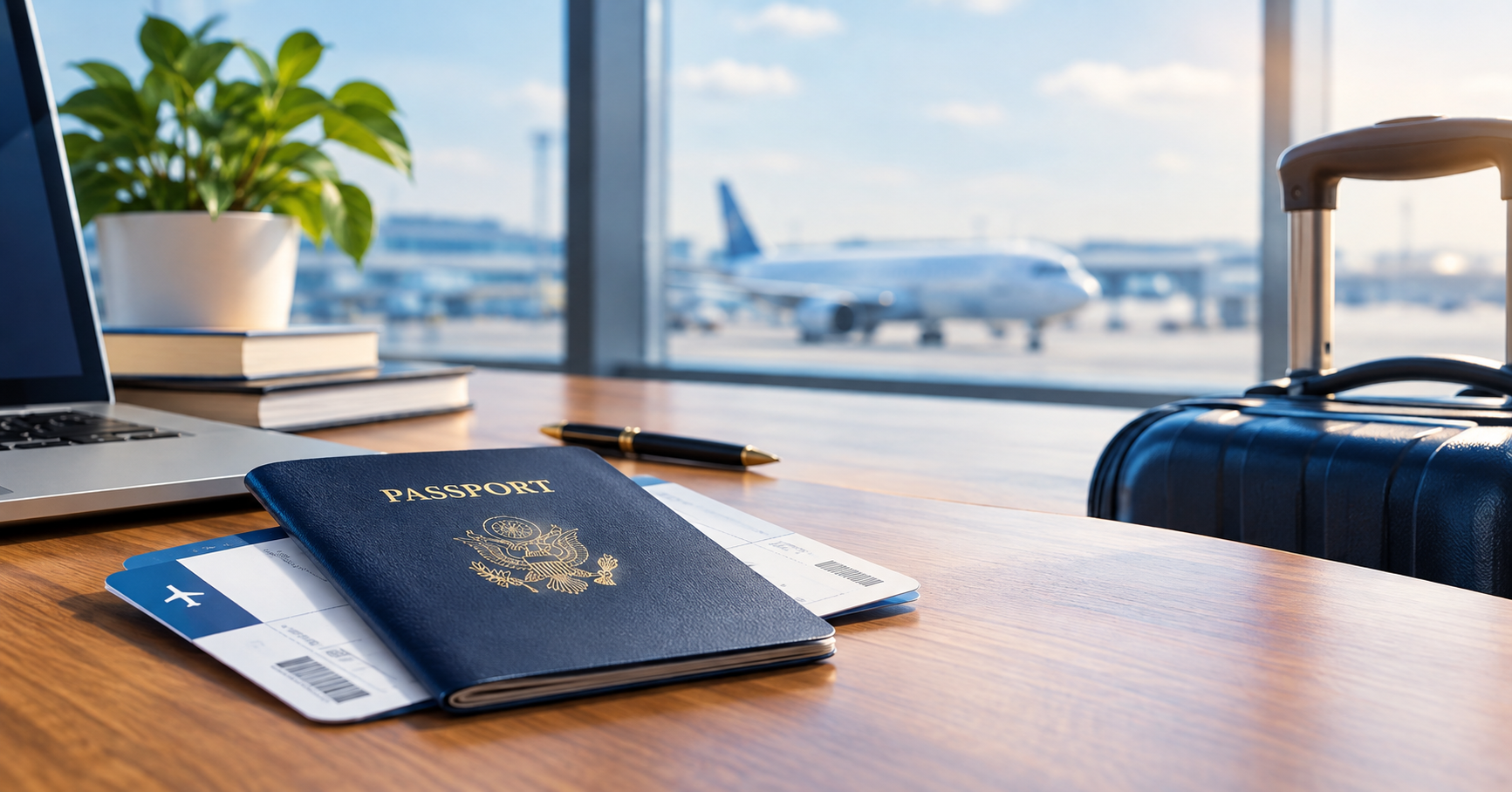
How to Prepare a Strong Travel on F-1 Case
Introduction
International travel while in F-1 status requires careful preparation. Although travel itself is generally permitted for eligible F-1 students, returning to the United States requires appropriate documentation and continued compliance with the conditions of student status. Preparing in advance can help reduce avoidable complications.
Review Your Immigration Documents
A strong travel plan begins with reviewing your immigration documents before departure. F-1 students should generally confirm that their passport is valid, their F-1 visa is appropriate for their intended return, and their Form I-20 is current and properly endorsed for travel by their designated school official (DSO).
Students should also review their SEVIS information with their school and make sure important information, such as their program and personal details, is accurate. If a travel signature is required, students should request it from their DSO before leaving the United States rather than waiting until shortly before departure.
It is also important to understand that an F-1 visa does not guarantee admission to the United States. A visa allows a traveler to seek admission, while U.S. Customs and Border Protection makes the admission decision when the student arrives at a U.S. port of entry.
Consider Your Current F-1 Circumstances
Students should consider whether anything has recently changed in their academic or immigration circumstances. A recent school transfer, program completion, change in academic program, or participation in Optional Practical Training (OPT) may affect the documents and considerations relevant to international travel.
Students with pending immigration matters should also carefully evaluate their travel plans before departing. Depending on the matter involved, international travel could have consequences that are different from those associated with ordinary F-1 travel.
Students should not rely solely on previous travel experiences. Immigration documents can expire, SEVIS records can change, and individual circumstances may be different from one trip to another. Reviewing travel plans with the DSO in advance can help identify questions that may need further attention.
Conclusion
Preparing for international travel in F-1 status involves more than simply booking a flight. Reviewing immigration documents, confirming the status of the student record, obtaining any necessary travel endorsement, and considering recent changes can help students prepare responsibly. This article provides general information and is not legal advice. Because the consequences of travel can depend on individual circumstances, students with specific concerns should consult their DSO and, when appropriate, an experienced immigration attorney before traveling.