
Student : Can You Travel During Travel on F-1?

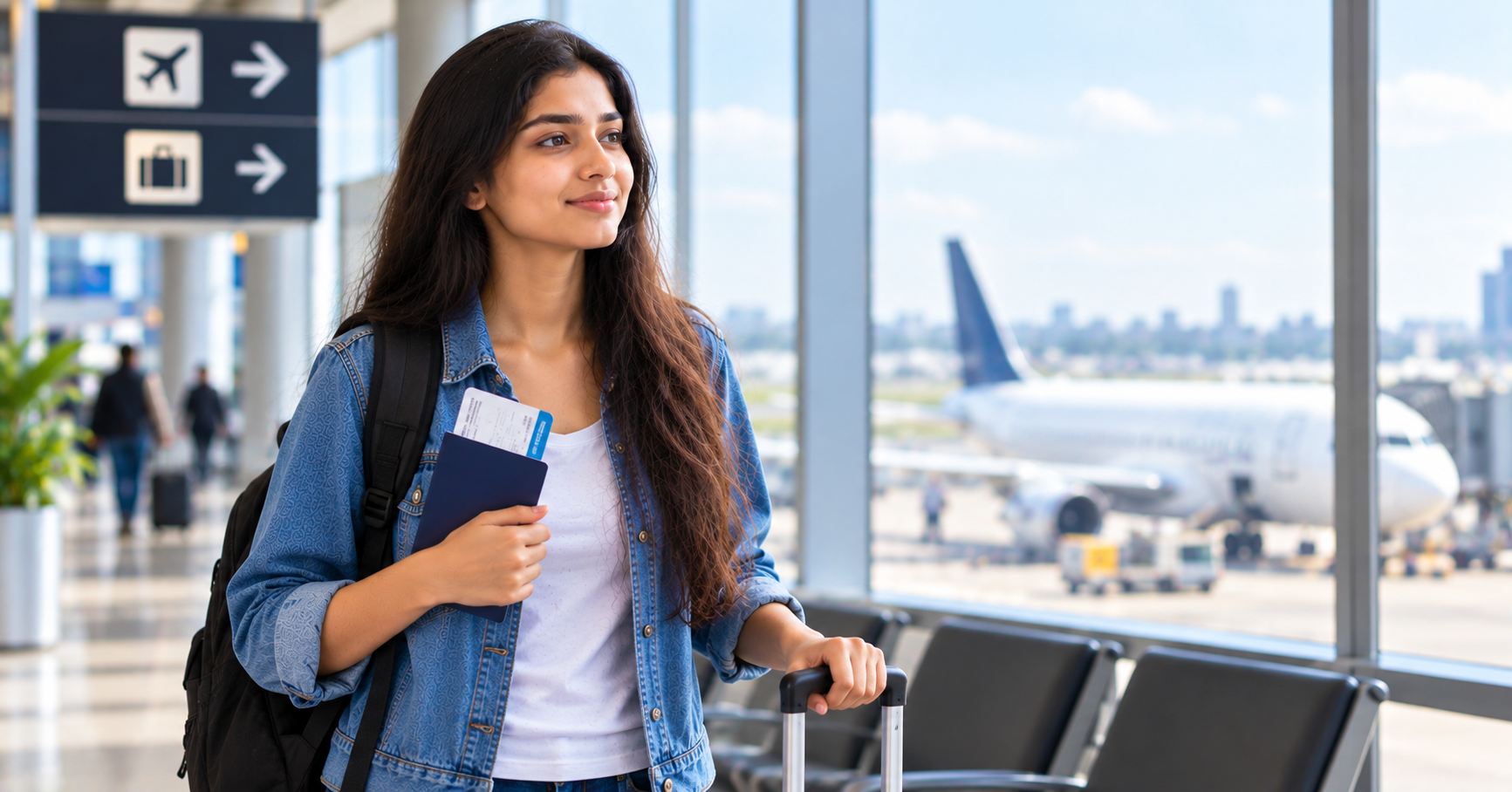
Can You Travel During F-1 Status?
Introduction
F-1 students may generally travel outside the United States while maintaining their student status, but international travel can affect their ability to return to the United States. Before leaving, students should make sure their immigration and school records are in order and understand the documents they may need for reentry. (Travel.state.gov)
What Should F-1 Students Check Before Traveling?
An F-1 student planning international travel should review the validity of their passport, F-1 visa, and Form I-20. ICE guidance states that continuing F-1 students generally need a current Form I-20 endorsed for travel by their Designated School Official (DSO). The student’s SEVIS record should also be accurate and up to date. (U.S. Immigration and Customs Enforcement)
A valid visa is generally needed to request admission to the United States after traveling abroad. However, having a valid visa does not guarantee entry. A U.S. Customs and Border Protection officer makes the admission decision at the port of entry after reviewing the travel documents and circumstances. (Travel.state.gov)
Students should also consider whether their visa will remain valid for their return trip. If a visa has expired, limited exceptions may apply, including certain short trips to Canada, Mexico, or an adjacent island under the automatic-revalidation rules. These rules have specific requirements and exceptions, so students should review them carefully before relying on this provision. (Travel.state.gov)
When Can Travel Create Problems?
Travel may require additional planning if an F-1 student’s visa has expired, their immigration documents need updating, or there are changes in their academic or immigration circumstances. For example, a student who needs a new visa generally must apply at a U.S. embassy or consulate before returning to the United States. Visa processing can also involve additional administrative processing. (Travel.state.gov)
Students should communicate with their DSO before international travel, particularly when their program, SEVIS record, employment authorization, or other circumstances have recently changed. Careful preparation can help identify documentation issues before the student departs.
Conclusion
F-1 students can generally travel internationally during their studies, but travel should be planned carefully because departure and reentry involve separate immigration requirements. Checking the Form I-20, visa, passport, and SEVIS information before departure can help reduce avoidable complications.
This article provides general information and is not legal advice. Immigration rules and individual circumstances can vary. Students with questions about international travel or reentry should consider consulting a qualified immigration attorney regarding their specific situation.