
USCIS : Common Mistakes When Applying for Requests for Evidence

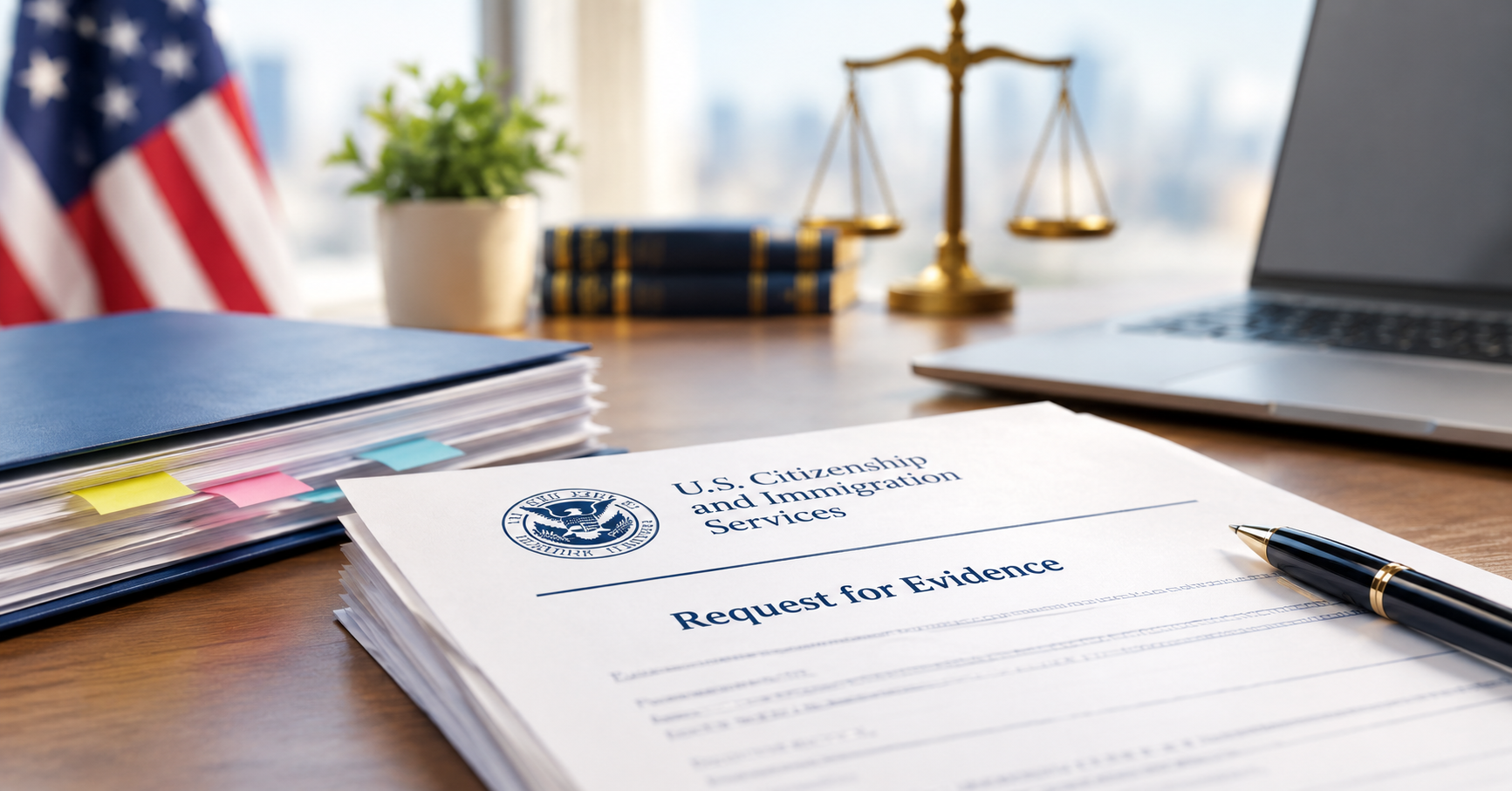
USCIS: Common Mistakes When Applying for Requests for Evidence
Introduction
A Request for Evidence (RFE) is a notice from U.S. Citizenship and Immigration Services (USCIS) requesting additional evidence related to an immigration application or petition. An RFE is not itself a denial, but the response can be important to the outcome of the case. Understanding common mistakes can help applicants avoid unnecessary problems when preparing an RFE response.
Mistakes When Reviewing the RFE
One common mistake is failing to read the entire RFE carefully. The notice generally identifies the evidence or information USCIS is requesting and provides instructions for responding. Applicants should understand exactly which eligibility issue the notice addresses rather than submitting a collection of documents without explaining their relevance.
Another mistake is overlooking the response deadline. An RFE generally specifies when USCIS must receive the response. Waiting until the last minute can create unnecessary risks, particularly when gathering records from employers, government agencies, educational institutions, or family members takes time.
Applicants may also respond only to part of the request. If USCIS identifies several issues, the response should address each one as appropriate. A partial response may leave the underlying concern unresolved.
Problems With Evidence and Organization
Submitting documents that do not directly address the RFE is another potential problem. More evidence is not necessarily better if it does not establish the eligibility issue identified by USCIS. Supporting documents should be relevant and accompanied by a clear explanation when necessary.
Applicants should also check documents for consistency. Differences in dates, names, addresses, employment information, or other important facts may require clarification. Documents in a foreign language generally need an appropriate English translation, as required by USCIS rules.
Poor organization can make a response harder to review. A well-prepared response should follow the RFE’s instructions and clearly identify the evidence being submitted. Applicants should keep a complete copy of the response and supporting documents for their records.
Finally, applicants should avoid making unsupported statements or submitting altered or inaccurate documents. Evidence submitted to USCIS should be truthful and complete. If the RFE raises a complicated legal or factual issue, simply providing additional paperwork may not adequately address the concern.
Conclusion
Responding to an RFE requires careful attention to the notice, deadline, requested evidence, and instructions for submission. Common problems include incomplete responses, irrelevant documentation, inconsistent information, and missed deadlines. This article provides general information only and is not legal advice. Individuals who receive an RFE should consider consulting a qualified immigration attorney regarding their specific circumstances and the appropriate response.