
USCIS : Common Mistakes When Applying for Biometrics

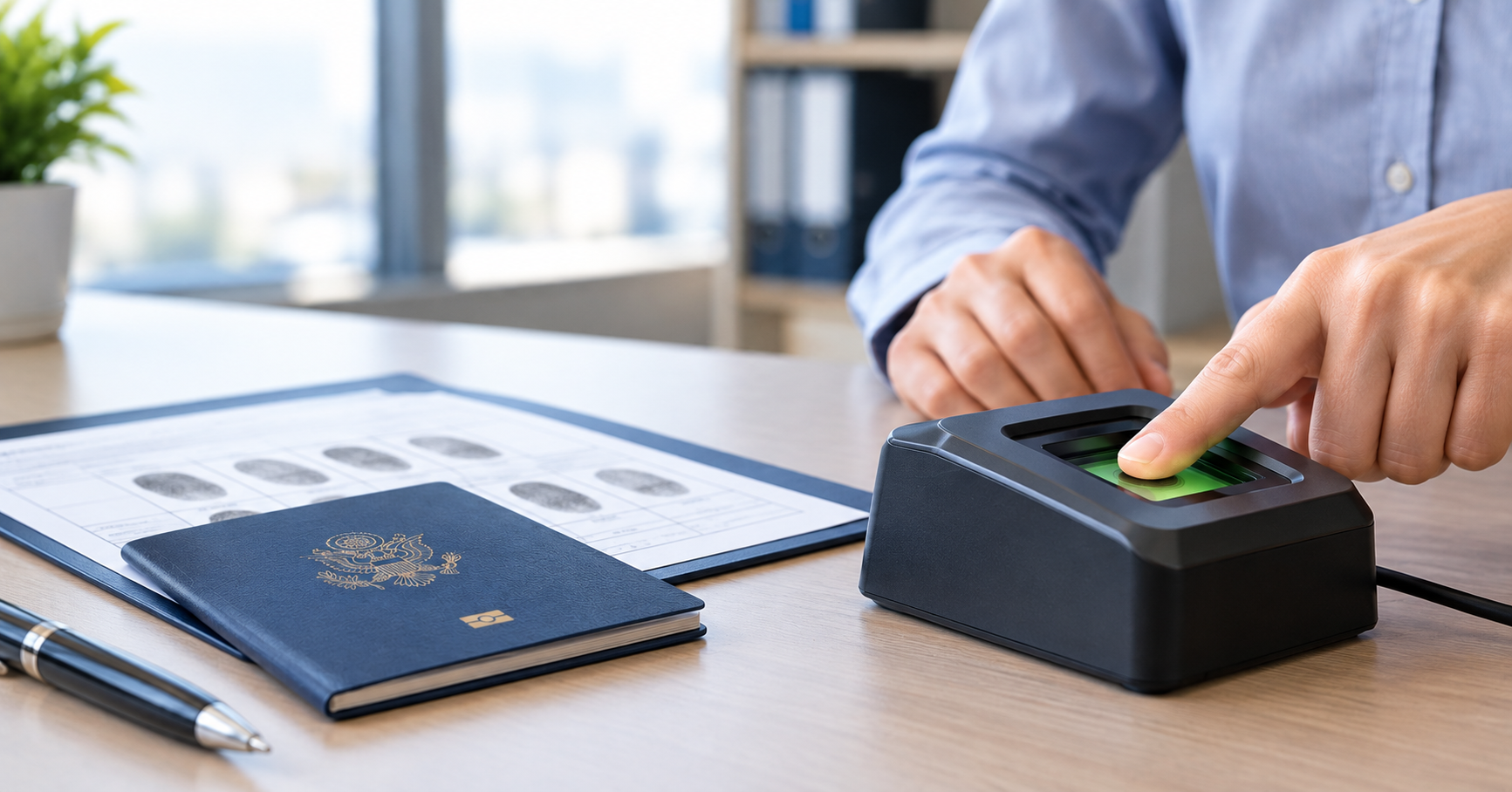
USCIS: Common Mistakes When Applying for Biometrics
Introduction
Biometrics can be an important step in many USCIS immigration cases. When required, applicants may need to provide fingerprints, a photograph, and a signature so USCIS can complete identity verification and required background and security checks. Mistakes involving a biometrics appointment can create unnecessary complications, so applicants should understand the process and carefully follow USCIS instructions.
Mistakes Before the Biometrics Appointment
One common mistake is failing to carefully review the biometrics appointment notice. The notice contains important information about when and where the applicant must appear and may provide instructions about what to bring. Applicants should verify these details rather than relying on memory or information from an earlier appointment.
Another mistake is overlooking a change in personal information or failing to ensure that USCIS has current contact information. Applicants should pay attention to USCIS correspondence and take appropriate steps when their contact information or circumstances change.
Applicants should also avoid assuming that every immigration case follows the same biometrics procedure. Requirements can vary depending on the type of application and the applicant’s circumstances. Some applicants may receive a biometrics appointment, while USCIS may handle biometrics differently in other cases.
Mistakes on the Appointment Date
Failing to attend a scheduled biometrics appointment without taking appropriate action can create problems for a pending case. If an applicant cannot attend, the applicant should review the appointment notice and applicable USCIS procedures for requesting a rescheduled appointment or otherwise addressing the situation.
Another mistake is arriving without the documents or information required by the appointment notice. Applicants should review the notice in advance and follow its instructions carefully. Keeping the appointment notice and related records can also help maintain an organized immigration file.
Finally, applicants should not assume that completing biometrics means the underlying immigration application has been approved. Biometrics are generally only one part of the overall USCIS process. After biometrics are collected, USCIS may still need to complete other reviews, request additional evidence, or schedule an interview, depending on the case.
Conclusion
Carefully reviewing the biometrics notice, following USCIS instructions, preparing the required documents, and addressing scheduling problems appropriately can help applicants avoid common mistakes. Because procedures may vary depending on the immigration benefit and individual circumstances, applicants should not assume that another person’s experience applies to their case. This article provides general informational content and is not a substitute for legal advice. Individuals with questions about a biometrics requirement or appointment should consider consulting an experienced immigration attorney regarding their specific circumstances.