
California Personal Injury : How California Law Applies to Uber and Lyft Accidents

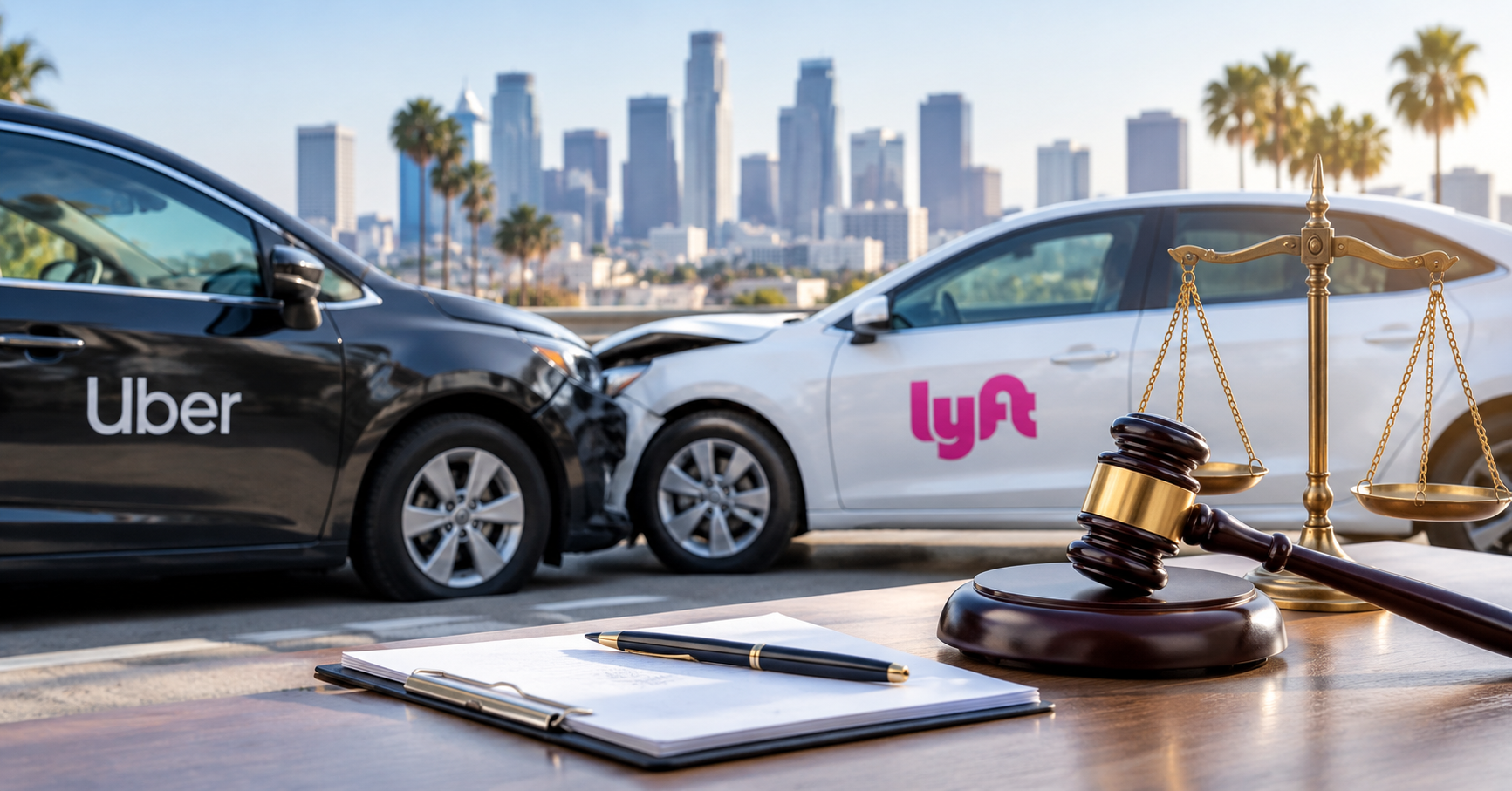
How California Law Applies to Uber and Lyft Accidents
Introduction
Uber and Lyft have made ridesharing a common way to travel throughout California. However, when an accident involves a rideshare vehicle, determining who is responsible for injuries and which insurance policy applies can be complicated. California law considers factors such as fault, the driver’s status on the rideshare app, and the circumstances of the collision when evaluating a potential claim.
Who Is Responsible for a Rideshare Accident?
Responsibility for an Uber or Lyft accident depends on how the collision occurred. A rideshare driver, another motorist, or multiple parties may share responsibility. For example, a driver who runs a red light or drives negligently may be held responsible for injuries caused by that conduct.
California follows a comparative negligence system. This means an injured person may still recover compensation even if they were partly responsible for the accident. However, their compensation may be reduced according to their share of fault.
In some cases, responsibility may extend beyond the drivers involved. The circumstances of the accident and the applicable legal rules determine whether a rideshare company or another party may also be held liable.
How Does Rideshare Insurance Work in California?
Insurance coverage for Uber and Lyft accidents generally depends on the driver’s activity at the time of the collision. California has specific insurance requirements for transportation network companies, and the available coverage can vary depending on whether the driver was waiting for a ride request, had accepted a trip, or was transporting a passenger.
When a driver is offline and not using the app for rideshare services, the driver’s personal auto insurance generally applies. When the driver is logged into the app and available for requests, limited rideshare-related coverage may be available, subject to applicable requirements and policy terms.
Once a driver accepts a ride request or is transporting a passenger, higher levels of liability coverage generally apply under California’s rideshare insurance framework. The precise coverage available may depend on the circumstances, the applicable policy, and the type of loss involved. Insurance companies may review app records, trip details, accident reports, and other evidence when evaluating a claim.
What Should Injured People Know About Filing a Claim?
After an Uber or Lyft accident, documenting the incident can help preserve important information. Relevant records may include photographs, witness contact details, medical records, police reports, and rideshare trip information. Prompt medical evaluation may also help document injuries and identify treatment needs.
An injured person may have a claim for losses such as medical expenses, lost income, and pain and suffering, depending on the facts and applicable law. California deadlines may limit how long someone has to bring a claim, and special rules may apply when a government entity is involved. Insurance coverage alone does not guarantee payment; liability and damages must be evaluated.
Conclusion
California law provides a framework for determining responsibility and insurance coverage after Uber and Lyft accidents, but each case depends on its specific facts. Understanding the driver’s status, available insurance, and potential sources of liability can help injured individuals make informed decisions about their next steps.
This article provides general information about California law and is not legal advice. Anyone injured in a rideshare accident should consider consulting a qualified California personal injury attorney to discuss their circumstances, potential claims, and applicable deadlines.