
California Personal Injury : What Evidence Is Important in Uber and Lyft Accidents

What Evidence Is Important in Uber and Lyft Accidents?
Introduction
Uber and Lyft accidents can involve multiple drivers, insurance policies, and questions about who is responsible for an injury. Evidence plays an important role in understanding how a collision occurred, establishing fault, and documenting the losses suffered by injured individuals. In California, preserving relevant information after a rideshare accident can help support an insurance claim or potential personal injury case.
Evidence That Helps Establish How the Accident Happened
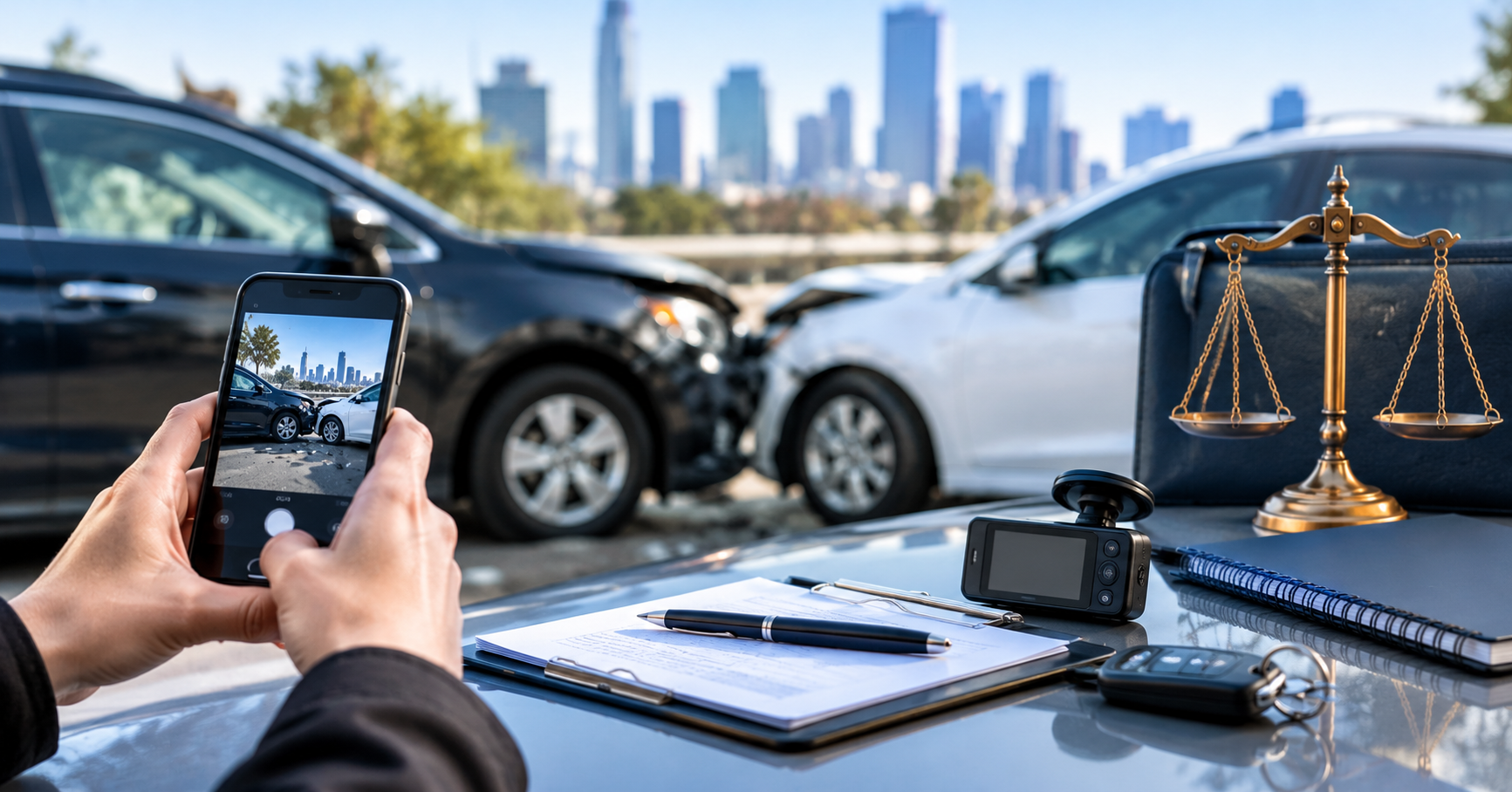
Photographs and videos can provide valuable information about a rideshare accident. Pictures of vehicle damage, road conditions, traffic signals, skid marks, and the surrounding area may help explain how the collision occurred. Dashcam footage and nearby surveillance recordings may also capture important details about the incident.
Police reports and witness statements can offer additional information. A police report may document the parties involved, the officer’s observations, and other details recorded at the scene. Witnesses who saw the collision may provide independent accounts that help clarify what happened. Although these records can be useful, no single piece of evidence necessarily determines who is legally responsible.
Rideshare app records are particularly important in Uber and Lyft accidents. Information showing whether the driver was offline, waiting for a ride request, traveling to pick up a passenger, or carrying a passenger may help identify which insurance coverage could apply. Trip confirmations, timestamps, and relevant communications may also help establish the driver’s status at the time of the crash.
Evidence of Injuries and Financial Losses
Medical records are important for documenting injuries sustained in a rideshare accident. Emergency room records, physician evaluations, diagnostic imaging, treatment notes, and rehabilitation records can help explain the nature and extent of an injury. Seeking appropriate medical care promptly can also help create a clear record of symptoms and treatment following the collision.
Financial documents may help establish the losses associated with an accident. Medical bills, pharmacy receipts, and records of other injury-related expenses can document certain costs. Pay statements, employer records, and other income documentation may help demonstrate lost wages when an injury prevents someone from working.
Evidence of pain, physical limitations, and changes to everyday activities may also be relevant when evaluating a claim. Keeping a personal record of symptoms, treatment experiences, and difficulties with routine tasks may help explain how the injury affects daily life.
Conclusion
Evidence can make an important difference when evaluating an Uber or Lyft accident claim in California. Photographs, witness accounts, rideshare records, medical documentation, and financial records may help establish responsibility and document damages. Preserving relevant information early can be beneficial, especially when evidence may be lost or become unavailable.
This article provides general information about California personal injury law and is not legal advice. Individuals involved in Uber or Lyft accidents should consult a qualified California personal injury attorney to discuss their specific circumstances, available evidence, and potential legal options.