
California Personal Injury : Common Mistakes That Can Hurt Hit-and-Run Accidents

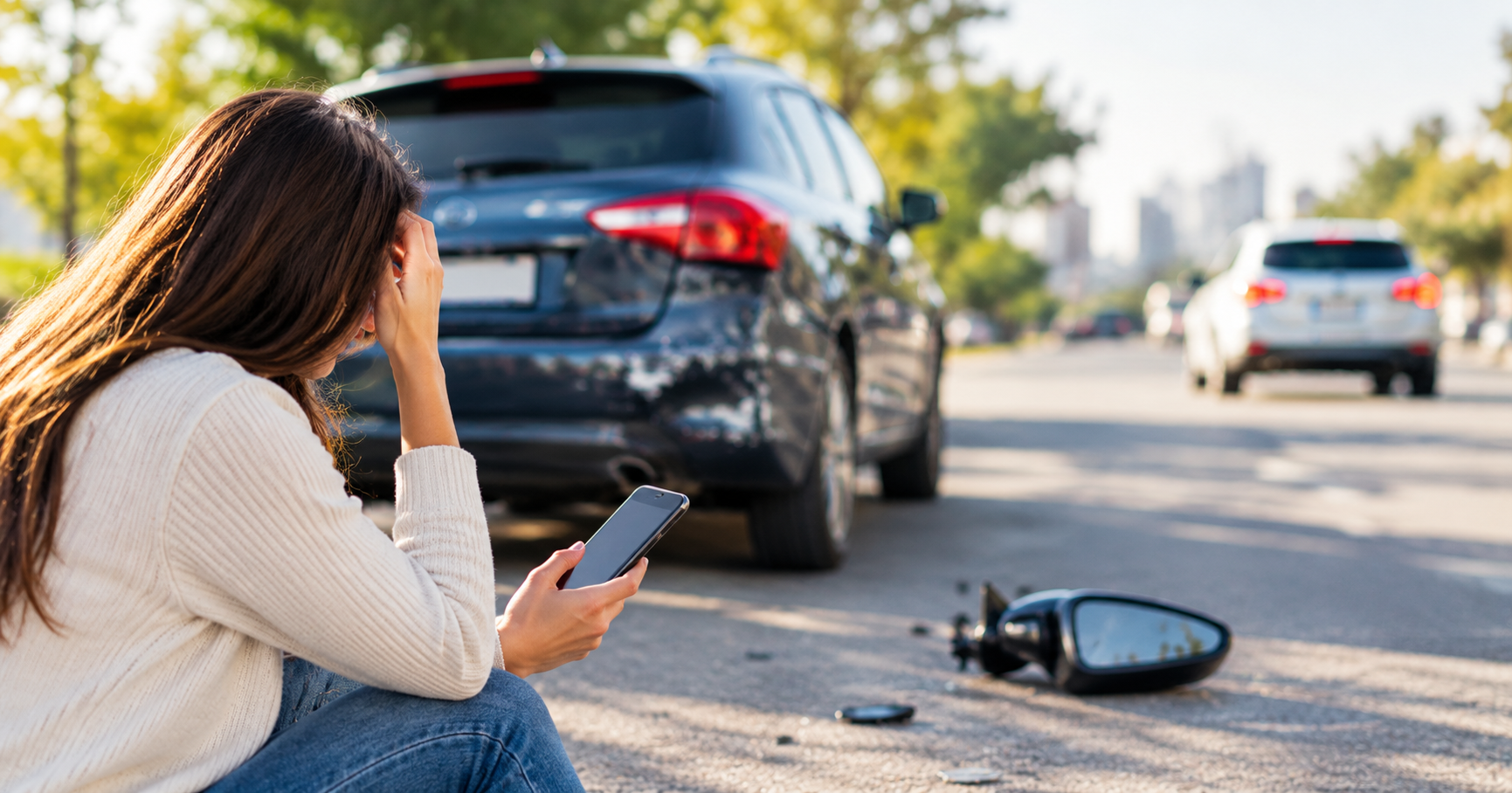
Common Mistakes That Can Hurt Hit-and-Run Accident Claims in California
Introduction
A hit-and-run accident can leave victims dealing with injuries, vehicle damage, unexpected expenses, and difficulty identifying the responsible driver. While pursuing compensation may be challenging, certain mistakes can make the process even more complicated. Understanding what to avoid after a hit-and-run in California can help protect important evidence, preserve potential insurance benefits, and reduce unnecessary delays.
Failing to Report the Accident or Preserve Evidence
One common mistake is delaying notification to law enforcement or an insurance company. Prompt reporting can help establish an official record of the incident and may assist investigators in identifying the driver who left the scene. California law also imposes reporting obligations in certain accidents, depending on the circumstances. Victims should understand which requirements apply to their situation.
Another mistake is failing to collect and preserve available evidence. Photographs of the accident scene, vehicle damage, visible injuries, debris, and nearby traffic cameras may help establish how the collision occurred. Witness names and contact information can also be valuable. If the responsible driver cannot be identified immediately, these details may become especially important to an insurance investigation.
Victims should also avoid assuming that the absence of an identified driver automatically means no compensation is available. Depending on the policy and circumstances, uninsured motorist coverage or other insurance benefits may provide assistance. However, coverage conditions and proof requirements can vary, making early documentation and careful review important.
Making Statements or Decisions That Complicate a Claim
Another potential mistake is delaying medical evaluation or disregarding recommended treatment. Some injuries may not be immediately apparent after a collision. Seeking appropriate medical attention helps address health concerns and creates records documenting the injuries and treatment received. Gaps in medical care may also raise questions during an insurance claim, although each situation is different.
Victims should be cautious when providing statements about the accident. Speculating about what happened, guessing the other vehicle’s speed, or making unsupported assumptions about fault can create confusion. It is generally better to describe only what they personally observed and to distinguish known facts from uncertainty. Accurate, consistent information can help investigators and insurers evaluate the incident.
Accepting an insurance settlement without understanding its terms may also be problematic. A settlement could affect the ability to seek additional compensation for the same losses. Before agreeing to a settlement or signing a release, victims should understand what claims and expenses the agreement covers. They should also pay attention to policy requirements and legal deadlines, which may differ depending on the type of claim.
Conclusion
Avoiding common mistakes after a hit-and-run accident can help protect evidence, clarify insurance options, and support a potential claim. Prompt reporting, appropriate medical care, and careful documentation are important steps toward understanding the available options.
This article provides general information about California law and is not legal advice. Every accident and insurance policy is different. Individuals affected by a hit-and-run should consider consulting a qualified California personal injury attorney to discuss their specific circumstances, potential recovery options, and applicable deadlines.