
California Personal Injury : Common Mistakes That Can Hurt Property Damage Claims

California Personal Injury: Common Mistakes That Can Hurt Property Damage Claims
Property damage after an accident can create unexpected expenses, from vehicle repairs to replacing damaged personal belongings. In California, recovering compensation may require evidence of the damage, information about how the incident occurred, and communication with insurance companies. Certain mistakes can make the claims process more difficult or lead to disputes over the amount payable. Understanding these common problems can help claimants protect their interests and make informed decisions.
Failing to Document Damage and Delaying the Claim
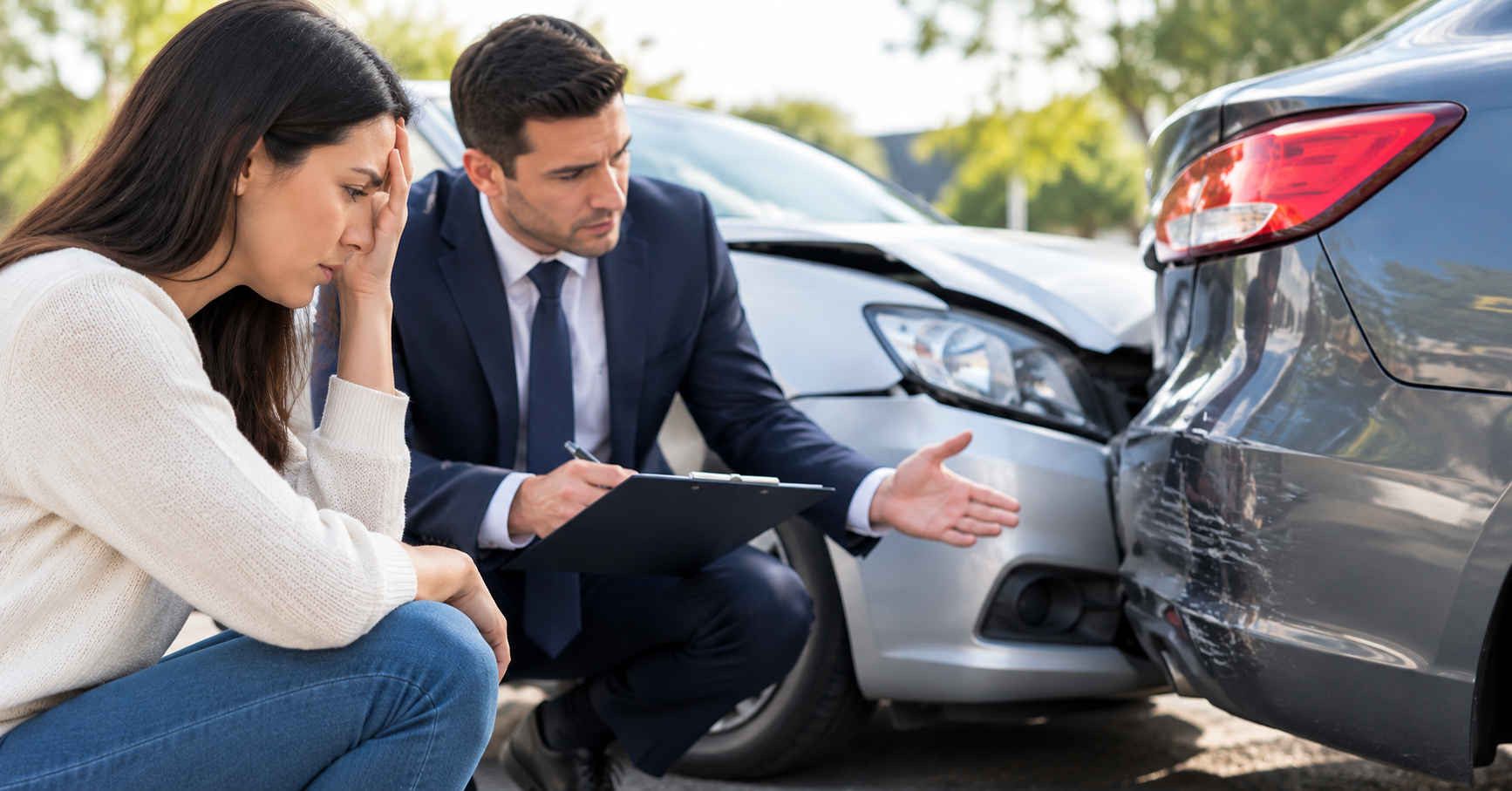
One common mistake is failing to gather enough evidence immediately after an accident. Photographs of damaged property, the accident scene, and relevant vehicle details can help establish what happened. Repair estimates, receipts, witness contact information, and correspondence with insurance companies may also support a claim. Without adequate documentation, it can be harder to demonstrate the extent of the loss or challenge an insurer’s assessment.
Another potential problem is delaying notification to the relevant insurance company. Policies may require prompt reporting and cooperation during an investigation. Waiting too long can make it more difficult to obtain evidence, arrange inspections, or resolve questions about the cause of the damage. Claimants should review their policy requirements and keep records of when and how they reported the incident.
Repairing or discarding damaged property before documenting it can also create complications. An insurer may want to inspect the vehicle or belongings before approving repairs or evaluating their value. When practical, take photographs and obtain estimates before authorizing significant repairs. Necessary steps to prevent further damage or address safety concerns should not be postponed simply to preserve evidence.
Accepting an Offer Too Quickly or Overlooking Deadlines
Accepting an insurance settlement without reviewing the valuation can be another costly mistake. A settlement offer may not account for all documented repair expenses or may use a vehicle valuation that the claimant believes is inaccurate. Review the insurer’s calculations, compare them with relevant estimates, and ask questions about unexplained differences before agreeing to a final settlement.
Claimants should also avoid assuming that every damaged item will be reimbursed at its original purchase price. Compensation may depend on the property’s condition, its value before the incident, reasonable repair costs, and applicable insurance terms. Clear documentation can help explain why a particular amount is being requested.
Finally, overlooking legal deadlines can affect the ability to pursue compensation. In California, a lawsuit for injury to personal property generally must be filed within two years, although exceptions and special rules may apply. Insurance policies can impose separate requirements, and claims involving government entities may follow different procedures. If liability is disputed or the loss is substantial, consulting an attorney early may help clarify the applicable deadlines and options.
Conclusion
Careful documentation, timely communication, and a thorough review of settlement offers can help reduce avoidable problems with property damage claims. If you have experienced property damage in California and are unsure how to proceed, consider consulting a qualified attorney about your individual circumstances.
Disclaimer: This article is intended for general informational purposes only and does not constitute legal advice. Applicable laws, insurance provisions, and deadlines depend on the circumstances of each claim. Consult an attorney for advice specific to your situation.