
California Personal Injury : What Evidence Is Important in Property Damage Claims

California Personal Injury: What Evidence Is Important in Property Damage Claims?
Property damage claims can arise after car accidents, collisions involving bicycles, or other incidents that damage vehicles and personal belongings. In California, supporting a claim often requires evidence showing how the damage occurred, who may be responsible, and the extent of the financial loss. Keeping accurate records from the beginning can help property owners respond to insurance company questions and support their request for compensation.
Evidence That Establishes How the Damage Occurred
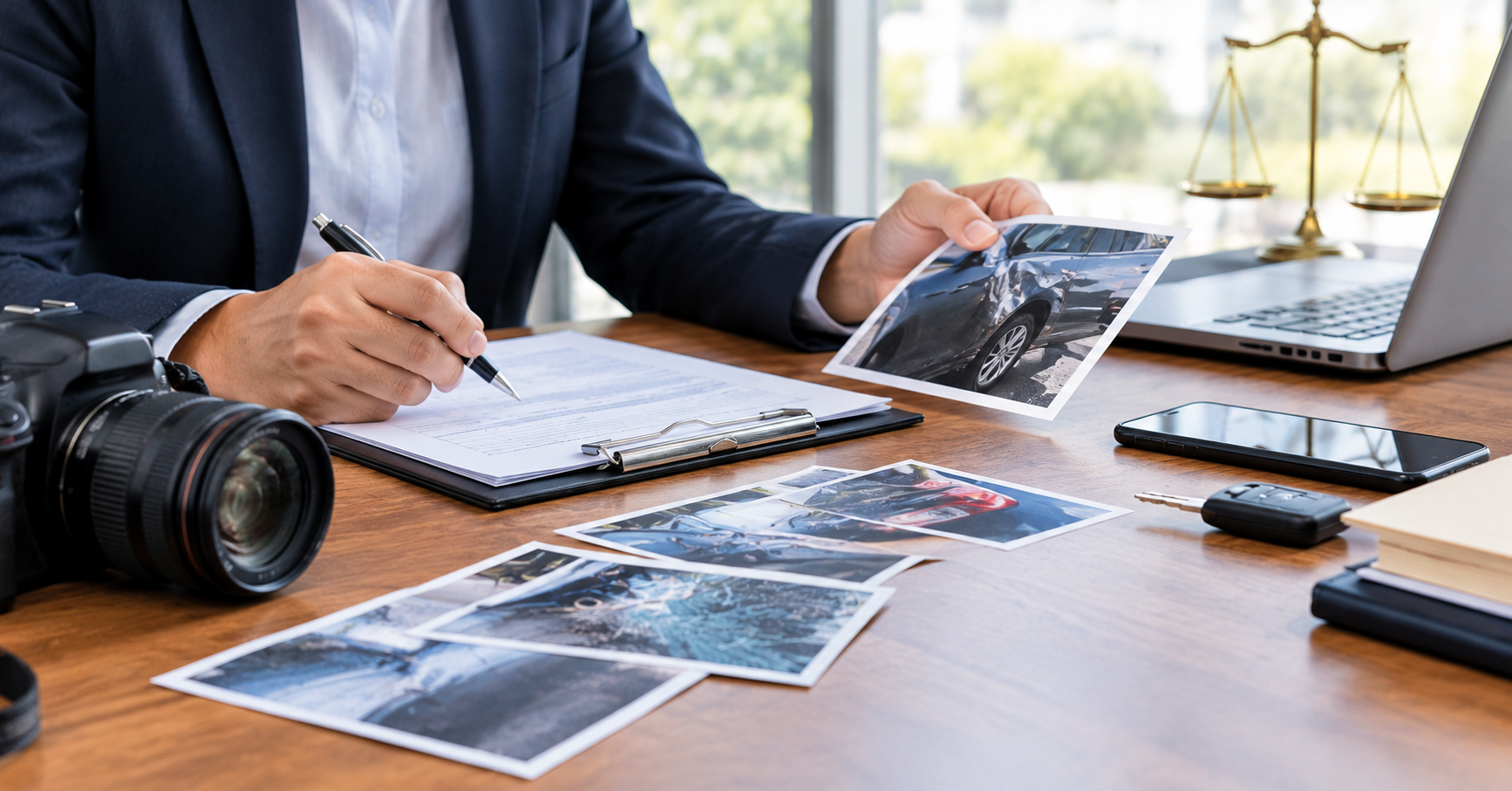
Photographs and videos are often valuable forms of evidence. Images of damaged property, the surrounding scene, road conditions, debris, and relevant vehicle positions may help explain what happened. When possible, take photographs from several angles before repairs begin, provided it is safe to do so.
Witness statements and accident reports can also help establish the circumstances of an incident. Witnesses may provide an independent account of what they observed, while a police report may contain information about the parties involved and the reported events. These records do not automatically determine legal responsibility, but they can contribute to an insurer’s investigation.
Other useful evidence may include dashcam footage, nearby security camera recordings, messages exchanged with the other party, and records identifying the vehicles or property involved. Because some recordings may be deleted or overwritten, it can be helpful to identify potential sources of footage promptly. Keep original files when possible and avoid altering photographs or videos that may be relevant to the claim.
Evidence That Documents the Value of the Loss
Repair estimates, invoices, and receipts help demonstrate the financial impact of property damage. For a damaged vehicle, an itemized estimate can explain the proposed repairs and their costs. If the vehicle is considered a total loss, valuation reports and information about its condition, mileage, and comparable vehicles may help assess its value before the incident.
Evidence is also important when personal belongings are damaged. Purchase receipts, photographs showing the item’s previous condition, warranties, and replacement estimates may help establish its value. Compensation is not necessarily equal to the original purchase price; the property’s condition, depreciation, reasonable repair costs, and applicable legal rules may affect the amount recoverable.
Keep organized copies of all documents and communications with insurance companies. If the insurer disputes the amount claimed, detailed records can help clarify the disagreement. Avoid discarding damaged property before documenting it or checking whether an inspection is required, unless safety concerns make immediate removal necessary.
Conclusion
Strong evidence can help clarify responsibility and support the amount requested in a property damage claim. Prompt documentation, organized financial records, and careful preservation of relevant materials can make the process easier to navigate. If you have a significant property damage claim or a dispute with an insurer in California, consider consulting a qualified attorney about your individual circumstances.
Disclaimer: This article is for general informational purposes only and does not constitute legal advice. The evidence needed and the rules governing compensation depend on the facts of each case. Consult an attorney for advice specific to your situation.