
Can You Transfer Your Immigrant Visa Interview to Another U.S. Consulate? — Fiancé Visas, Consular Processing and Family Petitions

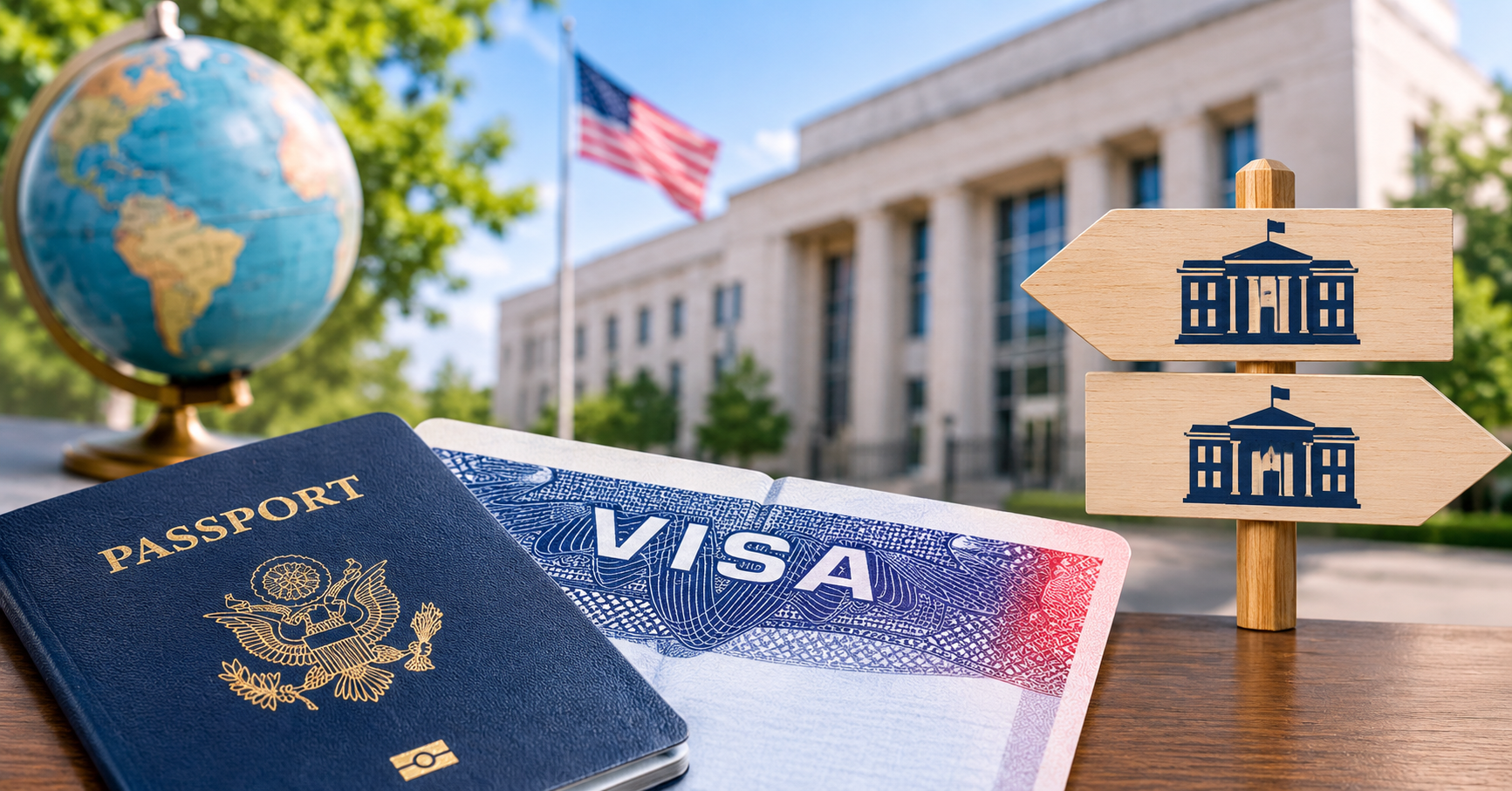
Can You Transfer Your Immigrant Visa Interview to Another U.S. Consulate? — Fiancé Visas, Consular Processing and Family Petitions
Introduction
If you are applying for a U.S. immigrant visa through family sponsorship or a fiancé visa, you may wonder whether you can move your interview to a different U.S. embassy or consulate. Changes in residence, employment, family circumstances, or travel plans can make attending the originally assigned location difficult. Although transferring an interview may be possible, approval is not automatic and depends on the consulate’s procedures and your individual circumstances.
When Can You Request an Interview Transfer?
U.S. immigrant visa interviews are generally scheduled at a U.S. embassy or consulate responsible for the applicant’s country of residence or another location where the applicant is eligible to apply. The National Visa Center (NVC) typically assigns an interview location based on the applicant’s circumstances and applicable consular processing procedures.
You may have reasons to request a different interview location. For example, you might relocate permanently to another country, change your country of residence for employment, or face circumstances that make traveling to the originally assigned consulate difficult.
However, simply preferring another embassy because it has a shorter waiting period does not guarantee that your request will be accepted. The receiving consulate must be able to process your case and may consider local residency requirements, available resources, and its policies for accepting applicants from other countries.
How Does the Transfer Process Work?
If your case is still at the National Visa Center, you can submit a request through the appropriate NVC communication channel, explaining why you want the interview location changed. You may be asked to provide evidence of your new residence or other supporting documentation.
If your interview has already been scheduled, you may need to contact the embassy or consulate handling your case and follow its instructions. Depending on the circumstances, the existing appointment may need to be canceled or released before another location can schedule an interview. This can result in additional waiting time.
Applicants should also consider whether their medical examination, police certificates, and other supporting documents will remain acceptable after a transfer. Requirements and procedures can differ between consular posts.
For fiancé visa applicants (K-1), the process may involve different procedures because the K-1 is a nonimmigrant visa with an immigrant-related purpose. Applicants should confirm the correct transfer procedure with the embassy or consulate handling their petition.
Conclusion
Transferring a U.S. visa interview to another consulate may be possible, but it requires proper coordination and approval. Before requesting a change, consider the potential impact on processing time, documentation, and appointment availability.
This article provides general information and is not legal advice. Immigration procedures depend on individual circumstances and may change. Applicants should consult an experienced U.S. immigration attorney to understand their options and determine the appropriate steps for their specific case.